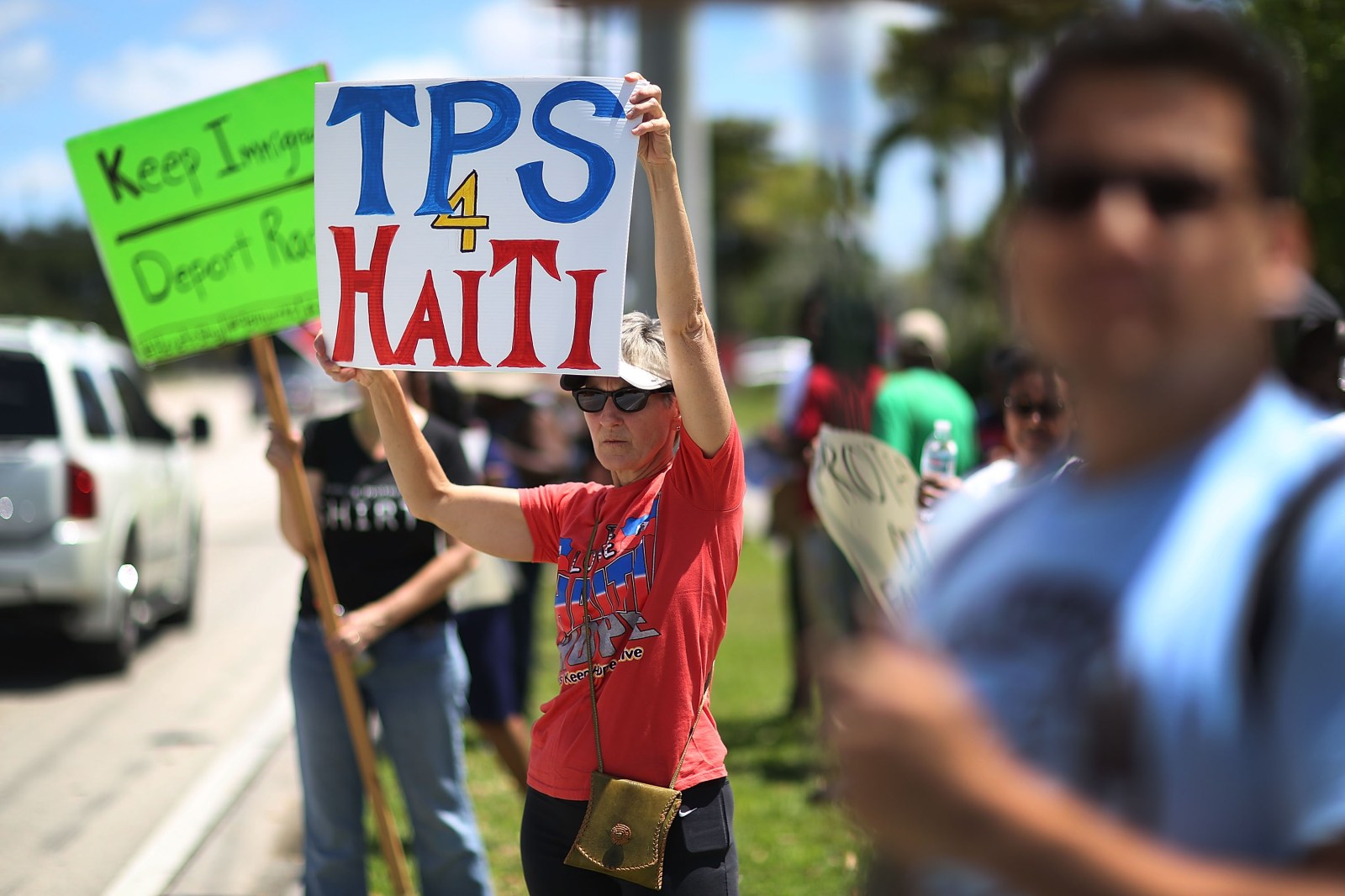
Impact of Expiring Temporary Protected Status for Haitians
Temporary Protected Status (TPS) for Haitians is set to expire soon, with significant ramifications for communities, especially in Florida. The state has the largest number of affected individuals, with an estimated 158,000 Haitians relying on the protection. New York follows with around 40,000, and Massachusetts has about 19,000.
The Supreme Court’s decision supports ending deportation protections and work permits for Haitians under TPS. This change could affect over 300,000 people. Losing TPS means those affected might become vulnerable to deportation if they don’t qualify for another immigration status.
Role of the Department of Homeland Security
The Department of Homeland Security maintains that TPS was meant to be temporary. The department’s review concluded that Haiti no longer meets the necessary conditions for TPS designation. Nationals from countries hit by conflict or disasters can stay and work under TPS, yet it does not lead to permanent residency or citizenship.
Economic Consequences
The economic impact is evident in states with large Haitian populations. The advocacy group FWD.us reports that Haitian TPS holders contribute approximately $5.9 billion annually to the U.S. economy. They pay about $805 million in federal taxes and $755 million in state and local taxes.
Florida hosts around 93,000 Haitian TPS workers. Their contributions to the state economy are valued at roughly $2.6 billion annually. In New York, 25,000 Haitian TPS workers generate approximately $863 million each year, and Massachusetts sees contributions of around $481 million from 10,000 workers.
Concerns Over Economic Impact
Advocates, lawmakers, and business leaders express concerns over potential economic hardships if TPS ends. The Miami region could lose $1.5 billion without Haitian contributions, and other areas like New York and Boston might also face financial losses.
Industry-specific impacts might vary, with healthcare potentially suffering the most. Florida’s aging population means increased demand for workers in this sector. Other industries like agriculture and hospitality could also experience disruptions.
Responses from the Trump Administration
The Trump administration backs the decision to end TPS protections. DHS General Counsel James Percival emphasized that migrants near the end of their TPS designation might consider voluntary departure. He mentioned a $2,600 return program and a free flight home as incentives.
While some lawmakers seek a permanent solution for TPS holders, such as the American Dream and Promise Act, legislative progress is slow. A discharge petition in the House aims to force a vote on this pathway to legal status.
Concerns of Increased Deportations
Amid Haiti’s instability, many fear increased deportations. Immigration and Customs Enforcement (ICE) plans to step up enforcement once TPS expires. Reports mention possible arrests in Ohio and deportation flights to Haiti.
Critics argue these plans target ethnic groups and note that TPS recipients undergo rigorous security checks. The 2024 presidential campaign further highlighted tensions with allegations against Haitian migrants.
Legislative Developments
Efforts to extend TPS for Haitians have seen mixed success. The House passed a bill to extend it for three years by a 224-204 vote, despite House leadership bypassing it. However, the Senate did not approve the measure, and it did not become law.
Leave a Reply