In Santiago, Chile, a unique musical phenomenon is unfolding. The long, cold winter has brought an air of anticipation to Chile’s capital as the global K-pop sensation, BTS, is set to arrive this October as part of their world tour. They have already performed to sold-out audiences in Mexico, with additional shows scheduled in Colombia, Peru, Argentina, and Brazil. The demand has been so immense that Mexico’s President Claudia Sheinbaum reached out to South Korean officials to potentially add more dates for BTS’s performances.
The influence of Korean culture, known globally as Hallyu or the “Korean wave,” began its ascent in the 1990s. This cultural movement transformed Korean music, dramas, cuisine, and beauty trends into mainstream culture across Latin America. In Chile, young people are not just consuming this wave; they are adapting it to create something distinctly their own.
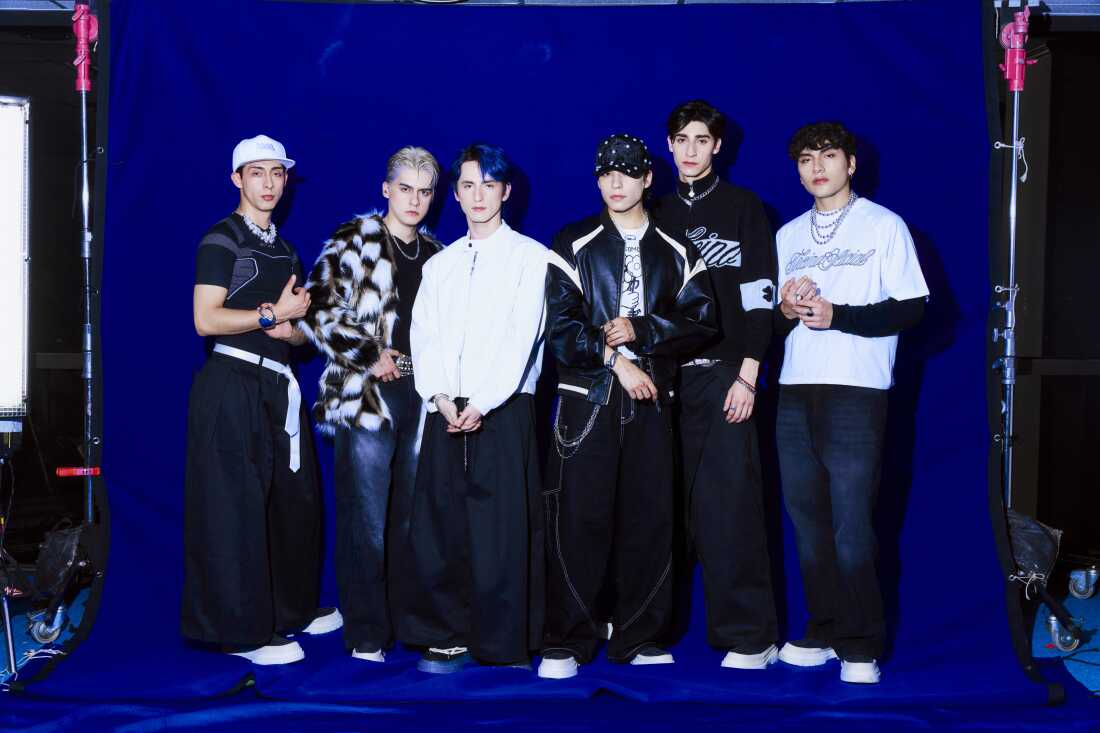
Q_ARE, a boy band of six members, has emerged as a testament to this cultural exchange. Drawing inspiration from K-pop’s energetic music, dynamic choreography, and colorful aesthetics, Q_ARE infuses their songs with lyrics in English, Spanish, and Chilean slang. Their videos feature retro video game elements, vibrant scene transitions, and bold makeup styles, earning them a substantial following.
The band members — Seba, Jamin, Jota, Bin, Aiden, and Fabi — came together after answering an online casting call and undergoing an intense audition and training process. Since debuting with their single “Try Again” in 2024, they’ve managed their own production, from songwriting to choreography, aesthetics, and video design. Their fan base, known as the “Qniverse,” includes members from across the globe.
Q_ARE has even toured Brazil and performed in various venues in Chile. Bin, a rapper and dancer in the group, shares their growing international fan base, citing countries like Singapore, Japan, Peru, Mexico, the United States, and Costa Rica.
Chilean fans often take the initiative to explain Chilean slang in the group’s lyrics to other Latin American audiences. The lure of Korean culture has engulfed Chile, reflected in the rise of Korean restaurants in Santiago’s Patronato neighborhood, many owned by Chileans tapping into the cultural trend.
Valeria Vivar’s experience illustrates this shift. Her connection to Korea began with an interest in anime and Asian cultures. Now, she coordinates the Rey Sejong Institute in Santiago, a cultural institution backed by the Korean government. The institute, which now has about 200 students learning Korean, offers courses including a master’s program in Korean Studies.
As interest in Korean culture gains momentum in Chile, Q_ARE sees this as an opportunity to innovate. Fabi believes Asian culture is advanced in the arts, which is beneficial for Chilean artists aiming to create something new. The emergence of more Chilean boy and girl bands highlights the growing influence and adaptation of K-pop in Chile.
Leave a Reply