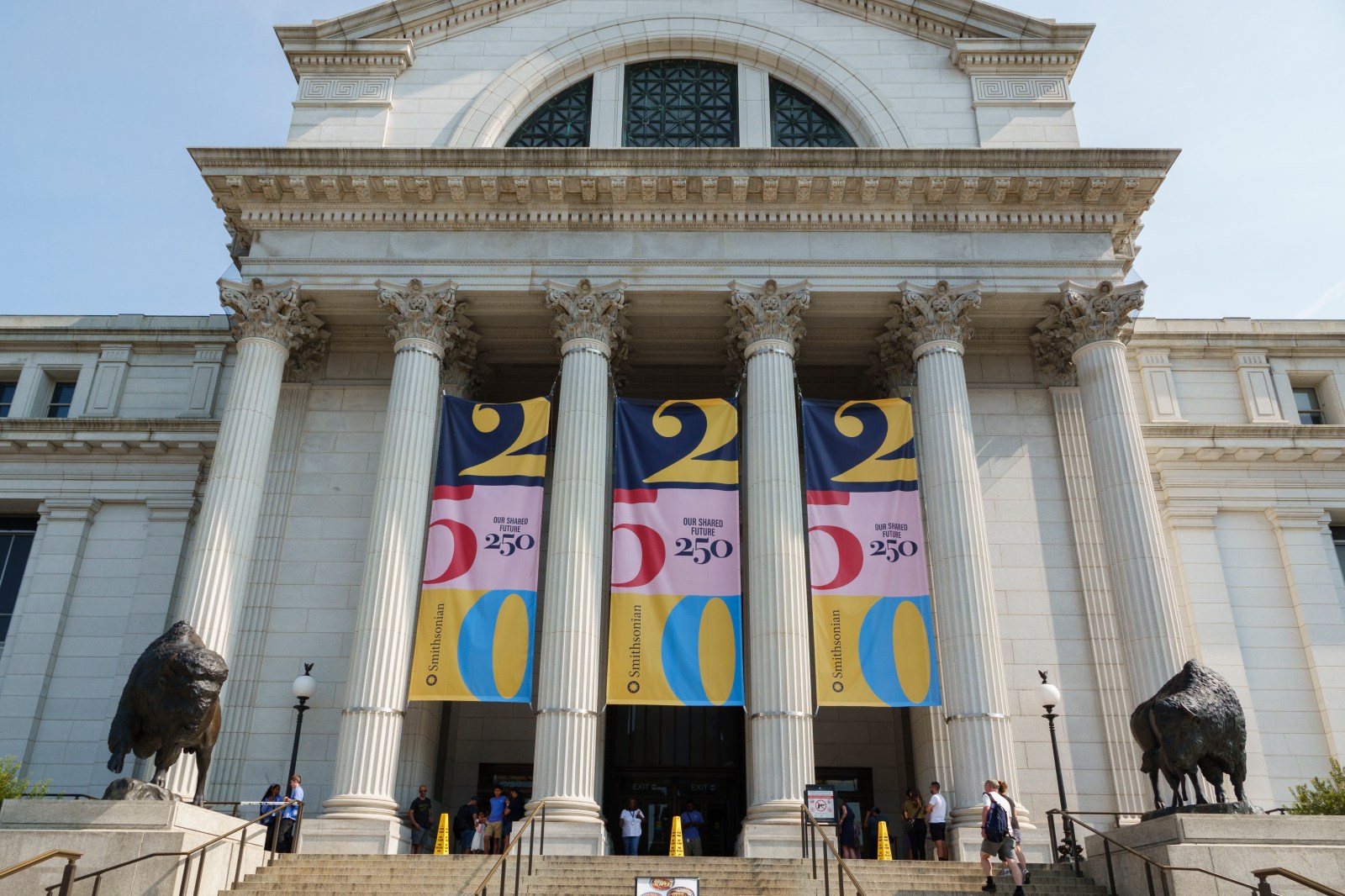
The Smithsonian is the largest museum, education, and research complex globally. It welcomes visitors from all states and countries, free of charge. Established over generations, it remains a cherished attraction in Washington, drawing many to its doors. Despite America’s relatively young age compared to ancient civilizations, its history is exceptional. The Smithsonian is where history comes alive for many Americans.
The National Museum of American History (NMAH) is particularly significant. As a child, visiting NMAH was thrilling, a place filled with stories and artifacts. As a parent, ensuring children experience and learn from America’s rich history became important. America has experienced both hard lessons and remarkable achievements. It stands as a bright beacon of hope and liberty in history.
Approaching America’s 250th anniversary, expectations for celebrations at the museum are high. The Smithsonian has the potential to showcase artifacts and exhibits that tell America’s founding story and its rise to greatness. However, current visitors encounter a narrative that presents an oppressor/oppressed view of history. This stance has stirred discussions about the institution’s current direction.
Recent developments highlight these shifts. The Smithsonian’s leadership, notably Director Anthea Hartig, argues for expanding the scope of U.S. history. Hartig suggests including the entirety of the Americas in historical narratives. She has stated that the museum should move away from an “America First” mentality. This perspective sees a broader view of history beyond American borders.
The institution’s approach includes a Center for Restorative History. This center aims to address historical exclusions and apply restorative justice principles. The museum also offers resources on topics like “white supremacy culture,” touching on themes such as the nuclear family and traditional work ethics.
The “Girlhood (it’s complicated)” exhibit is an example of the evolving focus. It includes a biological male in a space for women and girls, alongside themes like gun control and immigration. The Smithsonian holds significant women’s history artifacts. The popular “First Ladies” exhibit illustrates this value, though the current direction prioritizes modern political issues.
This change stems from a bureaucratic mandate at NMAH. Every exhibit now addresses core issues like race and identity, gender and sexuality, and economic inequality. This approach aligns more with a legislative agenda than traditional historical education.
The museum’s role should inspire Americans, particularly younger generations, to contribute to national progress. While history is complex, understanding both triumphs and challenges is essential. Spiraling resentment over heritage is detrimental to preservation.
The Smithsonian is taxpayer-funded and should not promote political agendas. The museum’s purpose is to preserve American history, not apologize for it. Preserving historical integrity is crucial, avoiding a distortion of truth. The Smithsonian’s mission remains to educate and engage, without rewriting history to fit current narratives.
Representative Michael Cloud serves Texas’s 27th Congressional District. The views expressed in this article are the writer’s own.
Leave a Reply