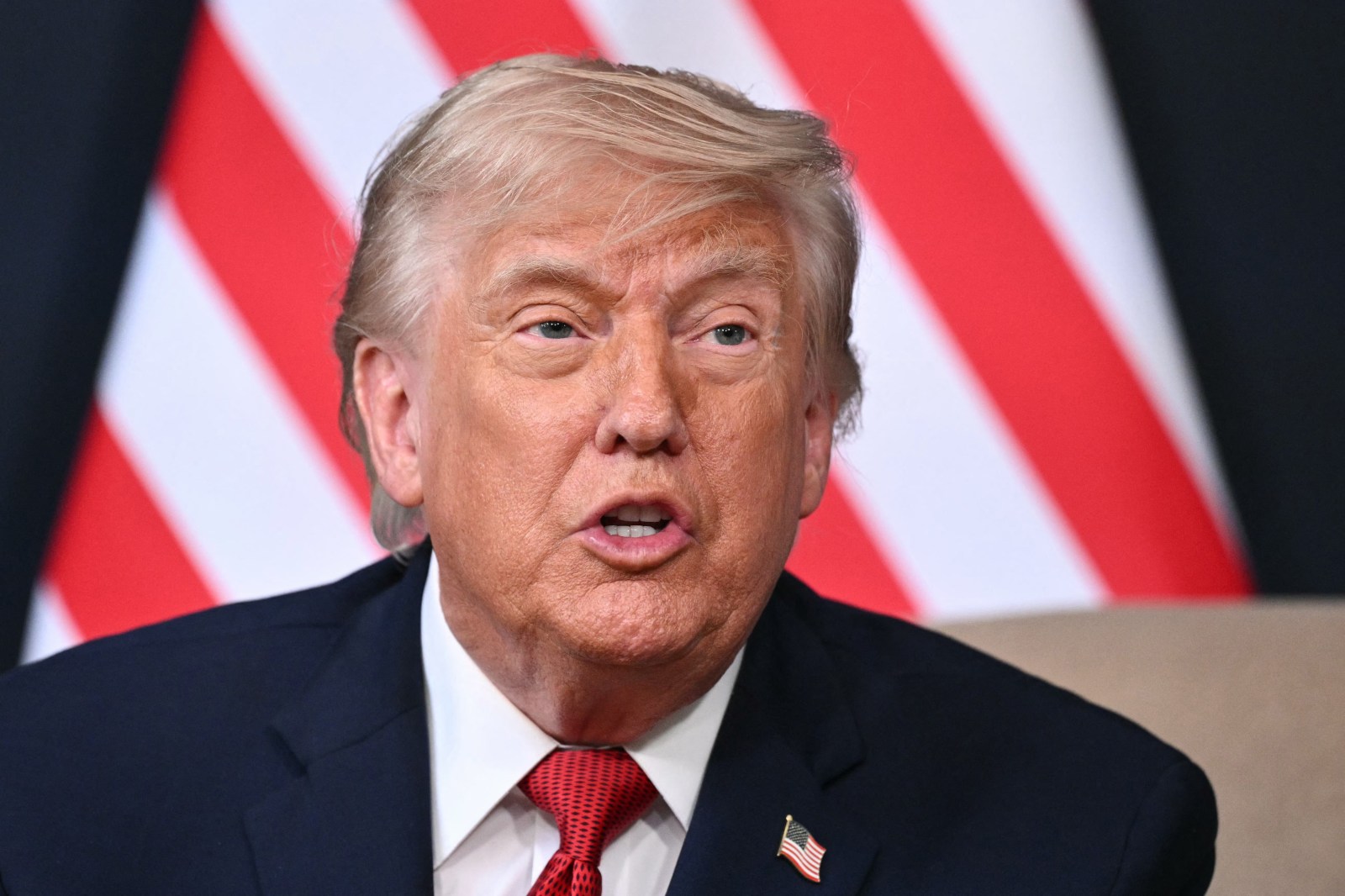
President Donald Trump faces ongoing clashes with Senate Republicans, resulting in self-imposed hurdles that slow his legislative agenda. Analysts have noted this pattern impacts his effectiveness on Capitol Hill.
Recently, Trump announced a delay in the nomination of Jay Clayton for Director of National Intelligence (DNI). He conditions Clayton’s advancement on the approval of his pick for US attorney for the Southern District of New York, Jamie McDonald. This decision keeps acting DNI Bill Pulte in position, complicating a potential bipartisan deal to reauthorize FISA Section 702, which recently expired.
This maneuver reflects Trump’s interference with his legislative priorities. Actions such as the attempted anti-weaponization fund and the DOJ probe into former Federal Reserve Chair Jerome Powell have strained his relationship with Senate Republicans, slowing legislative progress.
Election Pressures and GOP Unity
As the midterms draw closer, Trump and Republicans face pressure to pass parts of his agenda. With forecasts favoring a Democratic takeover of the House of Representatives and a competitive Senate race, Trump’s agenda risks being stalled if Republicans lose control.
Mark Rozell, Dean of the Schar School of Policy and Government at George Mason University, suggests growing fractures within GOP unity. He warns against a potential scenario where Republicans, if they lose legislative power, will focus more on their political survival than on supporting Trump’s policies.
Challenges with Nominations and Security Concerns
Trump’s decision to place a hold on Clayton’s nomination affects his administration’s agenda. Pulte, who lacks experience in national security, remains controversial as acting DNI, drawing bipartisan criticism. Democrats, opposed to renewing FISA Section 702 with Pulte in office, argue his unsuitability raises risks to national defense.
“Bill Pulte’s lack of security experience makes him dangerous in the role,” House Democratic Leader Hakeem Jeffries expressed discontent.
FISA Section 702 allows intelligence agents to collect foreign electronic communications. Its opposition centers on privacy concerns, fearing misuse for unwarranted surveillance on Americans. Trump’s handling of FISA and nominations exemplifies a governance style focused on exerting forceful control over legislative dynamics.
Reactions from Senate Republicans
Senator Richard Blumenthal condemns Trump’s actions as chaotic, endangering national security. While Senator Rand Paul provided no comment, Democratic Senator Chris Coons affirmed Pulte’s lack of fit for DNI.
Senator Tom Cotton criticized the postponement of the confirmation hearing, praising Jay Clayton’s qualifications. Majority Leader John Thune expressed similar concerns over Trump’s strategy in blocking the hearing.
Impact on Trump’s Agenda and Senate Relations
Recent political maneuvers have heightened tensions between Trump’s administration and the Senate. Past retreats in policy battles have chipped away at Republican partnerships, further delaying key nominations.
The DOJ and Jerome Powell
The DOJ inquiry into Jerome Powell added complications, as GOP Senator Thom Tillis withheld support for a key nomination due to independence concerns in the DOJ’s actions. Eventually, the DOJ ceased pursuing Powell, placing Warsh’s nomination back on track.
The Anti-Weaponization Fund Debate
Trump’s DOJ presented a fund to compensate those feeling unjustly targeted by government investigations. Bipartisan criticism arose over potential misuse. Acting Attorney General Todd Blanche’s confirmation faced challenges due to this controversial proposal.
Senate’s Stance on Trump’s Strategy
Rozell highlights a subtle shift among some Republicans distancing from Trump’s agenda amid electoral pressures. Todd Belt reminds of Trump’s influence within the GOP, noting his voter base overlap with Republican constituents. Yet, Belt foresees potential tensions in Trump’s relationship with Senate Leader Thune over legislative disagreements.
Trump’s influence has reportedly declined, with voters and senators indicating mixed allegiance as criticism mounts. Declines in Trump’s approval ratings amidst economic strains and foreign policy entanglements contribute to this evolving political landscape.
With congressional seats at risk, Trump’s approach to political strategy tests Republican unity. While some legislators remain uncertain, others openly defy his policies without electoral fear.
Future Implications
The impact of Trump delaying Clayton’s nomination adds uncertainty around how Congress will proceed during this politically sensitive period. The looming midterms, paired with probes into the president’s decisions, signal a challenging path forward for the Republican party.
As Rozell suggests, the latter half of Trump’s term presents heightened difficulties for Republicans, as Democrats might wield increased power to counter his legislative aims.
Leave a Reply