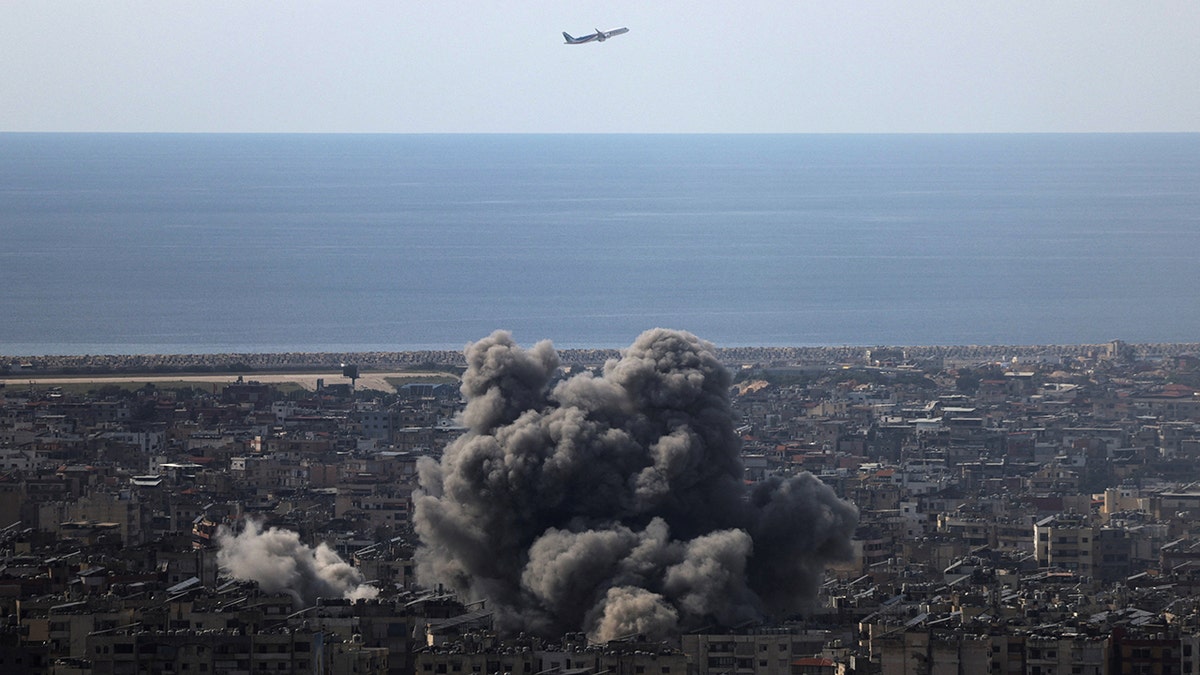
A ceasefire backed by the United States between Israel and the Hezbollah, a group backed by Iran, was planned to begin Friday afternoon. This move comes as Washington aims to negotiate a wider framework with Iran following the sudden postponement of talks that were supposed to happen in Switzerland.
The ceasefire was scheduled to commence at 9 a.m. Eastern Time or 4 p.m. local time, according to senior U.S. and Israeli officials. However, clarity on whether the ceasefire officially started is lacking. The White House hasn’t made a public statement on its status.
A Hezbollah representative stated to Fox News Digital that the group would adhere to the ceasefire if Israel follows suit but emphasized their right to retaliate if violated. They claimed the ceasefire had not yet commenced due to ongoing Israeli strikes in southern Lebanon beyond the agreed start time.
Israel’s Position and Recent Tensions
Prime Minister Benjamin Netanyahu shared a video after the ceasefire’s supposed start time. He claimed it showed Israeli Defense Forces (IDF) targeting Hezbollah sites in Lebanon. The exact timing of these strikes remains unconfirmed by Fox News Digital.
Netanyahu stated, “As I instructed, the IDF struck powerfully 150 Hezbollah targets in Lebanon and eliminated dozens of terrorists,” posting this on social media.
IDF spokesperson Effie Defrin confirmed that Hezbollah killed four Israeli soldiers during night-time strikes on Friday.
An Israeli official expressed Israel’s readiness to honor the ceasefire. They stated, “If Hezbollah doesn’t shoot, we won’t shoot. If they shoot — we will respond.”
Delay in U.S.-Iran Talks
The ceasefire agreement coincided with postponed U.S.-Iran negotiations initially set for the weekend in Switzerland. The White House has not disclosed why the talks were delayed.
Former President Trump voiced growing frustration over Netanyahu’s approach to the Hezbollah conflict. Speaking at the G7 conference in France, Trump urged more responsible actions concerning Lebanon, highlighting the civilian risks involved in military operations.
Hezbollah: Background and Current Conflict
Hezbollah, identified by the U.S. as a foreign terrorist organization, originates from Lebanon as an Iran-backed Shiite group. Its longstanding conflict with Israel has recently involved Hezbollah’s use of rockets and drones against Israel, prompting Israeli defensive strikes.
Amid the tensions, Vice President’s office clarified that the upcoming technical talks between the U.S. and Iran remain unfinalized. A White House representative stated preparedness for the delegation’s immediate departure, though logistical challenges persist.
Situation in the Strait of Hormuz
Reports indicated that Iran had closed the strategic Strait of Hormuz, which Iran’s foreign ministry denied. They assured that necessary steps were taken for secure commercial shipping, per the 1405 Memorandum of Understanding on the war’s end.
An Iranian official explained that current strait traffic is “slow” due to mine-clearing operations.
Details of the U.S.-Iran Memorandum
The U.S. termed the memorandum a 60-day framework aimed primarily at Iran’s nuclear program. Any U.S. military withdrawal from Iran’s vicinity would rely on achieving a final agreement, not the initial memorandum.
The memorandum also called for “immediate and permanent cessation of military operations on all fronts, including in Lebanon.” It entailed oil sanctions waivers for Iran, a halt of Iranian threats to the Strait of Hormuz, and outlined nuclear program negotiations.
Requests for further comments from relevant authorities including the Pentagon, Israel’s Prime Minister’s Office, and the Iranian Foreign Ministry remain unanswered as of this release.
Leave a Reply