Ukraine’s Defense Dilemma
Volodymyr Zelensky recently claimed that Donald Trump agreed to allow Ukraine to produce U.S.-designed Patriot air defense systems. This claim remains unconfirmed by the White House, and even with a formal license, the effectiveness may come too late. Vladimir Putin’s defense industry is rapidly increasing the production of missiles and drones, presenting a pressing threat to Ukraine’s air defenses.
Moscow’s forces fired 587 ballistic missiles in the first seven months of this year, surpassing the total for all of 2025. Russia has increased the deployment of jet-powered drones, with 76 of 170 drones on September 27 being jet-powered. Zelensky revealed that Ukraine’s air defenses intercept only 55 percent of these drones. This data suggests that approximately 70 drones could penetrate Ukrainian defenses within two nights.
Ukraine’s Response
With the current situation, Ukraine’s armed forces cannot rely solely on promises from abroad. Over the weekend, the General Staff prioritized targeting missile and drone launch sites to prevent their deployment.
Seeking Patriot Solutions
On September 22, Zelensky discussed manufacturing Patriot interceptors in Ukraine during a meeting at the United Nations General Assembly in New York. Despite claims of Trump granting licenses, Kyiv faces numerous challenges ahead. While Zelensky noted Ukraine’s progress in intercepting cruise missiles and conventional drones, Patriots are still essential against ballistic missiles.
The Patriot system is complex and costly. The U.S. Army’s contract for 870 PAC-3 MSE interceptors in 2024 is valued at $4.5 billion. Lockheed Martin’s PAC-3 ACE variant, albeit cheaper, still costs over $1 million per unit. Implementing domestic production could take up to 18 months, according to Zelensky.
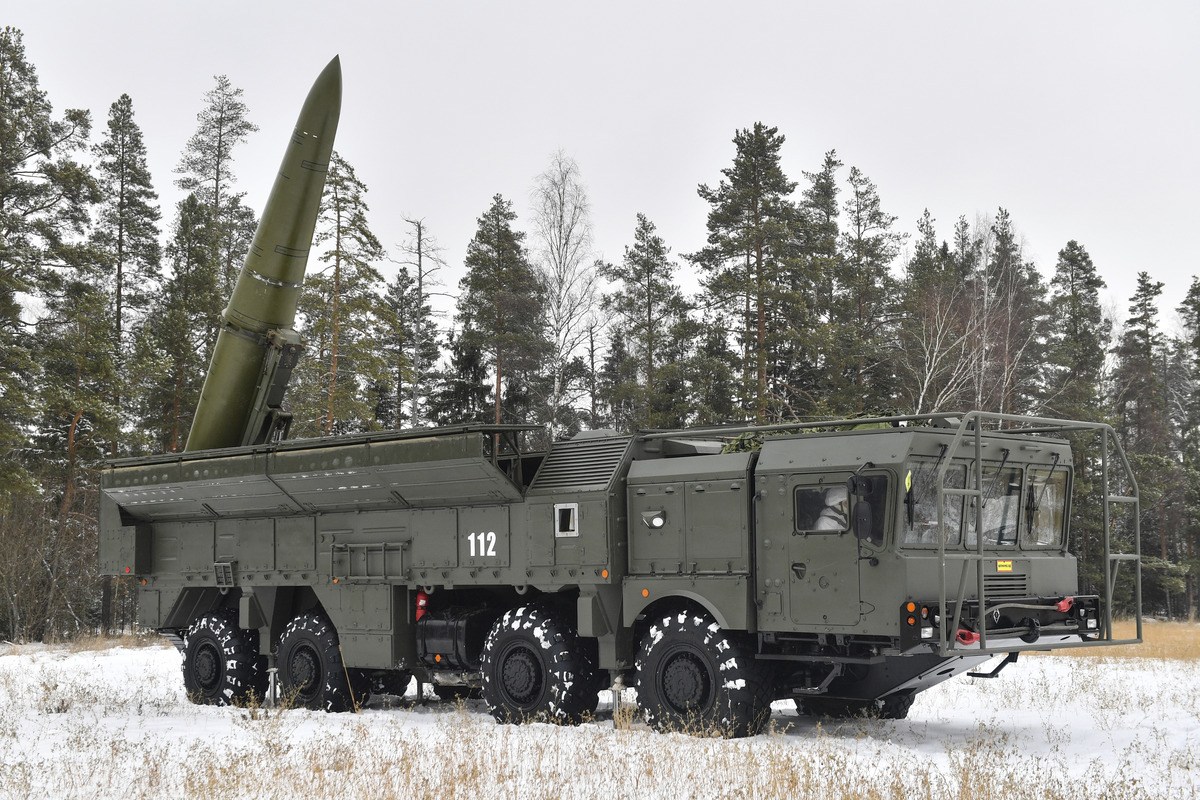
The pan-European FREYJA program may offer an anti-ballistic missile system, but its prototype won’t arrive for several months. Meanwhile, Russian intelligence reports indicate Moscow produces 55 to 60 Iskander-M ballistic missiles monthly, with up to 50 RM-48Us being repurposed for offense.
Challenges and Developments
Patriot systems offer defense against ballistic threats, but their cost prohibits usage against the high volume of drones. Russia scales its drone production with alarming speed—launching 350 in June, 1,500 in July, and 2,850 in August. Zelensky stated more than 2,730 drones were launched in September alone.
Initially, the Geran-3 drones were simple adaptations, but Russia now produces purpose-designed Geran-4 and Geran-5 variants, both featuring increased speed and payload, along with advanced targeting systems. Ukraine’s interception of these drones must improve beyond 50 percent effectiveness.
Strategic Offensives
As Ukraine develops faster interceptors, it must also destroy missiles and drones before they launch. Recent strikes targeted missile and drone production facilities in occupied territories and across Russian borders. Attacks in September damaged launch pads and inhibited missile production.
On September 17, Ukrainian forces targeted Russian S-400 launchers. Later, they struck a UAV site near Sievierodonetsk and a Russian complex in Oryol, damaging equipment and warehouses. By September’s end, Ukrainian offensives hit Russian plants crucial for missile production.
Ukraine’s military strategy now focuses on preventative strikes against missile and drone infrastructure. This approach aims to extend defense from the skies over Kyiv to locations originating these threats.
Leave a Reply