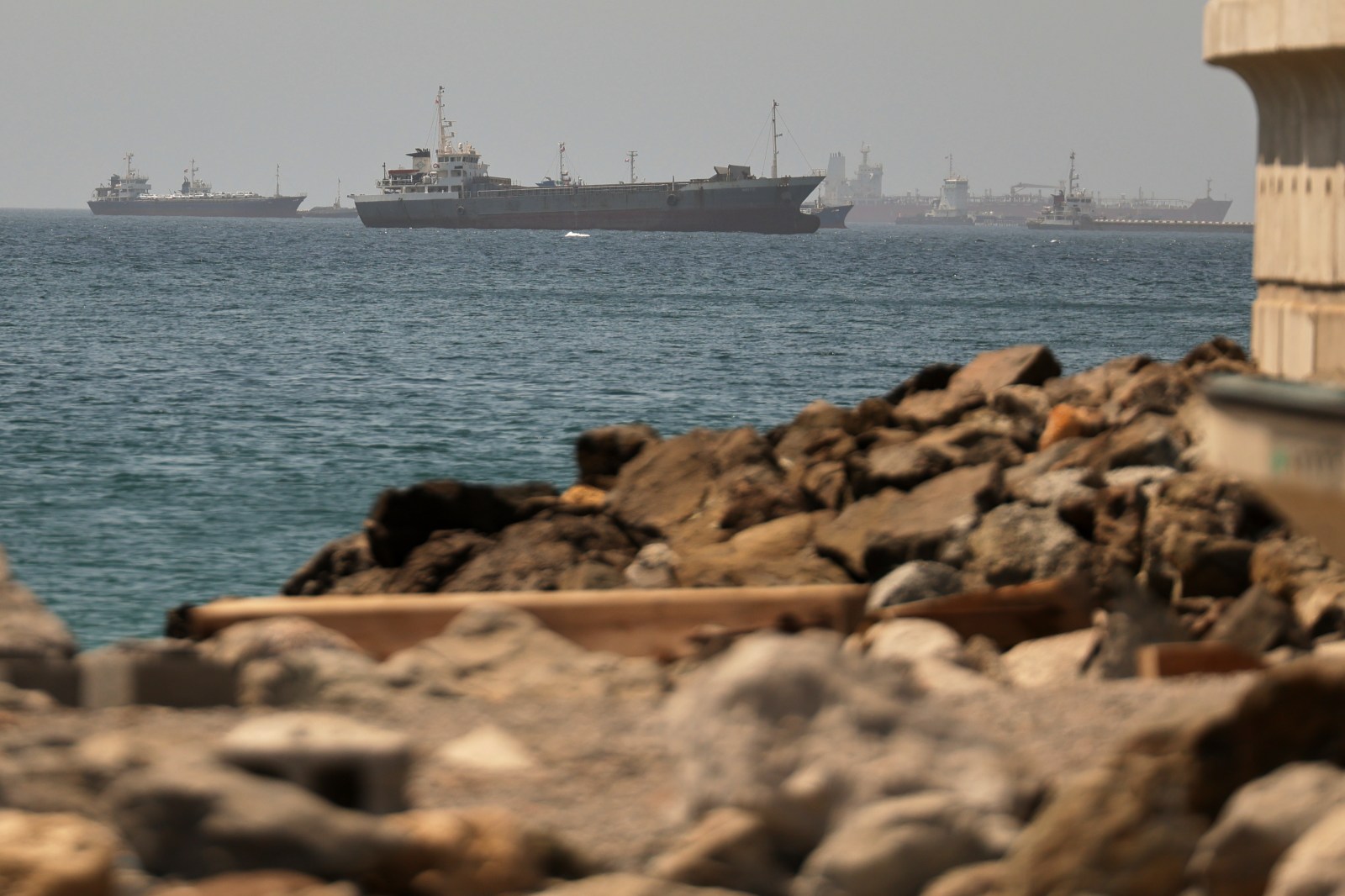
A temporary 60-day ceasefire brokered between the United States and Iran has momentarily reopened the Strait of Hormuz. However, conflicting claims over tolls, security enforcement, and long-term authority deepen uncertainty about the future of this vital oil transport passage. The interim agreement aims to stabilize global energy markets after months of conflict and includes a 60-day window for negotiators to discuss a broader deal, halt active hostilities, and requires the U.S. to lift its naval blockade of Iranian ports.
Conflicting Reports on Maritime Traffic
Over the weekend, conflicting reports emerged about the strait’s operational status. Open-source intelligence monitors noted brief disruptions, including the tanker Starbound Explorer turning back in Iranian waters and the container ship MSC Qingdao reversing course before continuing via Omani waters.
U.S. officials downplayed shutdown reports, asserting that shipping lanes remain clear and heavily transited. “Yesterday, 67 ships went through the Strait of Hormuz. The day before, it was 55 ships,” Energy Secretary Chris Wright said Sunday on Fox News, highlighting that oil and oil product transit levels remain consistent with those pre-conflict. Vice President JD Vance also stated on Fox News’ Fox and Friends that “the straits really are open” due to ongoing international enforcement efforts.
Unresolved Framework of the Ceasefire
The memorandum of understanding (MOU) outlines that Iran will allow safe, toll-free passage of commercial vessels through the strait during the 60-day period. During this time, Iran, Oman, and other Gulf states are expected to negotiate future waterway administration and maritime services.
Despite the agreement, critical mechanisms remain unresolved, such as:
- Which international or regional forces will enforce security.
- Whether transit fees or tolls could be implemented after the ceasefire.
- How maritime disputes between Washington, Tehran, and regional actors will be managed.
This lack of clarity brings differing interpretations of authority over the channel.
Trump’s Stance on U.S. Intervention and Tolls
President Donald Trump praised the deal as a breakthrough but has escalated rhetoric about American oversight in the region. Through posts on Truth Social, Trump mentioned “no tolls” during the ceasefire but considered a 20 percent transit fee on foreign vessels after the period for “services rendered as the Guardian Angel to the countries of the Middle East.” He emphasized the fee would reimburse past and future U.S. military costs.
Trump warned of severe retaliation if Tehran attempts to close the waterway again. In comments to Fox News reporter Trey Yingst, Trump indicated possible intervention, highlighting potential toll collection.
Iran Asserts Sovereignty
Tehran views the Strait of Hormuz as under its sovereign control. An Iranian military operation command message on Tasnim’s Telegram stated that the strait “will be closed to vessel traffic.” While vessel traffic reportedly continued, Iranian military authorities emphasize full control over the strait, warning of restricted access if ceasefire terms are violated or in response to broader regional conflicts such as the war between Israel and Hezbollah.
Global Market Implications
Ongoing tensions keep global energy markets anxious. The Strait of Hormuz is pivotal, as it handles around one-fifth of the world’s petroleum liquids and large shares of liquefied natural gas. Previous phases of conflict reduced shipping traffic and risk closure, leading to sharp crude price hikes and strained global supply chains.
Financial markets react accordingly as energy stocks often surge on supply concerns, while broader equities may decline over economic slowdown fears due to increased energy costs. The ceasefire offers shipping companies and commodities traders temporary relief, but analysts warn that the geopolitical dispute remains unresolved. As the U.S. and Iran struggle with opposing views for the waterway, it remains a volatile flashpoint impacting the global economy.
Leave a Reply