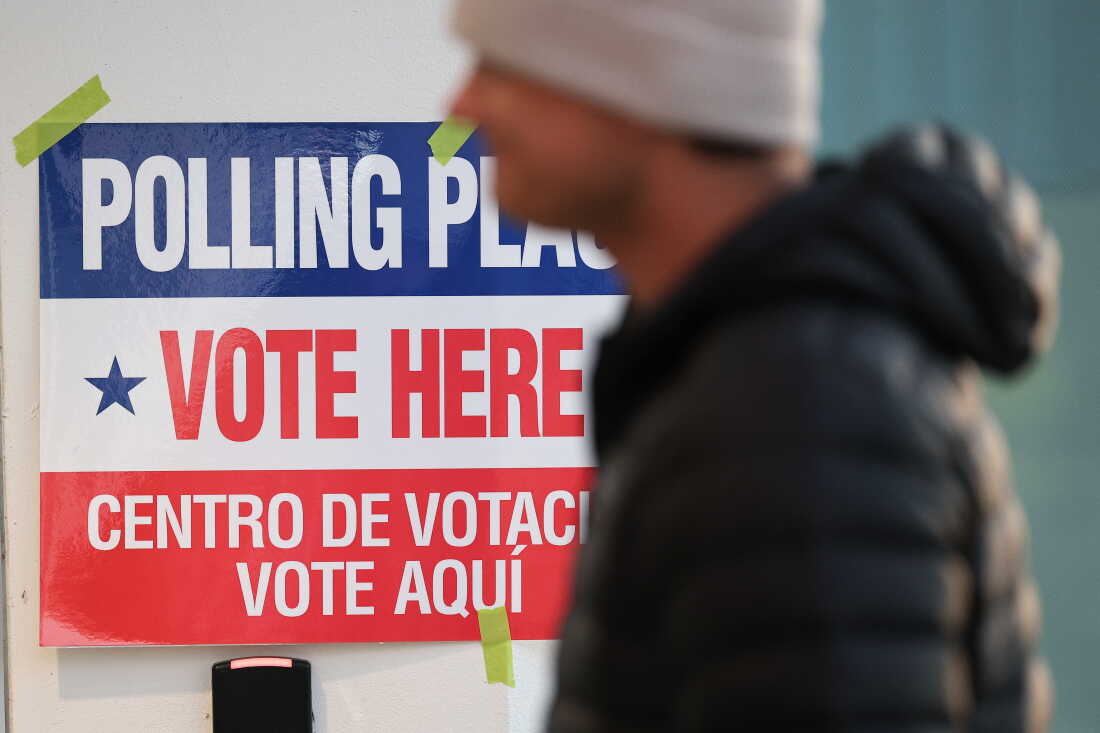
Voters showed up at polling stations in Arlington, Virginia, on April 21, facing uncertainties about the electoral process. Colorado election official shared their perspective, mentioning this year as the most uncertain in their 22 years of experience. The comment highlights concern among voters nationwide about federal involvement in the elections.
Earlier, President Trump issued an executive order to restrict mail voting, leading to legal challenges. The Supreme Court halted the order, ultimately keeping mail voting rules unchanged. Yet, voters remain confused and worried about potential interference. Carly Koppes, a Republican voting official in Weld County, Colorado, has received questions from voters regarding ballot security and delivery.
A poll conducted by the University of California San Diego found less than 50% of voters believe the midterms will be “free and fair.” However, a separate NPR/PBS News/Marist survey showed three-fourths of voters trust their state and local officials to conduct fair elections.
Federal immigration enforcement presence near polling places is another concern, despite laws against armed federal troops at election sites. The Supreme Court’s ruling against Trump’s mail ballot proposal also led to a 13 percentage point drop in confidence that mail ballots would be delivered on time.
A survey by the Partnership for Large Election Jurisdictions reported 62% of respondents worried that disputes over election rules might affect ballot counting. Stephanie Thomas, Connecticut’s Democratic secretary of state, noted voters’ inability to fully articulate their concerns but a general feeling of fear remains.
Election officials, like Steve Simon, Minnesota’s Democratic secretary of state, aim to reassure voters while addressing concerns responsibly. Simon emphasized Minnesota’s readiness to handle challenges potentially posed by federal actions, backed by laws and strategic partnerships.
Regarding turnout, midterms typically see lower participation than presidential elections. Uncertainty might widen that gap, though political science remains inconclusive on whether distrust affects turnout rates negatively. Despite rising skepticism, past elections experienced high participation, indicating another influence on turnout is possible.
Lauren Prather from UC San Diego mentioned unresolved links between confidence in elections and turnout, suggesting distrust doesn’t necessarily reduce voting. Brendan Nyhan from Dartmouth College noted that worries might spur increased turnout as communities mobilize in response.
Nyhan warned that while fears could boost turnout, distrust damages democracy post-election. He stressed the importance of trusting election outcomes for democratic health. The current environment, filled with skepticism, poses risks and vulnerabilities in the electoral process.
Leave a Reply