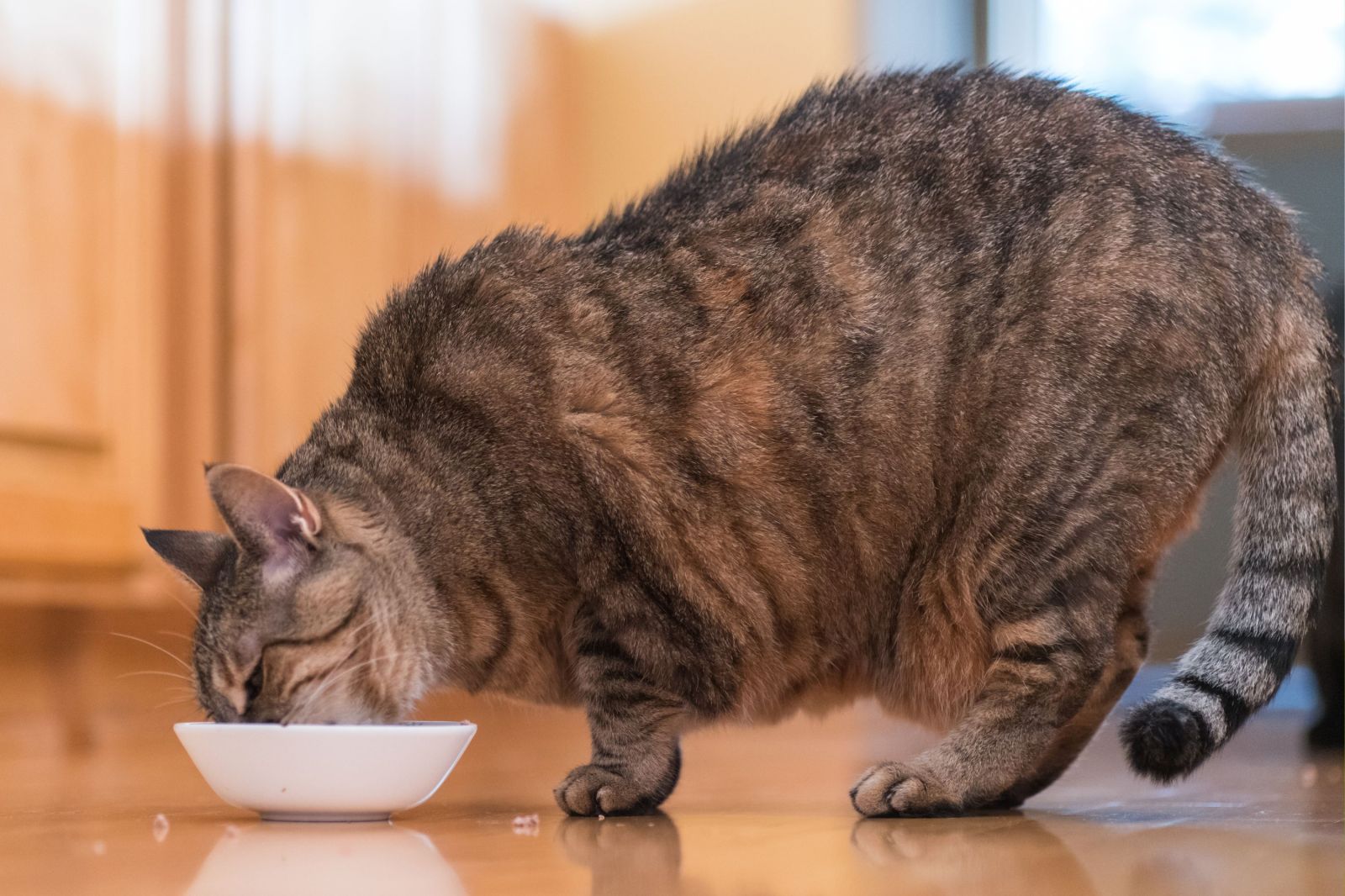
Pet owners might notice their cats gaining weight without understanding why. Often, overfeeding contributes to this issue. Veterinarian Ruth MacPete, author of a children’s book, shared insights with Newsweek about signs of overfeeding and related habits.
Health Risks of Obesity in Cats
While overweight cats might appear cute, they face health risks. Dr. MacPete highlighted that obesity can lead to arthritis, diabetes, and liver disease. Recognizing early signs can prevent these issues.
Common Feeding Mistakes
Leaving Food Out Constantly
Many owners let cats eat whenever they like by free feeding. Although convenient, this method isn’t suitable for every cat. Some consume more than needed, leading to excess weight. Treats, while tempting for owners to give, should not exceed 5 to 10 percent of a cat’s daily intake. The rest should come from balanced cat food.
Gradual Weight Gain
Weight gain can be hard to detect daily. Instead of relying on scales, consult a veterinarian. They assess a cat’s body condition using a nine-point scale. A score of 5 indicates a healthy weight, while higher scores suggest excess fat. During an exam, vets check the cat’s ribs, spine, and overall appearance to decide if they’re overweight.
Signs of Excess Weight
Overweight cats often struggle to jump on furniture and may face mobility issues. These changes might warrant a vet discussion. Grooming difficulties can also signal weight problems. Cats carrying extra pounds find it tough to clean themselves, leading to matted fur and skin issues. A decrease in playfulness, once deemed due to aging, can indicate weight concerns. As the weight makes movement harder, a cycle of inactivity and weight gain may begin.
Addressing Obesity
Dr. MacPete suggests working with a vet to plan safe weight loss strategies. This usually involves reducing calories and increasing activity. Sudden food reduction is risky and may cause hepatic lipidosis, a liver condition. Regular vet visits, at least once yearly for younger cats and every six months for those over seven, can detect weight changes early.
If you need to reach Newsweek’s editors about this piece, contact Rebecca Flood and Gray R. Thomas.
Leave a Reply