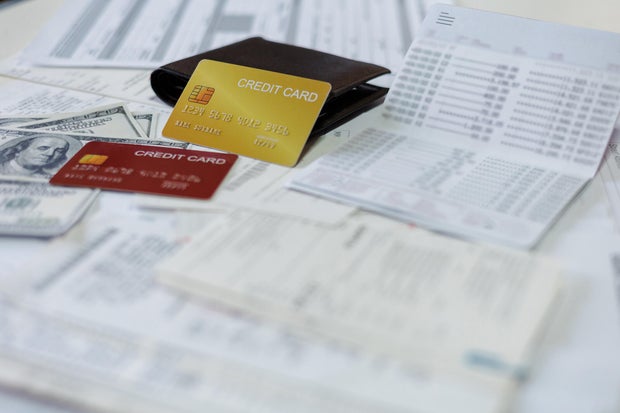
Debt collection involves time and money, so creditors won’t pursue unpaid balances indefinitely. Borrowers today face significant pressure due to high debt levels. Credit cards are major contributors, with interest rates averaging around 22%. Inflation is also driving up costs for essentials, stretching household budgets. This makes it hard for borrowers to stay current on payments.
Falling behind on payments, especially with credit card debt, worsens the situation. Missing payments leads to late fees and more interest. A prolonged lack of payments might result in a charge-off, collection calls, or lawsuits. Borrowers without the means to catch up might wonder when creditors will stop pursuing their unpaid debts.
When Do Creditors Stop Trying to Collect?
There’s no fixed deadline for creditors to halt collection attempts. Collection efforts can last years, but the methods change over time.
The Original Creditor’s Efforts
Most credit card issuers act immediately after a missed payment. They send reminders, impose late fees, and contact borrowers via phone, letters, or email. If payments aren’t made, the account becomes more delinquent. After about 180 days of nonpayment, many creditors charge off the account for accounting purposes. This doesn’t erase the debt, and collection efforts continue. It signals that repayment is unlikely under regular circumstances.
Collection Agencies Involvement
Once an account is charged off, creditors might assign it to a collection agency or sell it to a debt buyer. The new firm may then contact the borrower to collect the debt. Some debts are resold multiple times, meaning different agencies could try to recover the same balance. Debt collection efforts comply with federal and state laws, continuing until the debt is settled, becomes legally uncollectible, or further attempts aren’t financially viable.
Statute of Limitations Impact
Each state has a statute of limitations limiting the time a creditor or debt buyer has to sue over unpaid debt. After this, they generally can’t win a debt lawsuit if the borrower invokes the statute. This doesn’t mean collection activity must stop. Debt collectors may still request payment on time-barred debts, but can’t misrepresent the debt’s legal status or threaten unlawful lawsuits. Some creditors may stop pursuing smaller debts before this point, finding continued efforts uneconomical. Others might pursue larger debts for years.
When to Consider Debt Relief
Waiting for creditors to stop contacting you about unpaid debt isn’t cost-effective. Interest charges, fees, and legal action can escalate issues. There’s no guarantee the debt will disappear. If struggling with unsecured debt, consider exploring debt relief options early for a better solution.
Debt settlement might help eligible borrowers resolve debts for less than the full balance. However, it can affect credit and increase taxes. For those still making payments, other relief options might be better. Credit counseling agencies may suggest a debt management plan, combining credit card payments into one monthly payment and reducing interest and fees. Borrowers with good credit could consider a debt consolidation loan to simplify repayment and reduce costs.
Taking proactive steps early can help manage credit card debt. Whether negotiating with creditors, enrolling in a management plan, or exploring other relief, action is more effective than waiting for collection efforts to cease.
Leave a Reply