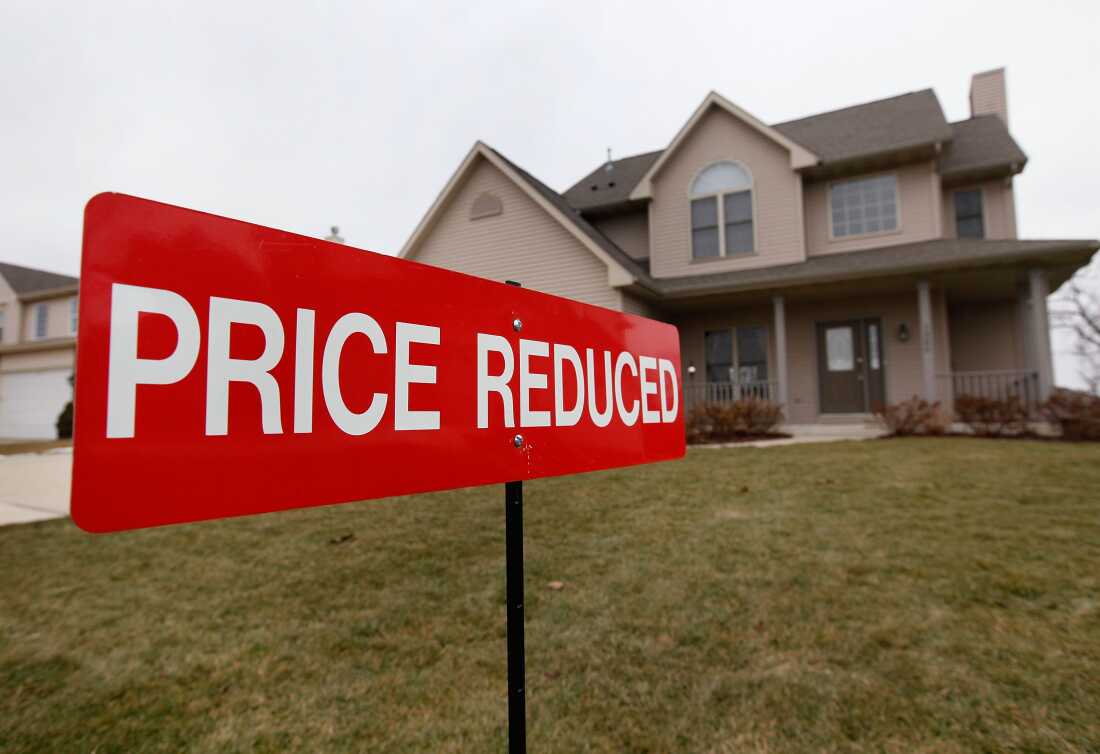
Home prices in Denver and several parts of the nation are on a decline. Reports indicate that the Denver metro area is witnessing one of the steepest housing price drops in the country. According to the S&P CoreLogic Case-Shiller Home Price Index, home prices have decreased by over 2% year over year, even more when adjusted for inflation. Rents have declined even further.
This price decline presents significant relief for renters. Karl Baumgartner, a 29-year-old internal medicine resident in Denver, finds himself benefiting. He recently moved to a larger apartment with more amenities that were previously out of his budget. A friend of his renegotiated her lease to a $500 lower rate by referencing reduced local rental prices.
Broader Economic Questions
Falling rents benefit renters, but Baumgartner questions the broader economic implications. He wonders whether negative inflation in the housing market brings downsides or if it’s simply the market balancing supply and demand.
Economics does not provide clear answers on whether falling home prices are positive or negative for the economy. Some indicators suggest falling housing costs might signal a healthy economy and market efficiency. High prices usually lead to more construction, which matches or exceeds demand, bringing prices down.
The YIMBY (Yes In My Backyard) movement believes housing restrictions have hindered market processes that can lead to affordable housing.
When Falling Home Prices Hurt
The downside of falling prices can be seen in cities like Detroit, where economic distress led to significant population declines between 1990 and 2010. Home prices fell as much as 80% during the 2000s housing bust, not from abundance but from economic collapse. Detroit saw neighborhoods empty and fall into disrepair, and at one point, houses were cheaper than cars. The city launched programs to demolish abandoned structures, and many families lost generational wealth.
Falling home prices can create the ‘wealth effect,’ where homeowners feel poorer and spend less. Economist Eric Zwick warns that debt’s role in the housing market can lead to widespread economic issues if prices drop sharply. During the 2008 crisis, many homeowners ended up owing more on their mortgages than their houses’ value. Risky mortgage bundles contributed to the Great Recession, impacting the financial system broadly.
When Falling Home Prices Are Beneficial
However, falling prices can sometimes be advantageous. In Denver, a lack of housing affordability has impeded economic growth despite strong job creation. Housing scarcity in productive cities slows economic growth by preventing workers from relocating there.
More affordable housing allows consumers to spend on other areas, improving overall economic investment. Lower housing costs can also encourage family growth, adding more workers and taxpayers over time. Homeownership enhances civic engagement and community investment, leading to improved neighborhoods.
Determining the Impact of Falling Home Prices
Evaluating when housing price declines are beneficial or harmful involves understanding the causes. Diminished demand could indicate broader economic issues, whereas increased supply is a healthier reason for price drops. Land values and the ‘price to income’ ratio can provide further insight.
Zwick emphasizes the danger of rapid or significant price drops. Gradual declines are manageable, but sudden sharp falls can lead to foreclosures and economic distress.
In Denver, the decline in housing prices appears primarily supply-driven due to increased housing developments, which could be positive. While in-migration has slowed and out-migration increased, experts agree the city’s scenario is not alarming. Denver avoids a Detroit-style crash, instead offering renters financial relief. Denver’s experience might illustrate the desired transition to affordable housing without an economic downturn.
Baumgartner’s new apartment reflects these positive changes, and renters in general benefit. This analysis suggests Denver could be modeling an equilibrated housing market adjustment beneficial for the broader economic landscape.
Leave a Reply