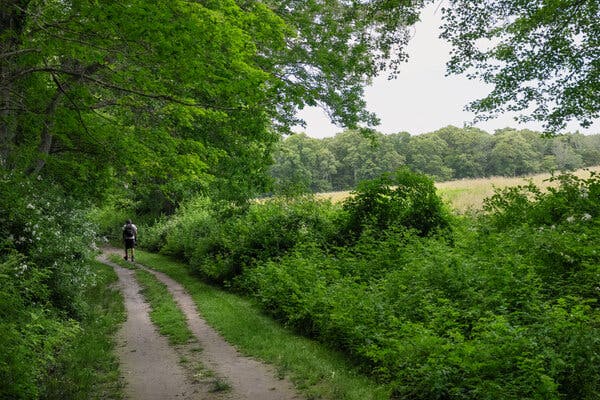
The history of abolition in New England often overshadows the region’s substantial history of slavery, which significantly influenced the fate of Black Americans during the Revolutionary War. Throughout New England, a writer navigated dirt paths and entered historical homes to uncover the overlooked narratives of enslaved men who battled for freedom on two fronts.
As the Battle of Bunker Hill approached, approximately 1,500 newly recruited minutemen gathered in Massachusetts at Harvard University. Buildings overflowed with soldiers, with additional accommodations resembling barracks, and where students now traverse Harvard Yard, privies and a slaughterhouse once stood. Trees for miles had been felled for fuel, granting colonial forces an unrestricted view of their adversaries across Boston Harbor. Recent studies reveal that about 10 percent of these troops were Black.
In Massachusetts, mansions along Brattle Street in Cambridge were financed by Antigua plantations, while Andover churches housed balconies where enslavers compelled captive worship. In Newport, Rhode Island, enslaved children could be bought for rum, and white citizens traded humans alongside copper kettles.
Black Americans who fought for our country emerged from a world marked by hardship and segregation. Despite residing in the picturesque settings of New England, these individuals endured lives marked by separation from spouses, children sold or given away, and confined lifestyles, reminiscent of the narrow staircases leading from kitchens to attics, sweltering in summer and freezing in winter.
In 2025, the Museum of African American History in Boston introduced “Black Voices of the Revolution,” an exhibit dedicated to the experiences of Black men and women during the war. Upon the declaration of war with Britain, these Black Americans faced a dilemma: to fight for their enslavers or place their hopes on an uncertain promise. Lord Dunmore, a loyalist governor who neglected to liberate his own enslaved individuals, offered freedom to indentured servants and those enslaved by patriots if they joined “His Majesty’s troops.”
Leave a Reply