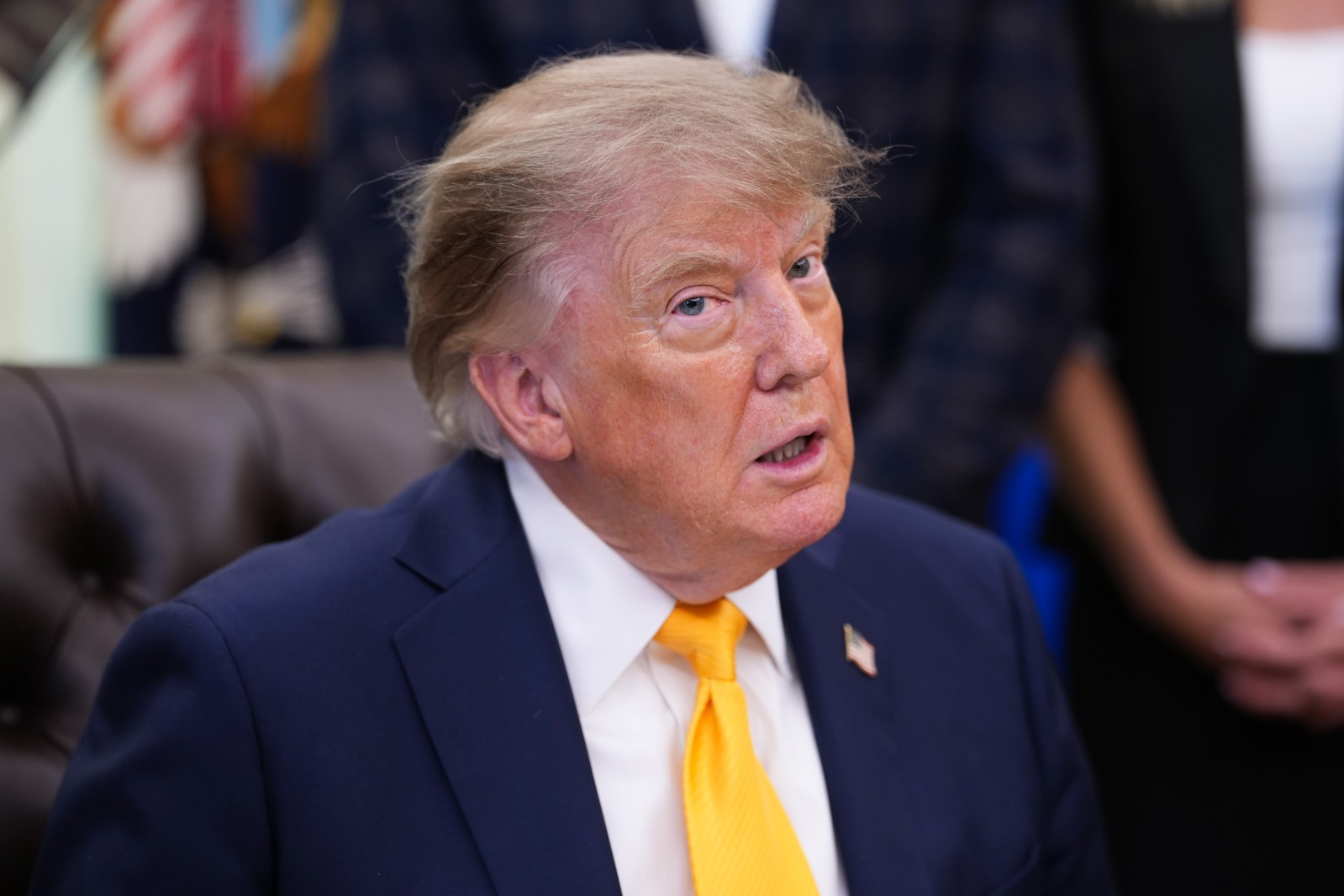
A recent poll highlights growing pessimism about the U.S. economy’s health under President Donald Trump. The Financial Times and Focaldata revealed that only 33% of registered voters approve of his performance, a drop of three points from the previous month and the lowest since May.
The survey of 2,178 adults showed that 66% believe the economy is moving in the wrong direction, marking a new high for the poll. Trump’s net approval on issues like inflation and cost of living has fallen to a record low of 17%, with 69% disapproving of his efforts. Support for his approach to jobs and the economy also hit a low of 26%.
Economic woes are increasing. Only 18% of Americans feel they are better off financially since Trump returned to office last January, down from 32% in May. Those feeling worse off have surged to 57%, up from 36%. The share feeling the same or undecided fell to 26% from 36%.
The dip in economic confidence is paired with rising negativity across political lines. Disapproval of Trump’s handling of inflation and the economy has climbed, with 66% feeling the economy is off course, up from 61% in May. Among Trump voters, 44% believe the economy is on track, down from 55%.
These trends pose a threat ahead of midterm elections. Economic issues are likely to be crucial in the elections, with affordability concerns driven by rising costs of essentials such as groceries and gas. A Harris Poll indicated that 95% of Americans view the country as experiencing an affordability crisis.
Despite high fuel costs due to disruptions in the Strait of Hormuz, Democrats were more trusted than Republicans on economic handling, polling at 44% compared to 38%.
The poll shows economic concerns are top priorities, with 43% prioritizing inflation and the cost of living, 31% focusing on the economy and jobs, and issues like war and immigration trailing at 20% and 16% respectively.
In response, a White House spokesperson emphasized that Trump acknowledges the war’s disruptions, but remains committed to their economic strategy involving tax cuts and deregulation. They cited higher-than-expected job gains as proof of successful economic policies.
However, political consultant Matt Klink cautioned that economic skepticism could hurt Republicans. “Economic skepticism is dangerous for the party in power, as it affects the support from working-class, rural, and independent voters,” Klink noted, suggesting that affordability issues could become pivotal in the midterms.
Leave a Reply