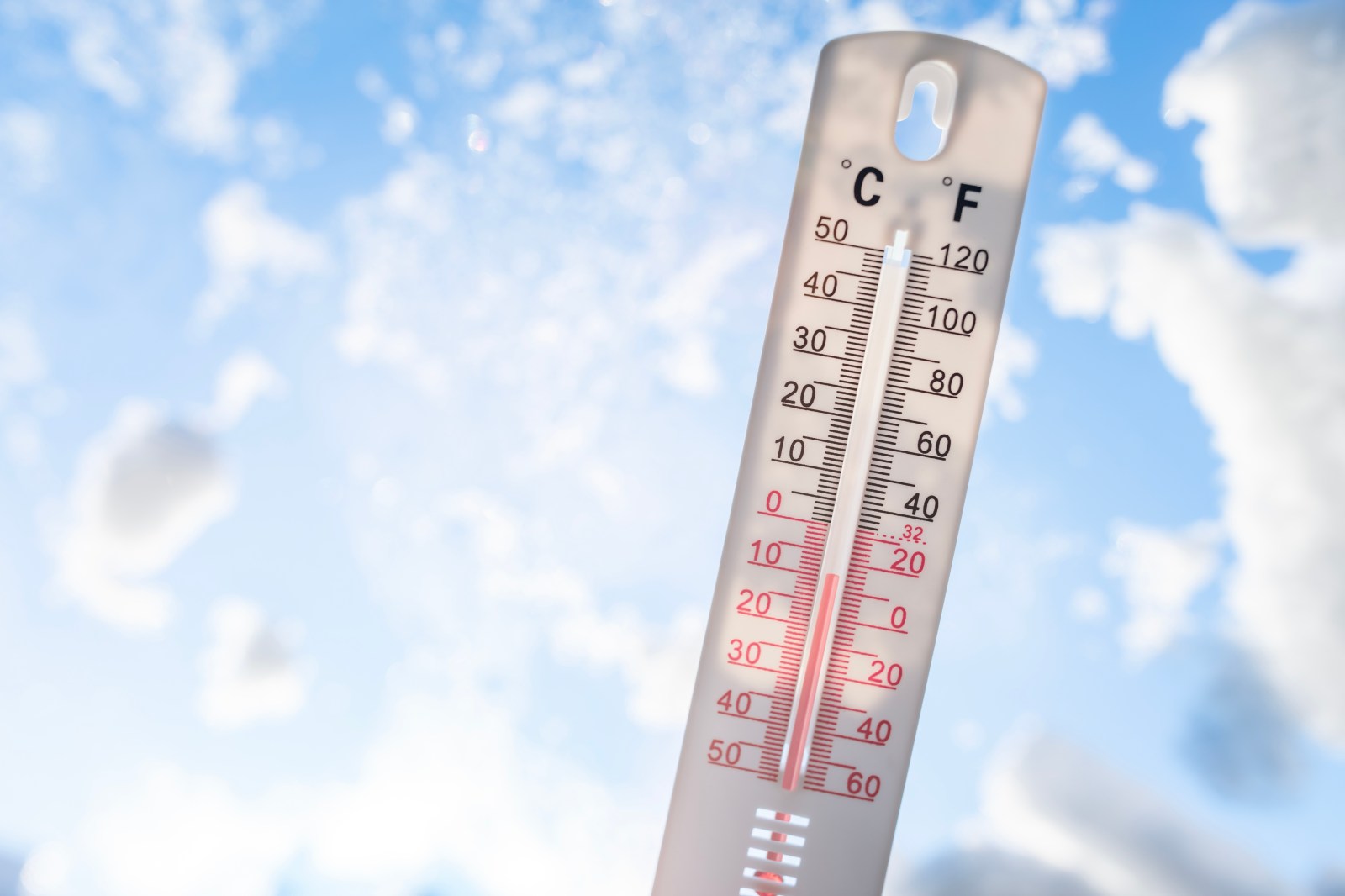
Weather Alerts in the Midwest
National Weather Service (NWS) offices have issued alerts for Minnesota, Michigan, and Wisconsin due to falling temperatures as fall arrives. A frost advisory and a freeze warning are in effect, driven by cooler air moving from Canada.
Understanding Freeze Warnings and Frost Advisories
Freeze warnings and frost advisories alert residents about potential cold conditions that could damage plants or affect animals. These warnings are crucial at the onset or conclusion of the growing season, especially for farmers and gardeners.
This week, NWS Marquette, Michigan, issued its first freeze warning of the season, marking an early cold spell compared to typical late September or October conditions. “Our normal overnight temperatures this time of year are typically in the 40s,” NWS meteorologist Ben Warren shared.
Details of the Freeze Warning
The freeze warning in Marquette, Michigan, will be active from 2 a.m. Tuesday for Baraga, Iron, and Southern Houghton counties. Residents can expect temperatures as low as 30 degrees Fahrenheit, affecting cities like Kenton, Iron River, Sidnaw, and L’Anse.
The warning advises precautions for protecting plants and water pipes. Suggested actions include wrapping pipes, draining, or allowing them to drip, and covering above-ground pipes. Sprinkler systems should be drained to prevent damage.
Frost Advisory Spread
Frost advisories are widespread, issued by NWS offices in Duluth, Minnesota; Gaylord and Marquette, Michigan; Grand Forks, North Dakota, covering Minnesota areas; and Green Bay, Wisconsin. Expected temperatures range from 33 to 34 degrees, depending on location, with frost posing a risk to sensitive plants.
Impact of El Niño on U.S. Winter Weather
A strengthening El Niño in the Pacific Ocean may affect U.S. winter temperatures. El Niño, the warm phase of the El Niño-Southern Oscillation (ENSO), is currently at record strength and may intensify further into November or December, according to NOAA.
During fall and winter, El Niño leads to cooler, wetter conditions in the South and warmer, drier conditions in the North. It influences patterns such as the storm track, precipitation types, and extreme cold spells.
Looking Ahead
Following Tuesday’s freeze warning and frost advisories, temperatures should rise with sunlight, expiring the alerts. However, similar warnings may emerge nationwide as fall progresses. Despite fall’s arrival, NOAA’s Climate Prediction Center forecasts a high likelihood of above-average temperatures across much of the U.S. through October 5.
Leave a Reply