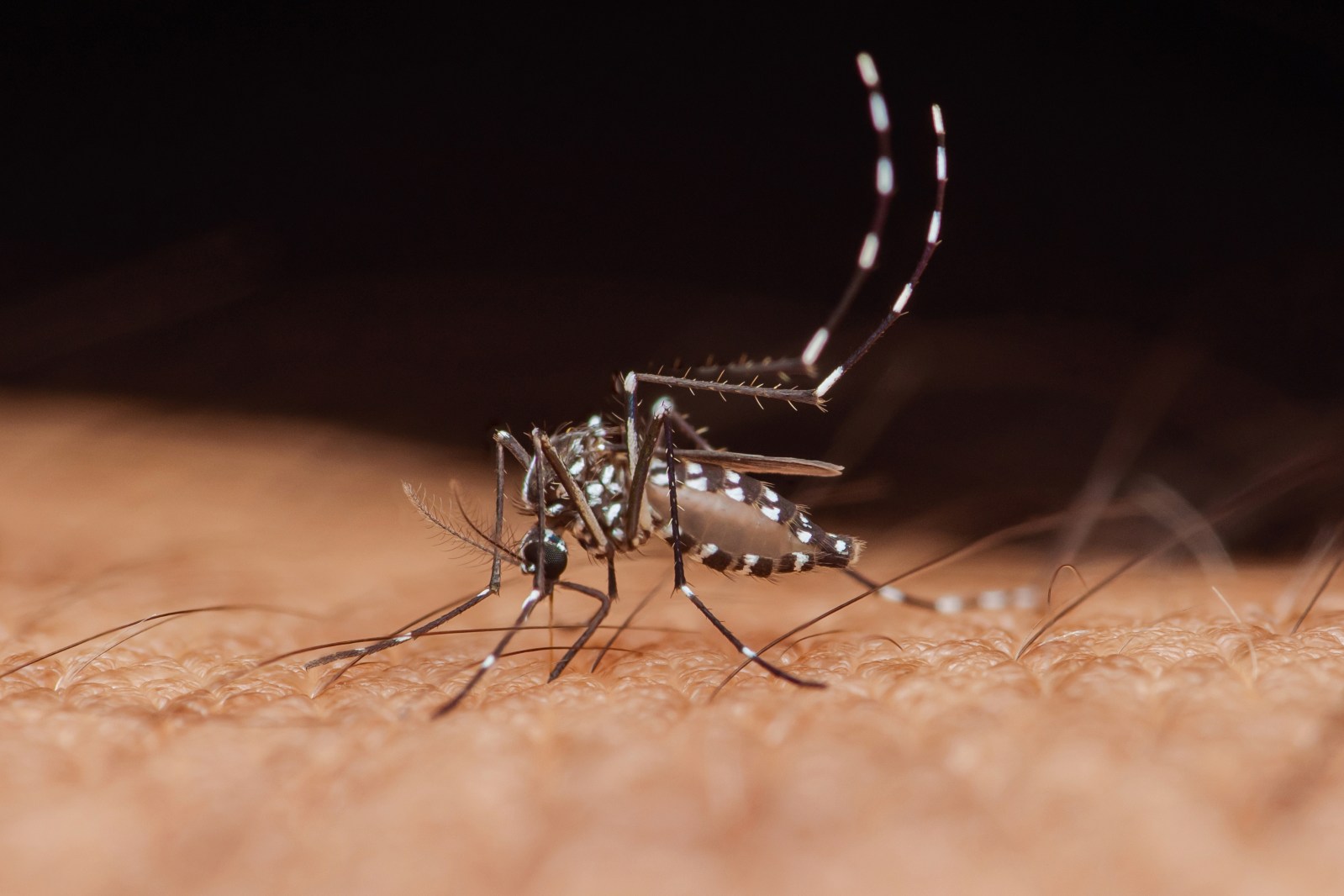
Cases of West Nile virus have been reported in 32 states this year. This mosquito-borne disease continues to infect people during peak summer months. Recent data from the U.S. Centers for Disease Control and Prevention (CDC) shows significant activity.
Current Data and Case Details
As of August 18, the CDC’s ArboNET surveillance system recorded 222 cases of human West Nile virus disease nationwide. Among these, 156 were neuroinvasive cases. This severe form affects the brain and nervous system. The CDC’s county-level map also reveals non-human activity. Infections have been detected in mosquitoes, birds, and other animals, indicating widespread circulation beyond areas with reported human cases.
Peak Activity and Health Risks
Health officials highlight that West Nile virus activity usually peaks in late summer and early fall. Most infected individuals remain symptom-free, but severe infections can lead to hospitalization and death. This season has seen at least eight fatalities: five in Arizona and three in California, according to reports.
Geographical Spread of Cases
CDC data identifies Arizona as having the most reported cases at 76, followed by Texas with 31, and California with 29. Eighteen states have no reported cases this year. These states are mostly found in the Midwest, Mid-Atlantic, and Northeast regions. Alaska and Hawaii also have no reported cases.
Preventive Measures Against West Nile Virus
As no vaccine or specific antiviral treatment exists for West Nile virus, prevention remains crucial. The CDC advises avoiding mosquito bites by using EPA-registered insect repellents. Wear long-sleeved shirts and pants during peak mosquito activity times. Ensure window and door screens are intact.
Health officials also recommend removing standing water around homes, as it serves as breeding grounds for mosquitoes. Regularly empty or refresh water in flower pots, buckets, bird baths, pet dishes, and gutters.
Understanding Symptoms and Risks
Most infections show no symptoms. The CDC estimates that about 80 percent of infected people do not experience symptoms. Around 20 percent develop mild symptoms known as West Nile fever. These include fever, headache, body aches, joint pain, vomiting, diarrhea, and rash.
In a few cases, the virus severely affects the central nervous system. Severe symptoms include high fever, intense headache, neck stiffness, confusion, tremors, muscle weakness, vision loss, numbness, or paralysis. Less than 1 percent develop neuroinvasive disease; however, these cases often require hospitalization and may have lasting effects. According to the CDC, about 10 percent of people with severe neurologic disease succumb to it.
Vulnerable Populations
Anyone in an area where the virus circulates can get infected. West Nile virus has been reported in all contiguous U.S. states since it was first detected in New York in 1999. Older adults face a higher risk of serious neurologic complications. The CDC notes that people aged 65 and over are significantly more prone to neuroinvasive disease than younger individuals. Those with weakened immune systems or chronic medical conditions are also at higher risk.
Susceptible Regions
West Nile virus can appear anywhere mosquitoes and vulnerable bird populations coexist. Mosquitoes contract the virus from feeding on infected birds. Some regions report more activity than others due to geographic, climatic, and mosquito ecological factors. The virus maintains a cycle between birds and mosquitoes, particularly species within the Culex genus.
Warm temperatures accelerate mosquito reproduction and viral replication, heightening transmission risk during summer. Areas with ample mosquito habitat, suitable weather conditions, and large bird populations typically experience sustained activity. The CDC warns that even in areas without reported human cases, risks persist. Human infections are often underreported, especially mild ones, and surveillance varies by region.
Treatment for West Nile Virus
No specific treatment for West Nile virus exists at present. Patients with mild illness should rest, stay hydrated, and manage symptoms with supportive care. Those with severe disease may need hospitalization for intravenous fluids, respiratory support, or other treatments for complications. Recovery from neuroinvasive disease can take weeks or months, with some patients enduring prolonged neurological problems.
As mosquito season persists across much of the country, health officials urge residents to take precautions. The virus remains active in many states, and conditions could enable further spread.
Leave a Reply