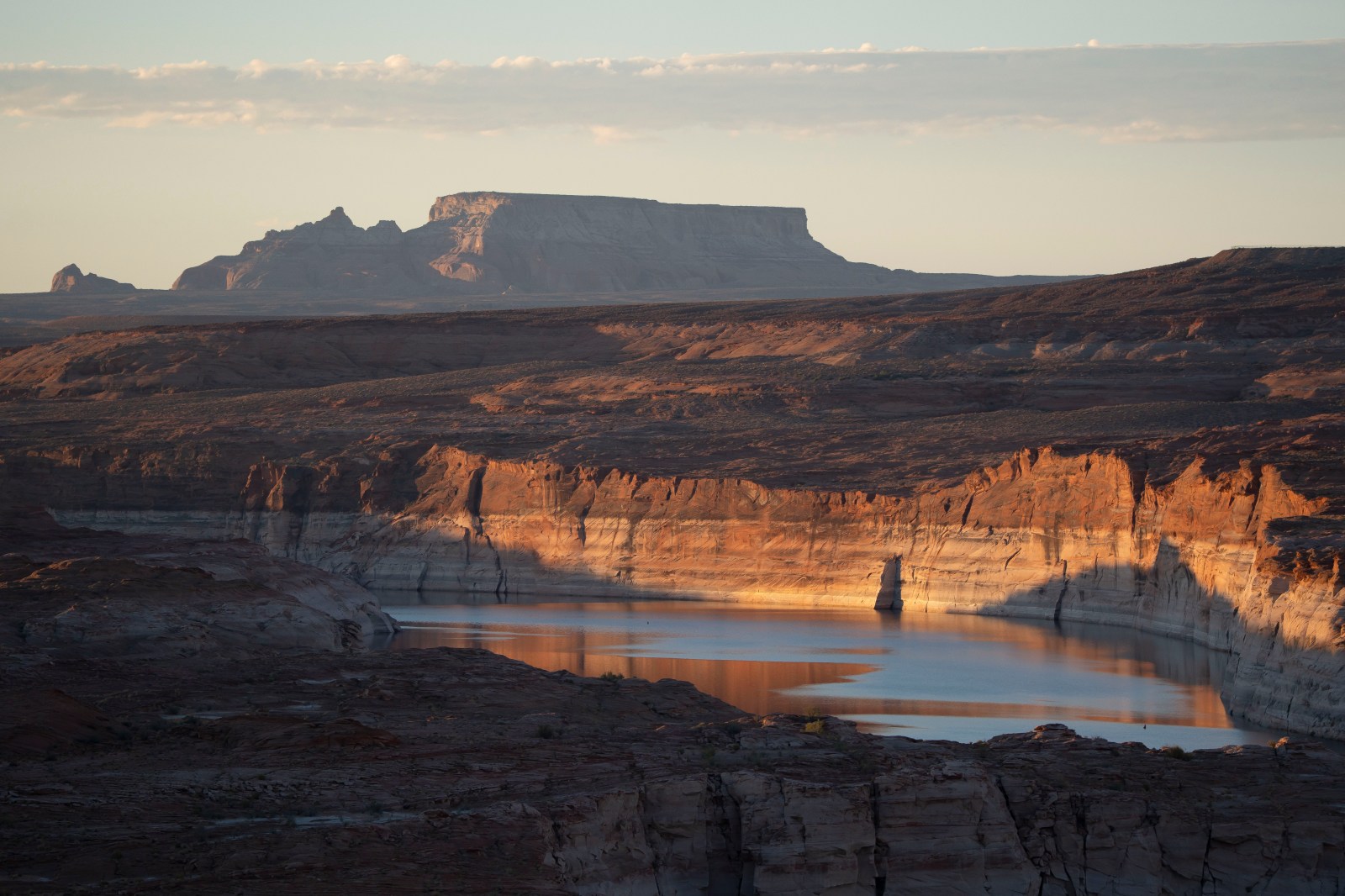
The abrupt closure of Arizona’s San Carlos Lake due to a significant fish die-off has sounded alarms among scientists, environmental experts, and water managers. They caution that similar events could occur elsewhere as issues like drought, rising temperatures, and water management pressures grow more severe.
San Carlos Lake Incident
The San Carlos Recreation and Wildlife Department reported that the incident resulted from persistent drought followed by rapid water releases. According to their statement, “Recent drought conditions, combined with water releases from the dam, have resulted in a major fish kill affecting nearly all fish in the lake.” Experts are concerned as the conditions observed—low water levels, increasing temperatures, and oxygen depletion—are common in major U.S. water systems.
Potential Broader Impacts
Without corrective measures, additional lakes may face similar risks, potentially leading to ecological damage and water supply disruptions for millions. The circumstances in Arizona could be indicative of broader challenges.
Colorado River System Under Extreme Pressure
The risks are particularly acute along the Colorado River. Two of the nation’s most essential reservoirs—Lake Mead and Lake Powell—are facing historic strain. Lake Mead, the largest reservoir in the U.S., serves around 40 million people but currently operates under official shortage conditions due to prolonged drought. The U.S. Bureau of Reclamation forecasts suggest that its water levels may reach unprecedented lows by 2027.
As water levels decrease, the lake becomes warmer and more stagnant, conditions that can foster harmful algal blooms and decrease dissolved oxygen levels. This scenario echoes the stresses experienced at San Carlos, raising concerns over potential ecological impacts and water supply challenges.
Similarly, Lake Powell is about 25 percent full, leaving minimal margin if dry conditions continue. Scientists warn that prolonged depletion might lead to a “system crash” within the Colorado River basin by 2028. Implications extend beyond local ecosystems, threatening widespread disruption to water delivery in the Western U.S.
Issues at the Great Salt Lake
Utah’s Great Salt Lake faces a comparable, although distinct, trajectory. It has lost over 70 percent of its water, influenced by drought and upstream water diversions. Here, rising salinity poses the primary threat to brine shrimp and other key organisms, according to Utah State University. The U.S. Geological Survey notes the shrinking lake is increasing toxic dust risks in surrounding communities.
Despite a different outcome—gradual ecosystem decline rather than abrupt die-off—the causes are akin: heat, reduced inflow, and human use.
Algal Blooms in the Great Lakes
Lake Erie exemplifies how similar problems arise even when water levels remain steady. The Environmental Protection Agency (EPA) has flagged recurring toxic algal blooms, driven by nutrient pollution and warming waters. These blooms can create “dead zones” with oxygen levels dropping too low for aquatic life.
This process closely resembles the fish-kill events, as decomposing algae deplete oxygen, leaving the water uninhabitable.
Slow Decline of Lake Tahoe
Lakes like Tahoe illustrate a slower crisis. Though not collapsing rapidly, Tahoe is shrinking faster than expected due to climate pressure and repeated droughts. Declining water levels and rising temperatures are gradually altering its ecosystem, indicating that even lakes perceived as stable face challenges.
Nationwide Lake Problems
EPA data shows that nearly half of U.S. lakes are experiencing nutrient pollution and degradation. Experts argue that this mix of pollution, heat, and reduced water levels creates optimized conditions for algal blooms and oxygen depletion, heightening the risk of fish kills and broader ecological harm.
The San Carlos incident isn’t unique; rather, it highlights a widespread and evolving problem in the nation’s lakes.
Leave a Reply