The WNBA Players Association (WNBPA) clarified that it did not request the league to halt the plan to place USA 250 patches on All-Star uniforms, despite public criticism from a union officer. In statements to OutKick and Fox News Digital, the WNBPA said player leaders reached out to the league following a Sportico report on the patch proposal for the All-Star Game in Chicago. Commissioner Cathy Engelbert pledged to address ‘racism, misogyny,’ but sidestepped major issues during the All-Star press conference.
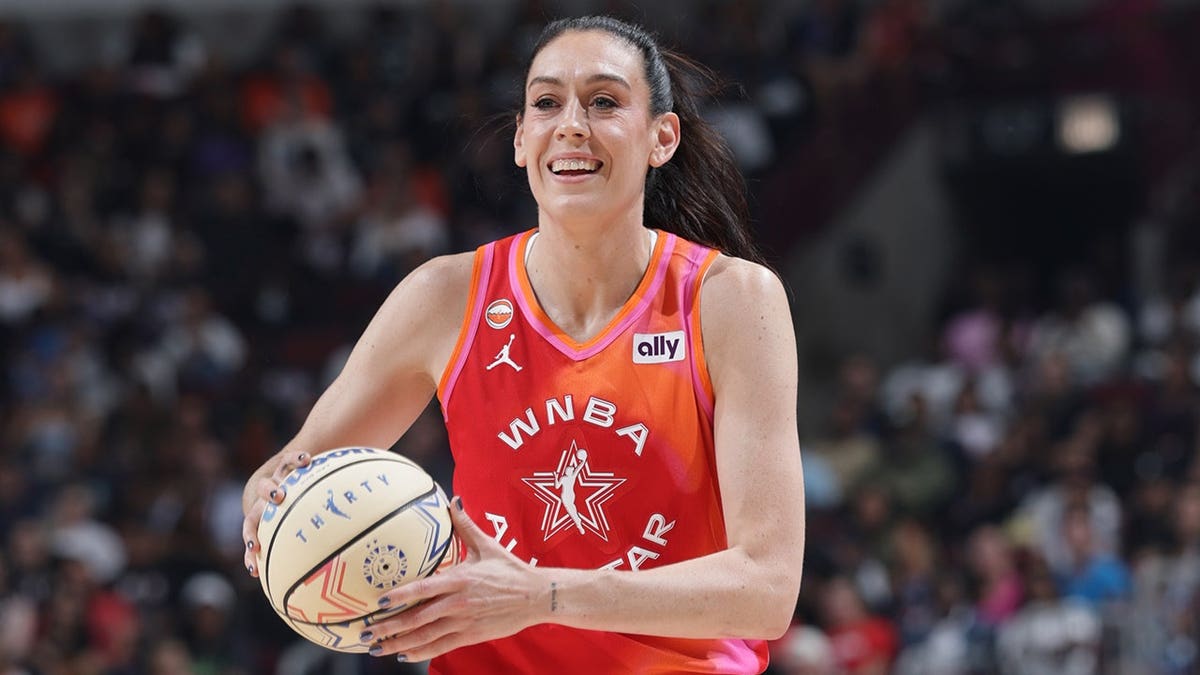
The WNBPA noted that the league hadn’t finalized the patch decision at the time. The WNBA later informed union leaders that it would instead use ‘America 250’ signage around the arena and honor veterans during the game. Breanna Stewart participated in the event, where the patches were absent from uniforms despite discussions.
“The league did not seek union input nor was the matter put before player leadership for action,” the WNBPA stated.
The statement contradicts claims that the union demanded the patch removal or voted against them. The WNBPA didn’t provide reasons behind the league’s decision to skip the patch after Sportico’s report or if public criticism by WNBPA Treasurer Brianna Turner influenced this move. The WNBA didn’t respond to queries about the union’s statement or the decision’s rationale.
The patches are part of a national initiative previously embraced by the NFL, NBA, among others, during high-profile events like the Super Bowl and NBA Finals. Despite Sportico’s report on the WNBA’s involvement, the proposal stalled after reaching WNBA leadership.
Las Vegas Aces’ Brianna Turner publicly criticized the patch plan, highlighting historical injustices. Her social media post challenged the decision to include USA 250 on All-Star uniforms, noting that 250 years ago, WNBA players wouldn’t have been free.
Turner’s comments preceded the WNBPA’s information-seeking discussions with the league. WNBPA President Nneka Ogwumike confirmed that players inquired about the proposal but stated the union didn’t formally participate in a decision regarding the patches.
“As players, we did ask about it,” Ogwumike told reporters, emphasizing the importance of dialogue with league leadership.
Breanna Stewart confirmed the absence of patches on the jerseys, but neither she nor Ogwumike explained if players objected during their discussions with the league. The WNBPA’s later statement revealed the matter wasn’t presented for union action.
Amid transparency concerns, OutKick and Fox News Digital asked the league about its plans, any union or player requests about the patch’s removal, and the decision-making process. The league remained unresponsive by publication.
Reports depicted WNBA players as refusing patches, but the WNBPA statement refutes this narrative, clarifying that player leaders didn’t formally participate in any patch decision. While the league cited exploration of ways to mark America’s 250th anniversary, the subsequent silence allowed it to retreat from final responsibility.
Turner later moderated her stance, appreciating American opportunities while advocating for further equality advancements. Her initial objection and subsequent comments highlighted the complex stance of WNBA players on national symbols and historical context.
The contention over America’s founding values surfaced as Turner debated the existence of legal equality. While acknowledging imperfections, constitutional safeguards and civil rights laws underscore the country’s progress toward equal protection.
In contrast, oppressive regimes, like the Taliban in Afghanistan, enforce legal inequalities against women, underscoring different global challenges. Yet, Turner criticizes a decision that embodies significant American progress through professional sports.
WNBA coach Cheryl Reeve emphasized the league’s need to balance diverse political perspectives while acknowledging national milestones. The patch proposal did not endorse political agendas but recognized the country’s foundation enabling current freedoms.
In the absence of league explanations, the WNBPA provided its account. The union explained its limited role, while the unanswered questions about player opposition or Turner’s influence linger. The decision not to adopt the patch, despite its symbolic nature, underscores ongoing societal debates within the WNBA landscape.
Leave a Reply