Early Criticisms and Emerging Positives
For two years, the most vocal opinions surrounding the first 48-team World Cup centered on its drawbacks. Critics were concerned that expanding the number of teams would undermine the quality of matches. Questions about ticket pricing potentially excluding average fans and the dangers of playing in the summer heat of North America were prominent. Additionally, they argued that the politically charged atmosphere in the United States made it a questionable host at a challenging time.
Yet, less than one week into the tournament, a different narrative is emerging. Early results are suggesting positive aspects of the event. Goals are being scored at a rate unprecedented in the last fifty years. Underdog teams are achieving draws against historically strong opponents, the most significant matches are reaching full attendance, and visiting fans are transforming host cities with their lively festivities.
Record Scoring Rates
The tournament’s opening matches are showcasing goals at a remarkable pace. Averaging 2.94 goals per game, the World Cup has witnessed numbers not seen since the 1970 finals in Mexico, which averaged 2.97. While this is impressive, one must consider that the 2014 event in Brazil also averaged 2.94 goals mid-way before closing at 2.67. As matches progress and knockout rounds arrive, these rates typically decline.
The current group stage has seen both consistent and unexpectedly one-sided scorelines. For instance, Germany dominated newcomer Curacao with seven goals, and Sweden overcame Tunisia with a 5-1 result.
Unexpected Team Performances
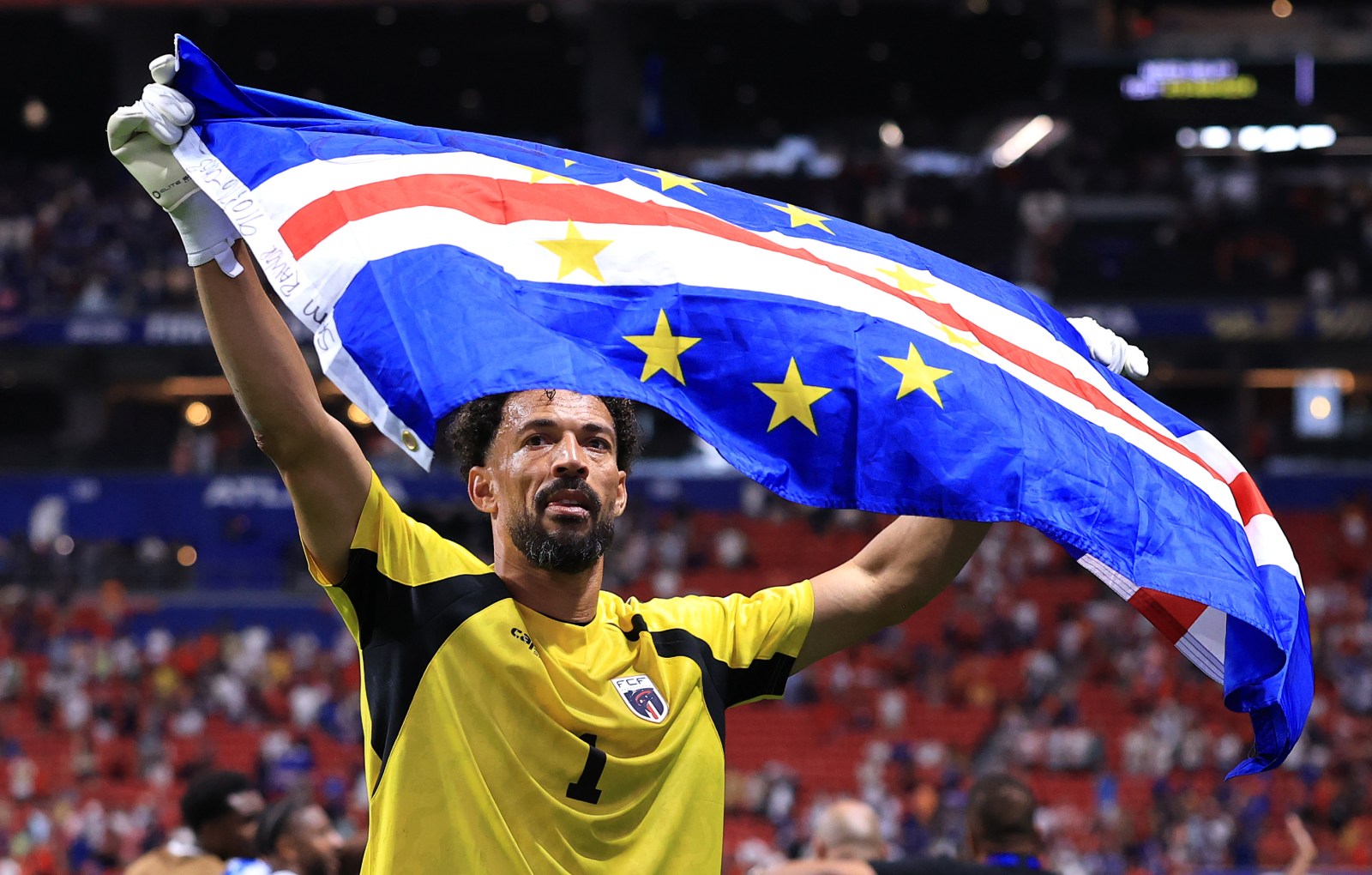
Contrary to fears that an enlarged tournament would result in one-sided matchups, surprising results are emerging. Smaller teams are challenging traditional powerhouses effectively. Cape Verde, making its World Cup debut, held European champions Spain to a scoreless draw in Atlanta, marking one of the most memorable upsets. Despite Spain’s 27 attempts at goal, they failed to score.
Egypt initially led against Belgium, only for Romelu Lukaku to secure a 1-1 draw. Qatar held Switzerland to the same score. Japan matched the Netherlands with a 2-2 draw, disrupting the Netherlands’ history of winning when leading twice in matches.
A regional pattern is observable as no Asian teams have lost, with South Korea besting the Czech Republic and Qatar, Japan, and Iran securing points against European teams. European and South American squads are averaging slightly over a point per game, contrasting the rest of the field.
Ticket Prices and Fan Demand
Groups including Football Supporters Europe and U.S. politicians have criticized the ticketing strategy for potentially excluding general fans. Despite these criticisms, demand is robust, though varied. The resale value for the top matches has increased, with Mexico’s matches trading at four times their original price. Over 30 days, average group-stage ticket prices rose by 14%, as reported by TicketData.
Scott Friedman of Ticket Talk highlighted the enthusiasm and passion of fans, attributing surging ticket prices to their energy. FIFA’s president Gianni Infantino confirmed that approximately 5 million tickets had been sold, with marquee fixtures achieving sell-outs.
Viral Fan Experiences
Beyond the matches, visitors are creating memorable experiences. Scottish fans, attending their first men’s World Cup in a generation, animated Boston ahead of their match against Haiti. They filled Fenway Park with energy, playing bagpipes and grabbing attention with a Boston police sergeant juggling a ball.
German fans Freddy and Fiago are on a road trip documenting their experiences across the American South and Midwest, enjoying attractions from Stone Mountain to Buc-ee’s. Meanwhile, Lawrence, Kansas became an embracing community for the Algerian team. Videos of locals welcoming Algerian supporters gained online traction.
TV Ratings Increase
The initial matches achieved record U.S. television audiences for a World Cup. Mexico-South Africa attracted 12.1 million viewers on Telemundo and Peacock, marking the most-watched Spanish-language World Cup game in the U.S. The U.S. versus Paraguay match drew nearly 25 million viewers on Fox’s networks, setting a record for a men’s World Cup game.
Fox averages 15.99 million viewers across its broadcasting, reaching a peak of 18.86 million. Including 8.9 million viewers from Telemundo and Peacock, the total audience neared 25 million, exceeding Game 4’s viewership of the NBA Finals between the Knicks and Spurs. Nielsen’s Big Data + Panel official methodology figures are expected soon.
Challenges Persist
Not all issues have been resolved. FIFA’s mandatory hydration breaks, despite existing weather conditions, disrupt play, drawing criticism for favoring advertising. France manager Didier Deschamps mentioned, “No matter which team, if they’re on a roll, three minutes ruin everything.”
Serious complaints also remain tied to U.S. immigration policy under the Trump administration. Cape Verde’s goalkeeper Vozinha highlighted visa issues. After Cape Verde was added to a list requiring a returnable bond up to $15,000 for travel, Vozinha’s mother couldn’t attend.
Iran reported having its ticket allocation revoked prior to facing New Zealand, condemning what they perceived as unfair treatment. Visa challenges led the Iranian team to base in Mexico, traveling into the U.S. for matches.
Although early group play isn’t complete, and structural pricing and scheduling issues persist, the tournament’s organizers and hosts have reason for optimism as the event unfolds.
Leave a Reply