When I entered prison at 17 years old in 1995, the internet was still in its infancy. Few had dial-up internet. I emerged in 2010 at age 32, overwhelmed by how technology had evolved. From being like the Flintstones, I walked into a world resembling the Jetsons. The fourth iPhone was already popular, touchscreens had supplanted keyboards, and everything had gone digital — from job applications to healthcare portals. I had missed the entire digital transformation during my time inside.
My first year back home was intense. I took on two full-time jobs and a part-time one. I juggled tasks at a pizza shop, answered phones at a payday loan company, and performed janitorial work at a local church, sometimes working up to 140 hours a week. I thought I was succeeding.
Then came my tax filing at H&R Block. I assembled my documents and handed over my W-2s. When the preparer revealed my total earnings, $24,600, I was astonished. How could all that work amount to so little?
Facing the stark reality, I realized living on $24,000 a year is untenable. It’s insufficient for basic needs like housing, transportation, food, clothing, and healthcare. Without my family’s support, I would have struggled. That moment clarified why some people might abandon the grind after exhausting effort leads nowhere. When the numbers don’t add up, some may contemplate alternatives with potentially higher returns.
Understanding my story, it’s clear the issue wasn’t merely wages. It was my lack of digital literacy. I returned home motivated, willing to endure long hours, yet I lacked skills vital for the current economy. That deficiency was already impacting me by 2010.
The rapid pace of technological advancement can be bewildering. Imagine taking a six-month break from technology, only to return to unfamiliar updates. I didn’t just miss updates; I missed foundational knowledge. Navigating a digital job application was foreign. I hadn’t interacted with online benefits systems or employer portals. These essential tools had become the backbone of adult life.
In my career advocating for reentry, I’ve pondered how access to basic digital skills during those 15 years might have altered my path. Developing resumes, applying for jobs, forming an email, participating in classes, and staying connected to family are now routine yet were absent for me.
Secure access to technology, even in prison, is crucial. It’s a determining factor between a returning citizen succeeding or reverting to previous behaviors. I lead TimeDone, a community for individuals with past arrests and convictions. I’ve met many motivated individuals post-release, who despite doing everything right in prison, face external barriers unrelated to their character or effort.
The recurring message underscores the necessity of initiating reentry before release. People need tools, training, and connections pre-release for successful reentry. We’ve established a support program, offering connections to technology, peers, savings, mental health services, and community links, essential for making a difference.
In 1995 and 2010, there was no bridge for me. I work to close that gap, ensuring tools are accessible before release and support is available if challenges arise. Having experienced one version of reentry, I aim to prevent others from undergoing the same.
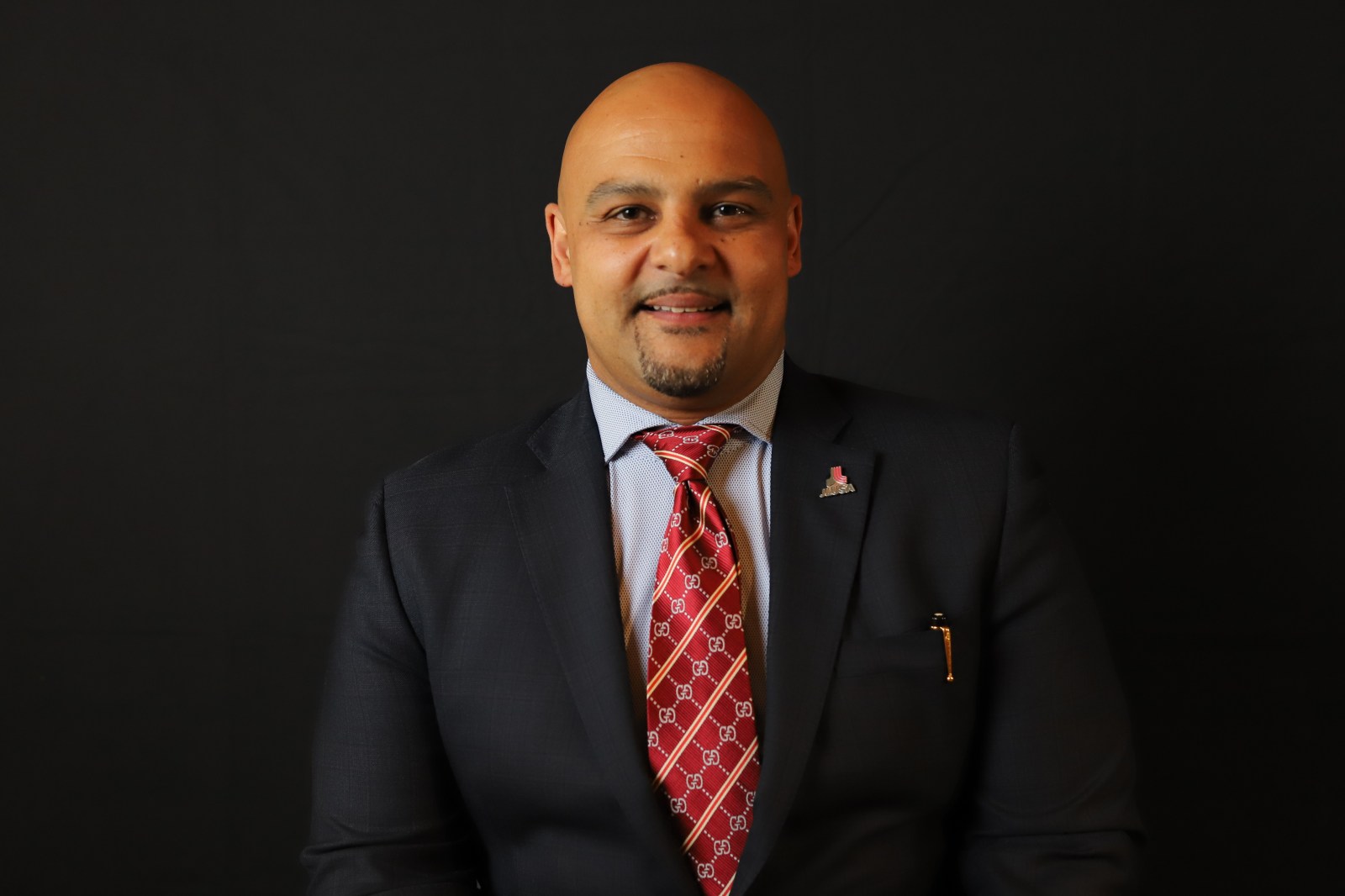
Saad Soliman serves as the national director of TimeDone at the Alliance for Safety and Justice. He is a leader in reentry systems, with roles involving the U.S. Department of Justice, federal courts, along with national policy and advisory capacities.
All views presented in this article are the author’s.
Do you have a personal essay for Newsweek? Send your story to [email protected].
Leave a Reply