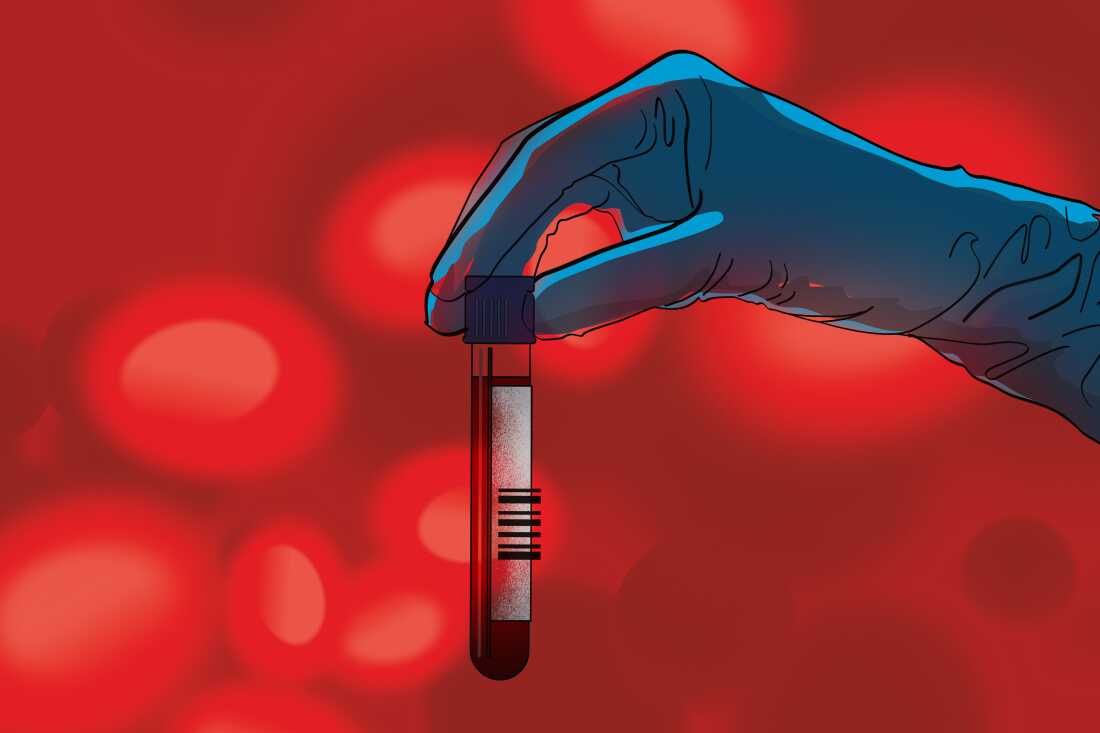
Emerging blood tests may significantly impact cancer care and survival rates. These tests can detect traces of 50 different cancers using just one vial of blood. Although not diagnostic, they guide doctors on where to investigate further.
The Food and Drug Administration is assessing the Galleri test for cancer detection. If approved, this test might change the landscape of cancer screening, making it easier and more accessible to many. Currently, the U.S. screens for five specific cancers, each with its exam or scan. Galleri, however, identifies markers for up to 50 cancers through a single blood sample. This comprehensive approach could redefine cancer screening.
Additionally, the Galleri and Cancerguard tests are already available under FDA guidelines. Full approval is required for these tests to receive Medicare coverage. Recent legislation allows Medicare to reimburse multi-cancer detection tests beginning in 2028, showing promising advancements in this field.
Grail, the company behind Galleri, is conducting extensive research in the U.K. and North America. Their studies aim to reduce the occurrence of advanced-stage cancers, with encouraging results already seen.
Experts emphasize using Galleri alongside existing screening methods, not as a replacement. Current blood tests, like liquid biopsies, are vital in evaluating treatment efficacy and understanding genetic cancer types.
Jonathan Goldman, a lung-cancer specialist, highlights blood tests’ role in predicting disease onset. While detecting precursor cells remains a future goal, ongoing advancements make this potential a reality.
Ultimately, improving blood tests aligns with treatment progressions, enhancing survival chances especially when cancers are caught early. Accurate prediction and early-stage detection increase the effectiveness of treatments, marking significant strides in cancer care.
Leave a Reply