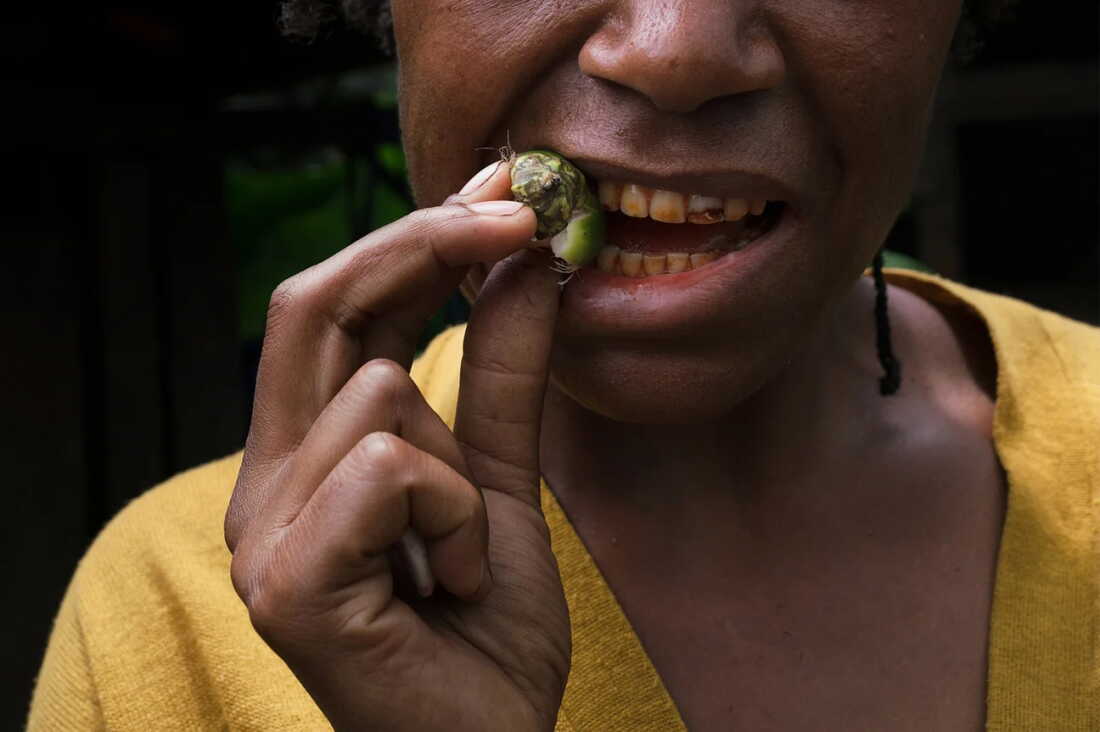
About 600 million people consume betel nuts today. These nuts are seeds from specific palm trees, similar in size to walnuts. Users claim benefits such as relief from indigestion, fresh breath, and increased energy. However, long-term use can damage teeth, elevate heart disease risk, and lead to oral cancer due to inherent chemicals. Despite these risks, many in Asia and the Asian Pacific remain addicted. Betel nuts rank as the fourth most frequently used mind-affecting substance worldwide, following tobacco, alcohol, and caffeine.
The Discovery of Ancient Betel Nut Use
A study in Science Advances details how researchers identified an early practice of betel nut use. By examining ancient teeth, researchers theorized that early humans, particularly hunter-gatherers, might have initially used betel nuts for their pain-relieving properties. Adam Brumm, professor of archaeology at Griffith University, led the research. He suggests that this behavior likely started with hunter-gatherers who sucked on the nuts, akin to gobstoppers.
Outside experts, while admitting the evidence is not definitive, consider the findings compelling. José Capriles, an associate professor of anthropology at Penn State University, notes that human experimentation with substances is part of nature’s fabric.
Unraveling the Teeth Mystery
Archaeologists unearthed human remains on the Indonesian island of Sulawesi. These remains, believed to be as old as 25,000 years, revealed curious grooves in the teeth that puzzled scientists. Experts in ancient dental wear couldn’t provide explanations for these grooves. Brumm located a second set of teeth nearby, with similar markings pointing to a long-term pattern of repeated wear.
By ruling out various uses of the teeth as tools or for processing plant fibers, the researchers pursued different angles. Brumm drew a parallel with colonial period laborers whose teeth bore marks from habitual tobacco pipe smoking. This comparison allowed researchers to consider a cultural practice that might have led to similar wear patterns.
Linking Betel Nuts to Teeth Grooves
Today, betel nuts are typically chewed with chemicals for stimulant effects. The teeth wear observed suggested a different usage. The pattern of sucking hard, round objects fit the grooves, indicating an earlier stage in the practice. Bumm hypothesized that pain relief drew ancient peoples to regularly suck on the nuts, to the point of wearing their teeth down severely.
Partnering with Professor Roger Papke of the University of Florida, the team simulated an ancestral scenario. They created artificial saliva and soaked whole betel nuts in it. The resultant extracts, introduced to cells mimicking human brain receptors, showed that arecoline—a betel nut chemical—activated these receptors. This suggested a possible physiological reaction in ancient humans.
During testing, traces of arecoline were found in the dental tissues from these teeth, supporting the hypothesis. Brumm personally tried betel nut sucking and described the taste as bitter with a numbing effect, implying ancient attraction to such qualities.
Ongoing Research and Interpretations
Outside researchers endorse the evidence for ancient betel nut use. Peter Ungar, an anthropology professor, sees the wear patterns as strong indicators. However, he and other researchers, like Capriles, suggest more findings are needed to strengthen conclusions. Discovering betel nuts or seeds in cultural contexts such as hearths or burials could provide stronger evidence.
Some caution against assuming pain relief as an ancient motive solely based on contemporary understandings. Anthropologist Agustín Fuentes warns against imposing modern assumptions onto past cultures. He suggests that the use of betel nuts might have had different social or cultural motivations.
Brumm acknowledges these gaps and the vast unknowns encountered in archaeology. Nonetheless, he emphasizes the thoroughness of the research and offers the current interpretations as the best understanding of ancient betel nut use.
Leave a Reply