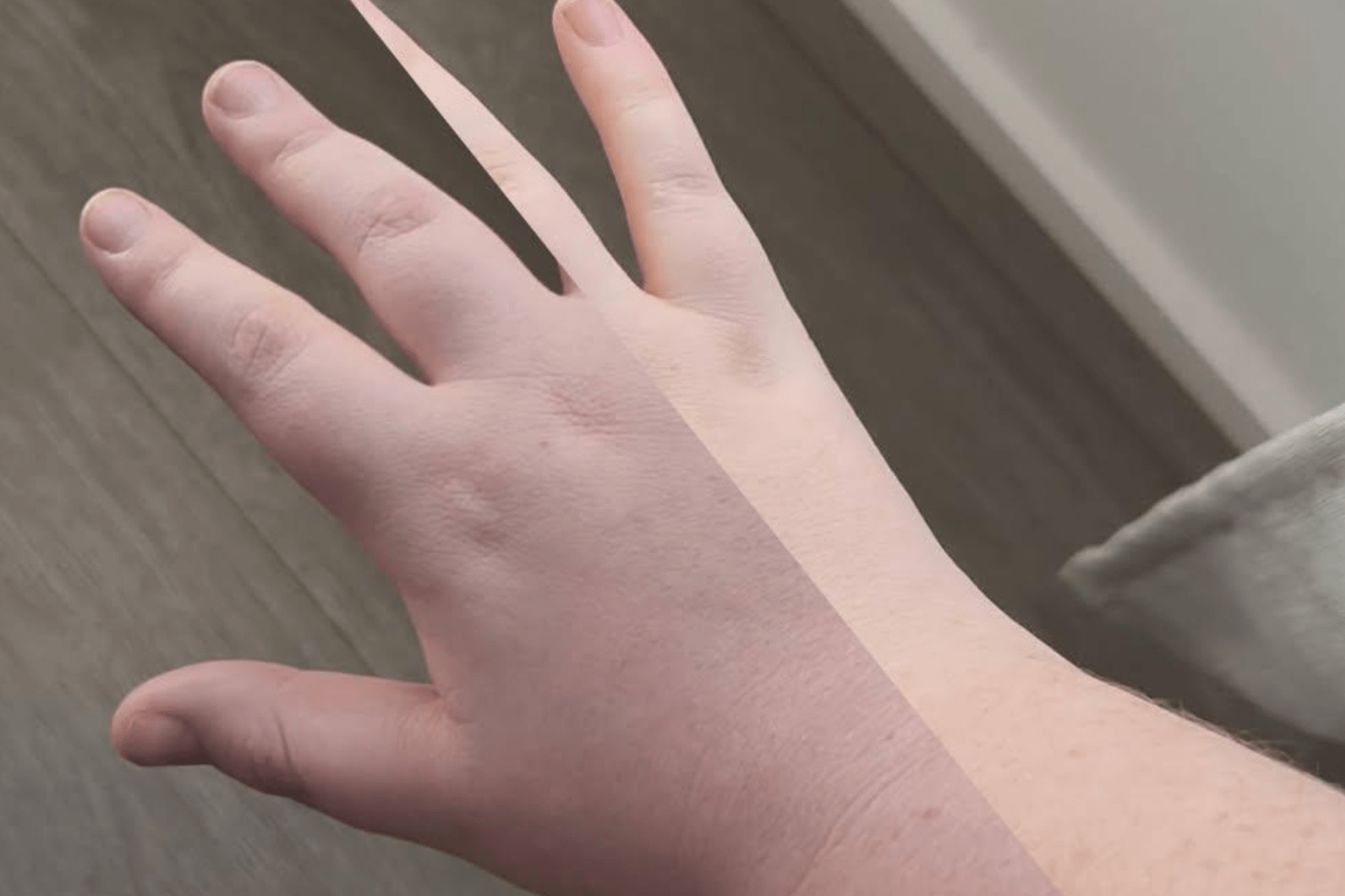
Elizabeth Lynch, known by her middle name, is a 28-year-old artist from Melbourne, Australia. She has built her career around art, photography, and graphic design. However, a debilitating condition has transformed her work and hobbies into sources of intense pain.
In her conversation with Newsweek, Lynch remarked, “a lot of what I do relies heavily on my hands and arms.” Such activities include holding a camera, drawing, photo editing, using a mouse and keyboard, and long hours at the computer.
Lynch lives with Ehlers-Danlos syndrome (EDS), a genetic disorder affecting connective tissues, causing lifelong pain and joint issues. Despite this, she maintained her artistic pursuits until her symptoms worsened significantly.
Initially, Lynch experienced pain in her neck, shoulder, and arm. This evolved into numbness, tingling, heaviness, weakness, and swelling, often resulting in her dropping items she tried to hold.
“It reached the point where I couldn’t comfortably hold a pen or repeatedly click a mouse. This was frightening as art and photography are central to both my work and life,” she explained.
Lynch was eventually diagnosed with vascular and neurogenic Thoracic Outlet Syndrome (TOS). In her words, “the arteries and major nerves between my neck and arm are physically crushed shut when I moved my arm.” This blockage severely affected blood flow and irritated nearby nerves.
A 2018 study in the Journal of Brachial Plexus and Peripheral Nerve Injury noted that neurogenic TOS often results from physical trauma or repetitive movements. Physical therapy is the usual initial treatment, but surgery may offer significant symptom relief.
Though TOS is rare, the Mayo Clinic suggests diagnoses can be challenging. Symptoms include numbness, tingling, pain, muscle alterations, and skin changes, which worsen under strain.
Lynch recounted being urged to “strengthen and exercise through the pain,” trying numerous treatments like physiotherapy, strength training, and water therapy. However, she found these worsened her symptoms.
Eventually, everyday tasks like driving and cooking became difficult. Activities such as snowboarding, hiking, and figure skating were no longer possible.
In December 2025, she underwent surgery involving the removal of her first rib and scalene muscles, with extensive decompression of the brachial plexus. Surgeons discovered physical abnormalities causing her symptoms.
Post-surgery, Lynch noted improvements but continues to face nerve pain and compression, requiring future procedures. She shares her experiences online to raise awareness of TOS and EDS, recently revealing the stark color change in her skin after minimal movement.
Lynch believes public awareness can significantly help those struggling for a diagnosis. “It has been an incredibly long road to get properly diagnosed,” she states.
Now, Lynch aims to protect her nerves and circulation, hoping to regain functionality and return to creating art and photography without constant pain.
Leave a Reply