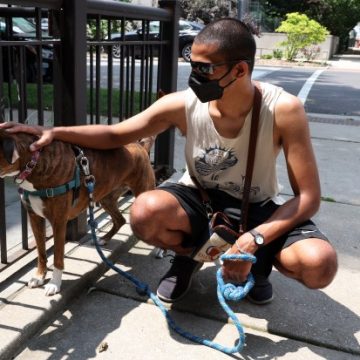
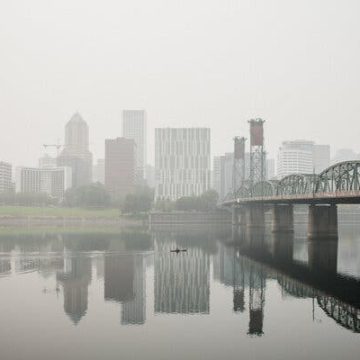
Mike Russell checks the weather before work. As co-owner of J&M Dog Walking, weather influences how much time his clients spend outdoors. When he saw the poor air quality advisory on Thursday morning, he wasn’t sure what to expect. He advised walkers to keep dog outings brief and spend more time indoors. Russell, 43, soon...
Category: Climate Change
Challenges in Forecasting Wildfire Smoke Behavior
The interaction of wildfires, smoke, and changing weather patterns adds uncertainty to predictions for the coming days. In Manhattan, pickleball players experienced a significant smoke presence on Thursday. Although smoke levels decreased early Friday, changing weather might bring it back. Predicting wildfire smoke behavior is complex. Advanced computer models struggle to provide accurate forecasts when...
Iranian Strikes Damage Kuwaiti Water and Power Infrastructure
Recent Iranian strikes have resulted in significant damage to a vital power and water desalination plant in Kuwait, impairing a crucial source of drinking water for the nation. This attack underscores vulnerabilities in the Middle East’s infrastructure, a region heavily dependent on technology to produce freshwater for its cities, industries, and limited agriculture. Kuwaiti officials...
Wildfire Smoke Causes Air Quality Concerns in U.S. and Canada
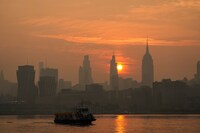
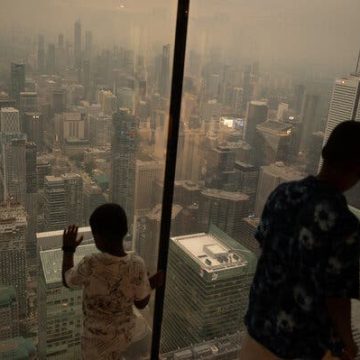
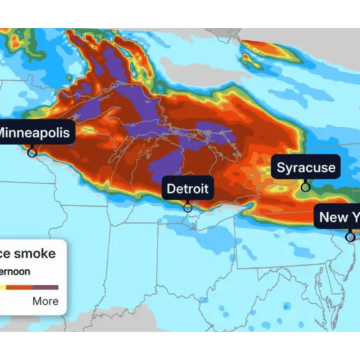
Several cities across the United States and Canada have been covered in an orange haze this week. From Detroit to New York and extending to Toronto, many residents are experiencing unhealthy air quality conditions. The smoke originates from wildfires burning in Minnesota and Canada, affecting large populations in these areas.
Wildfire Smoke from Canada Affects U.S. Summers
Wildfire smoke from Canada is impacting the United States again, obscuring the sky with a thick, toxic haze. This recurring summer trend involves smoke turning the sky a milky-white or orange. These wildfires, primarily in western regions, release harmful smoke that travels downwind. Recently, around July 17, 2026, this phenomenon was noticeable as a cyclist...
Canadian Wildfires Burn 24/7 Amid Rising Nighttime Temperatures
Wildfires in Canada are becoming an around-the-clock battle for firefighters as rising nighttime temperatures prevent fires from slowing down after dark. These conditions challenge fire crews who traditionally perform critical tasks at night to control these blazes. With temperatures climbing, wildfires continue to spread, posing greater risks to those on the front lines. One crucial...
Coping with Extreme Heat in Banda, India
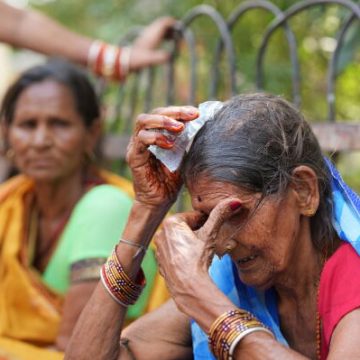
In Banda, India, relentless heat persists day and night. Electricity outages force residents to cope without even basic fans. Relief comes from makeshift solutions like being hosed down or sleeping outside. Banda often records some of India’s highest temperatures. Global warming, largely due to the burning of fossil fuels, intensifies heat waves. Uttar Pradesh, the...
Evacuations Continue as Wildfires Rage in Northern Minnesota
Thousands of visitors in a remote Minnesota wilderness had to evacuate as wildfires spread heavy smoke across the U.S. Midwest and Northeast. Over 100 wildfires burn in Canada, and winds have carried the smoke southeast, triggering unhealthy air condition warnings from Minnesota through Toronto and into New York. Meteorologist Tyler Hasenstein from the National Weather...
Wildfire Smoke Threatens Public Health in the US
The threat of wildfire smoke is becoming increasingly severe in the United States, largely due to rising temperatures. Recent research indicates that if current warming trends persist, wildfire smoke will claim approximately 70,000 lives annually by 2050. This projection highlights a growing danger linked to climate change. Marshall Burke, an environmental economist from Stanford University,...
Canadian Wildfire Smoke Triggers Air Quality Alerts in US
Canadian wildfires are causing significant smoke spread across parts of the United States. The National Weather Service (NWS) has issued air quality alerts for several states due to this development, affecting millions of residents. The wildfires in Canada are producing extensive smoke plumes. These plumes are traveling hundreds of miles south and degrading air quality...