Legal experts are divided on the involvement of New York Attorney General Letitia James in a sexual assault case at Cornell University. The debate was featured in an analysis by Fox News legal editor Kerri Urbahn and host Lawrence Jones. Tompkins County District Attorney Matthew Van Houten defended his choice not to pursue charges against students due to insufficient evidence. The panel discussed the legal impact of Attorney General James’s social media comments on the case.
Cornell University has canceled fraternity parties for the 2026-2027 academic year. This decision follows a lawsuit by a female student alleging she was sexually assaulted by seven men at the Chi Phi house in 2024. University President Michael Kotlikoff announced the ban and promised increased support for survivors. He stated, “All parties and social events in Interfraternity Council houses at Cornell will be suspended for the remainder of the 2026-2027 academic year.” This temporary suspension aims to review fraternity life at Cornell to ensure its safe continuation.
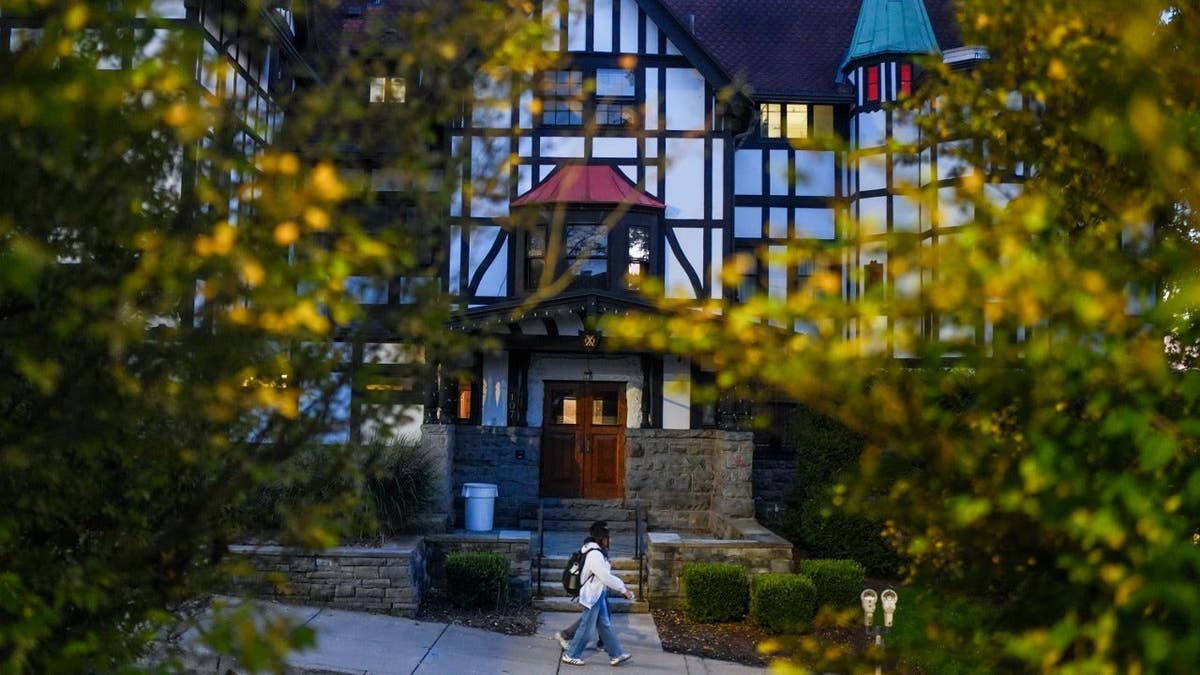
The fraternity house involved in the allegations, identified in court as “Jane Doe,” is on Cornell’s campus as of October 7, 2026. President Kotlikoff emphasized zero tolerance for violations. Fraternities hosting any events will face immediate suspension. The university plans to explore “safe social alternatives” during this period.
The student’s lawsuit, referred to as Jane Doe, has triggered several investigations. New York Governor Kathy Hochul appointed the state attorney general’s office as a special prosecutor to investigate her claims. Additionally, Cornell hired Sally Yates, a former U.S. Deputy Attorney General, to conduct an independent review.
At least two accused individuals have sought to have Attorney General Letitia James removed from the case. They raised concerns over her supportive tweet for the victim before her appointment as special prosecutor. The alleged incident occurred on the night of October 19, 2024. Jane Doe reported the incident to university police on November 8, 2024. Although the fraternity was suspended, local prosecutors chose not to file charges based on a sworn statement from Doe.
Over 20 “handwritten notations” were found in the six-page document, according to Van Houten. Reports of Doe’s explicit allegations in a police transcript altered his perspective on the case. In response to these developments, students organized a protest on Cornell’s Ho Plaza on October 5, 2026.
Sally Yates’s review might evaluate key police interviews in this complex case. The incident has stirred significant legal discussions, highlighting the challenges in handling sexual assault allegations within academic institutions.
Leave a Reply