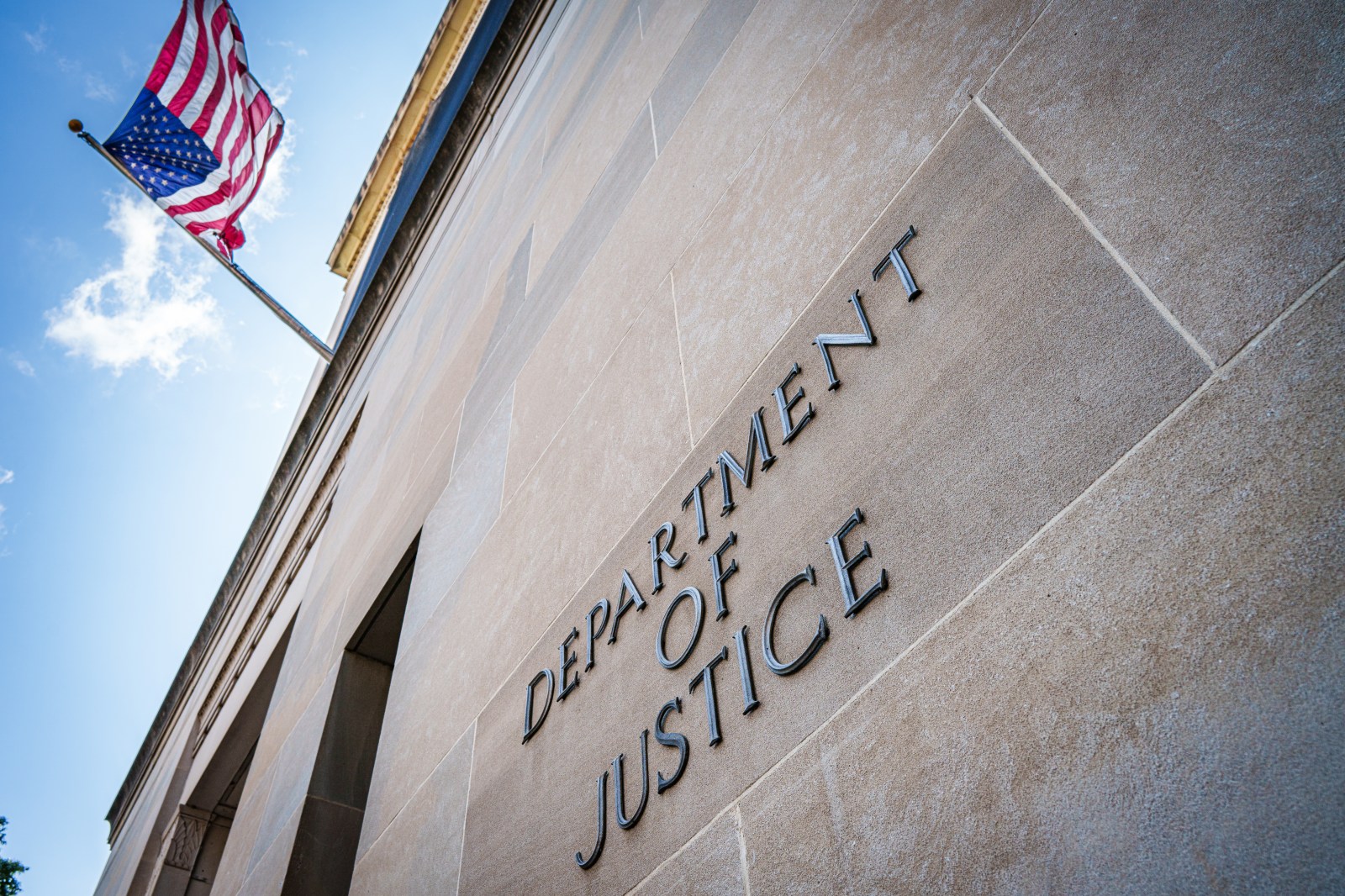
The U.S. Department of Justice has announced a proposed change that could significantly alter the process for survivors of human trafficking when obtaining green cards. Published in the Federal Register by the DOJ’s Human Rights and Special Prosecutions Section, the proposal aims to create a formal system for T-visa holders to request certification letters related to criminal investigations.
This certification is vital for T-visa recipients. It could allow them to apply for lawful permanent residence before the typical three-year wait. The DOJ’s proposal introduces a standard process to request these certification letters for early adjustment of status.
Understanding T-Visas
T-visas permit eligible trafficking survivors to stay in the U.S. for up to four years. Normally, T-visa holders must wait three years to apply for permanent residency. However, they may apply sooner if the attorney general or designated official certifies that their related investigation or prosecution is complete.
According to U.S. Citizenship and Immigration Services, applicants for T nonimmigrant status must demonstrate:
- They were trafficked through force, fraud, or coercion.
- They are in the U.S. or at a U.S. port of entry due to trafficking.
- Their removal would cause severe harm.
- They have helped law enforcement with trafficking investigations.
Minors and certain trauma survivors are exempt from the requirement to cooperate with law enforcement.
Impact on Green Card Applicants
Adam Klein, former Department of Homeland Security official and co-founder of Globali.ai, noted that the proposal might have mixed effects. It could streamline applications by creating a clear process, speeding up approvals and reducing uncertainty. However, formalized discretion could also introduce additional barriers due to new procedural requirements.
The proposal does not alter the eligibility criteria but seeks to standardize the certification request process.
Potential Impact
The notice estimates about 2,000 annual requests, with each application taking around three hours to complete. The affected group consists mainly of thousands of trafficking victims who have received T-visas.
The DOJ is open to public comments for 60 days concerning the new process. Feedback is sought on the necessity and possible improvements of the process. Klein emphasized that administrative processes often impact the timeliness and effectiveness of relief for trafficking survivors. By formalizing the certification process, survivors could experience real-world consequences regarding permanent residence access.
Klein indicated that the move reflects an effort to enhance consistency, as certification practices have historically varied between agencies and offices. The proposal seeks to standardize these practices and introduce a predictable process.
Next Steps
The public comment period ends on August 17. Klein suggests stakeholders should watch how much discretion remains, including which entities can issue certifications, the type of evidence required, and applicants’ options if requests are denied.
Leave a Reply