The Trump administration has intensified its efforts to tackle unemployment benefit fraud in the United States. The initiative, led by an anti-fraud task force, began in Massachusetts and has already resulted in 15 arrests. These arrests highlight the significant issue of identity theft by illegal immigrants, who allegedly use stolen identities to fraudulently access benefits like SNAP, disability, and Social Security. The administration’s goal is to aggressively prosecute individuals exploiting these essential programs.
Operation and Impact
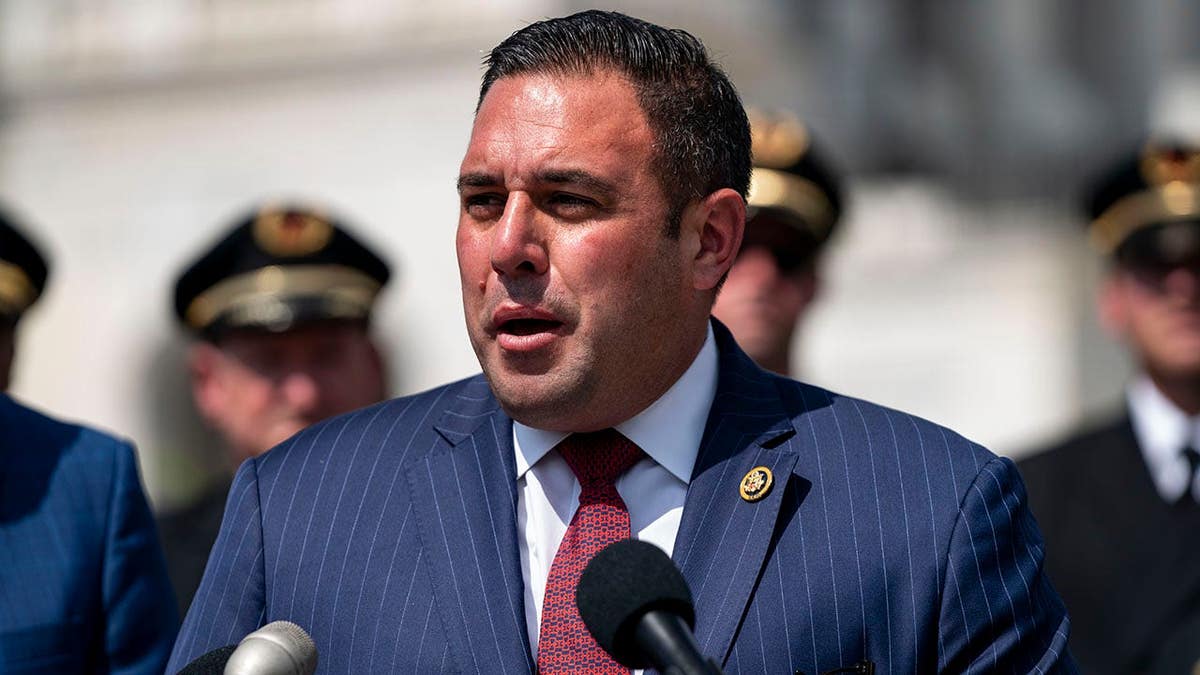
The Department of Labor’s Inspector General has raised concerns about a new type of scheme led by online scammers, known as ‘fraudfluencers.’ These individuals are known for flaunting their ability to exploit government programs and facilitate fraud for others, often taking a percentage of the illicitly obtained benefits. Inspector General Anthony P. D’Esposito has emphasized that this is a direct betrayal of law-abiding American citizens, stressing that fraud is theft of taxpayer dollars, not a mere trend.
Cases Highlighting Fraud
Britteny Egland, a contract employee from California’s Employment Development Department (EDD), publicly solicited followers on social media to join her in fraudulent activities. Using insider information and stolen identities, she encouraged others to file fraudulent unemployment, grant, and rent relief applications. Her actions led to a theft of $2.8 million from government funds. Egland promoted these schemes openly, boasting about the substantial money on offer.
This isn’t just a crime — it’s a deliberate and public betrayal of every hardworking American who plays by the rules,said D’Esposito.
Egland’s case ended with her pleading guilty and receiving a sentence of 60 months in federal prison, accompanied by 36 months of supervised release. She was also ordered to repay the amount she stole. Her case underscores a growing trend where theft is glamorized and normalized on social media platforms.
Broader Patterns of Fraud
Other examples include Jonathan Dupiton from Atlanta, who promoted fraud through his podcast, leading to his conviction for a $3.8 million scam. Similarly, rapper Fontrell Antonio Baines, or ‘Nuke Bizzle,’ received a lengthy prison sentence for fraudulently claiming $788,000 during the COVID-19 pandemic. These cases show a growing misuse of platforms to boast about illegal activities, making it easier for authorities to track criminals due to their digital footprint.
The White House Task Force on Fraud, in coordination with the Department of Labor, aims to eliminate fraud and hold perpetrators accountable. The task force focuses on stopping taxpayer funds from being misappropriated by enforcing strict consequences for such crimes, signaling a strong stance against fraud in government programs.
Leave a Reply