The Federal Reserve maintained its interest rates on Wednesday, despite the 30-year fixed-rate mortgage reaching a peak not seen in nearly a year. This increase is driven by energy price hikes after the collapse of the U.S.-Iran ceasefire.
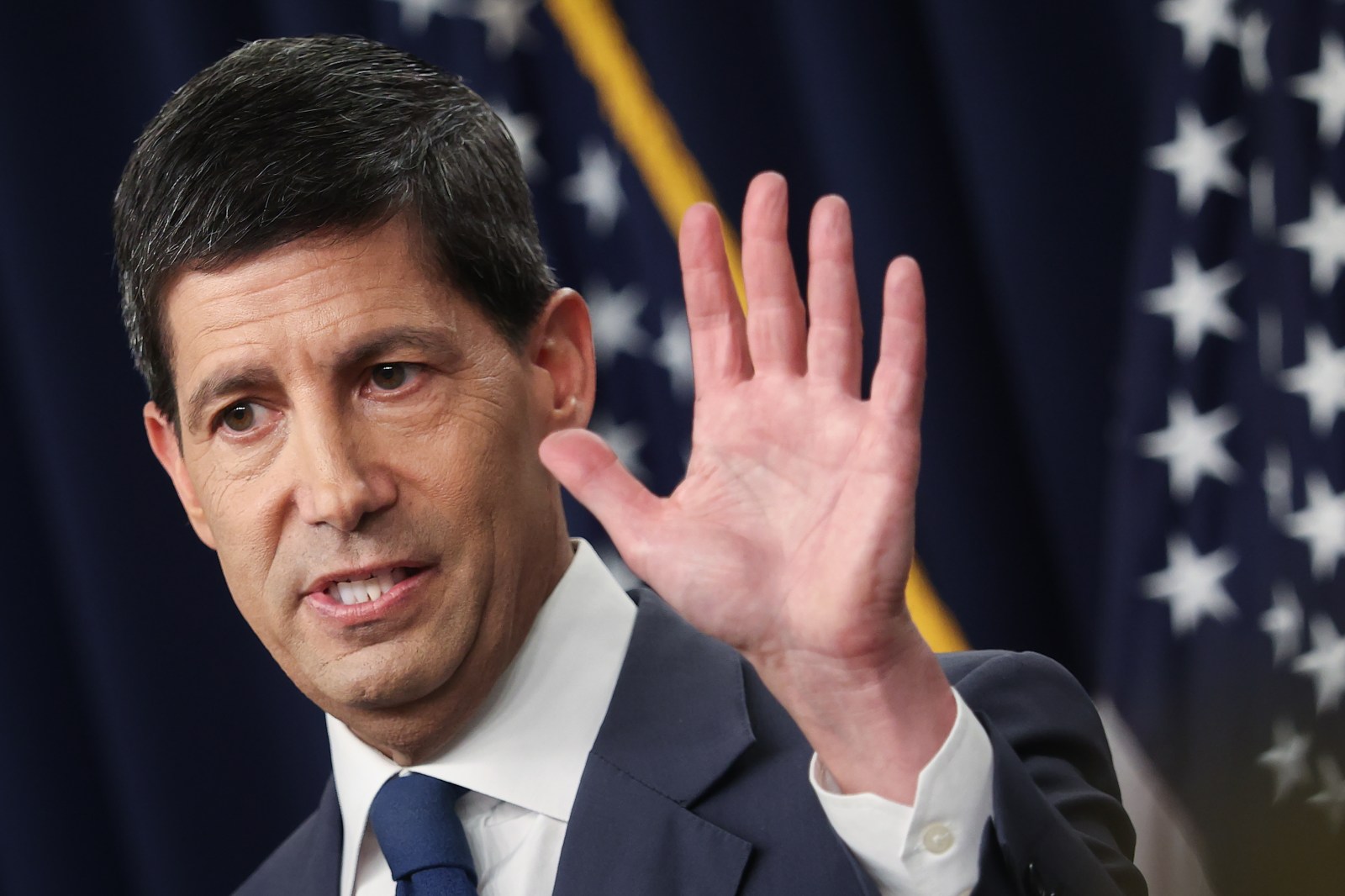
The central bank was expected to keep its benchmark interest rate between 3.50 percent and 3.75 percent. Three of the Federal Reserve’s 12 policymakers voted for a rate increase. President Donald Trump, a proponent of rate cuts, reaffirmed his support for the new chairman Kevin Warsh, calling him “a brilliant guy.” Trump acknowledged Warsh would favor lower rates but highlighted the political nature of the board influencing current decisions.
Analysts anticipate future rate hikes, impacting mortgages and the housing market. Although the Federal Reserve doesn’t directly set mortgage rates, their decisions heavily influence the rates lenders offer potential homeowners. Mortgage rates align with long-term Treasury yields, affected by federal funds rate decisions.
On Wednesday, Treasury yields hit a high since July 2007, with the 30-year Treasury bond yield increasing by 10.5 basis points to 5.201 percent. The conflict in the Middle East and ongoing oil market disruptions intensify fears of lasting inflation, pushing mortgage rates higher. The national average for a 30-year fixed-rate mortgage was 6.58 percent in the week ending July 23, according to Freddie Mac, while Bankrate reported a climb to 6.75 percent on Wednesday.
Future borrowing costs may rise, given continued Treasury yield increases post-Federal Reserve decision. As reported by CNBC, by Thursday morning, the 30-year Treasury bond yield rose by over 9 basis points to 5.236 percent.
“Oil and inflation remain the biggest drivers, and mortgage rates will likely need energy prices to settle and inflation to remain under control before they can move meaningfully lower,” said Jeff DerGurahian, Chief Investment Officer and Head Economist at loanDepot.
Future Outlook for Homebuyers
Inflation persists above the central bank’s 2 percent target, potentially escalating further if the Iran conflict continues, possibly ending the Federal Reserve’s rate pause streak by 2026.
A rate hike later this year could be the first since July 2023. “Inflation reports will be the Fed’s main focus between now and the September meeting,” stated DerGurahian. He noted that oil prices affecting core inflation would likely shape decisions post-September.
Rising mortgage rates pose challenges for borrowers and those looking to refinance, as rates could climb into the 7 percent range, straining finances.
Securing a mortgage rate now is advisable for those who can afford it, offering protection against future rate increases. Adjustable-rate mortgages present a more budget-friendly option, though they risk higher future rate resets. Currently, the 5-year adjustable-rate mortgage hit 5.98 percent last week, as noted by Reuters.
Experts suggest exploring multiple mortgage rates, which can save borrowers between 0.50 percent and 1 percent, according to Erin Sykes, Nest Seekers International’s Chief Economist, Real Estate Adviser, and Real Estate Agent.
Leave a Reply