Florida has reported its first dengue fever death in 2026. Dengue, a disease transmitted by mosquitoes, is spreading in parts of the United States. Nearly 2,000 cases have been recorded nationwide this year.
An 80-year-old woman in Hillsborough County died on September 4. She suffered from complications like septic shock and multiple organ failure after contracting the virus, according to the Tampa Bay Times. This death occurs during one of Florida’s largest dengue outbreaks in recent years. Health officials are also monitoring case numbers rising in several U.S. areas.
Understanding Dengue Fever
Dengue fever is a viral illness spread by mosquitoes, often causing flu-like symptoms. These include fever, headache, and severe joint pain. It is not usually fatal. However, severe cases can lead to life-threatening issues like shock, internal bleeding, and organ failure.
Dengue Fever in the US
The Centers for Disease Control and Prevention (CDC) notes the risk of widespread dengue in the continental United States is low. Most cases stem from individuals returning from countries with higher dengue levels.
This year, 1,927 dengue cases have been reported in U.S. states and territories. Puerto Rico has recorded 907 cases, and American Samoa 437, based on CDC data. Florida has the highest count among U.S. states with 332 reported cases. Over 150 infections in Florida were locally acquired, indicating residents contracted the virus within the state rather than abroad.
Dengue Fever Symptoms
Symptoms typically begin two to seven days after being bitten by an infected mosquito. Common symptoms are fever, headache, pain behind the eyes, muscle pain, nausea, vomiting, and rash, as the CDC states. About one in four infected individuals will become sick, generally recovering within a week.
Severe dengue symptoms include intense stomach pain, persistent vomiting, bleeding from the nose or gums, blood in vomit or stool, and extreme fatigue.
Current Outbreak Situation
The virus spreads through mosquitoes common in Florida, driven by warm weather, according to the CDC. Recent outbreaks relate to the state’s warm temperatures. These conditions help increase mosquito populations and create environments for outbreaks.
“We are seeing warmer temperatures and lots of rain. This gives these mosquitoes plenty of places to breed. They don’t need a puddle or a pond. All they need is water sitting in a flowerpot, bucket, tire, or other small container to breed,” Kristi Miley, a researcher at the USF College of Public Health, mentioned in an article for USF Health.
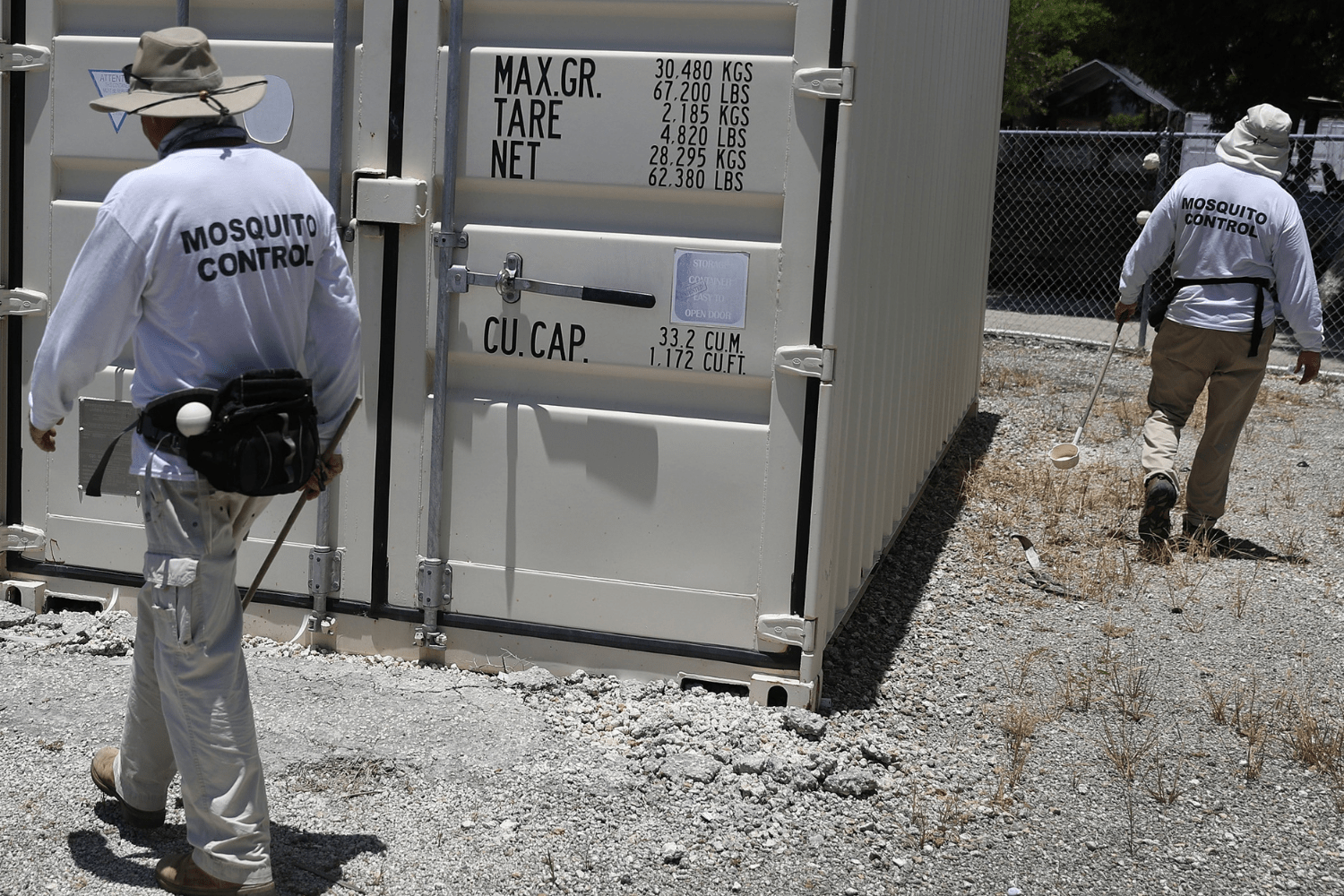
Authorities in Hillsborough County have ramped up mosquito-control efforts. These efforts include spraying and monitoring mosquito populations. While recent surveillance suggests transmission might be slowing, residents are urged to continue taking precautions against mosquito bites.
Leave a Reply