In Berlin, as the markets are alive with the bounty of the harvest season, voters like pensioner Ute Istock note that the variety of apple choices mirrors the extensive options on the recent election ballots. This may not be entirely positive. Istock finds the voting environment complex, with the proliferation of parties making it challenging to establish effective governance.
Germany’s political landscape shows growing support for both far-right and far-left factions, causing concern among centrist voters who feel neglected by mainstream parties. Istock, now supporting the far-left Die Linke, reflects a broader sentiment of dissatisfaction with the centrist parties’ perceived disconnect from the electorate. She remarks on the confrontational nature of current voting patterns and the discomfort it brings, rung with echoes of Germany’s troubling past of extreme political fragmentation and economic instability.
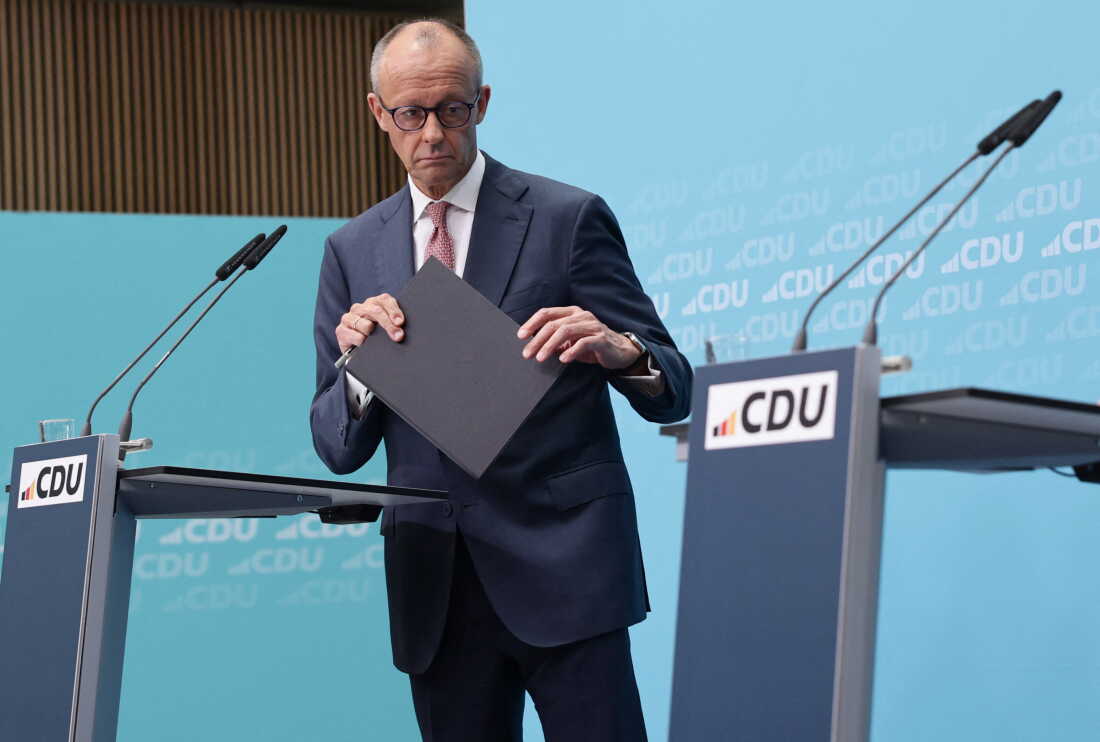
Chancellor Friedrich Merz of the center-right Christian Democratic Union (CDU) faces these challenges directly. Following the party’s poor results in Berlin and state elections, he addressed the decline in trust toward state institutions. Merz criticized both left-and right-wing radicals for exploiting this trust gap.
The CDU, alongside the center-left Social Democrats, forms Germany’s current coalition government. The partnership highlights the decreasing distinctions between these once diverse parties, leading to reliance on slim majorities. Social Democrat Matthias Mirsch points out the difficulties in governance amidst stark divisions and limited middle-ground in modern political discourse.
Maximilian Flügge, a communications advisor based in Berlin, attributes the narrowing political center to social media algorithms that promote divisiveness over nuance and compromise. Such an environment does not favor the political center, which is rooted in subtlety and negotiation.
Despite recent setbacks, Merz remains committed to proceeding with tax and welfare reforms aimed at revitalizing Germany’s economy. He acknowledges the need for emotional engagement in communicating these plans, beyond just citing data. Merz’s message contrasts sharply with that of the far-right Alternative for Germany (AfD), which attracts support by promising bold, sweeping change.
Merz has been vocal in condemning the AfD’s policy of “remigration,” likening it to ethnic cleansing. His critiques received mixed reactions, reflecting the stark divides in Germany’s current political climate. AfD leader Alice Weidel’s assertion that her party is becoming Germany’s new big tent party signals the shifting dynamics in German politics.
Leave a Reply