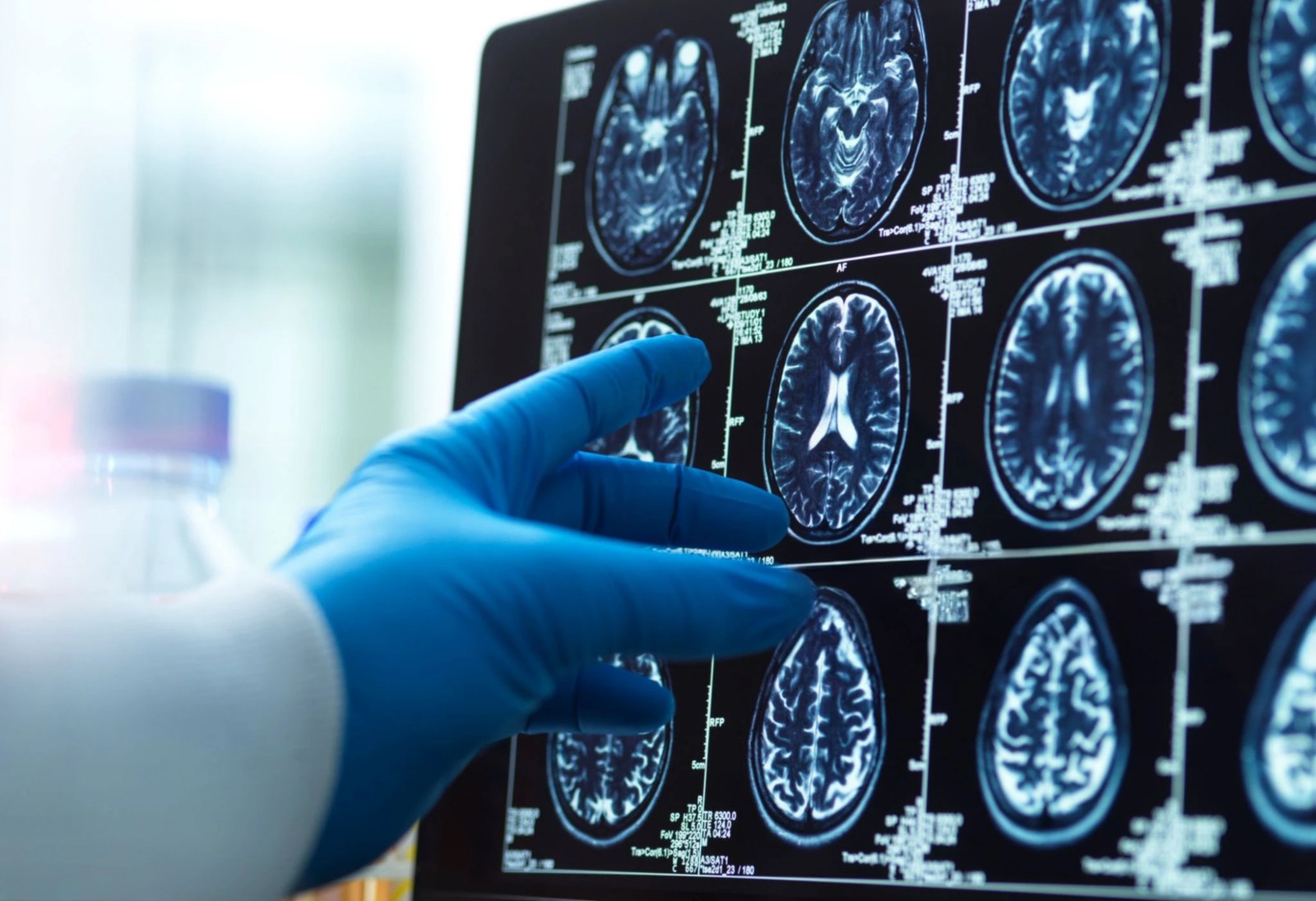
Recent research offers potential clues about why some individuals develop dementia while others remain unaffected by Alzheimer’s disease. A study published in Nature Medicine examined brain tissue from both cognitively impaired and healthy older adults, as well as centenarians. The study highlights the role of immune cells in the brain, particularly microglia, in influencing the disease’s progression.
Brain Immune Cells May Hold the Answer
Alzheimer’s disease is associated with the accumulation of amyloid plaques and tau tangles in the brain. However, not all individuals with these brain changes experience memory loss or develop dementia. Researchers from Vlaams Instituut voor Biotechnologie, KU Leuven, and Muna Therapeutics, in collaboration with the UK Dementia Research Institute, focused on microglia, which are immune cells that safeguard the brain. Their findings revealed differing microglial behaviors during Alzheimer’s development.
The study identified distinct stages of the disease. Initially, microglia enter an inflammatory state linked to amyloid plaques. These plaques are abnormal protein clumps disrupting cell functions. As the disease progresses, some microglia transition to another immune state associated with tau buildup and brain cell damage. This shift may be crucial in determining if Alzheimer’s-related changes lead to dementia.
Dr. Steve Allder, a consultant neurologist, emphasized that the research underlines the significance of maintaining a robust brain immune response, which may be as vital as removing amyloid plaques. Understanding these protective mechanisms could enable delaying or even preventing Alzheimer’s symptoms.
Varied Resilience to Alzheimer’s
The study also uncovered that not all individuals resistant to Alzheimer’s pathology exhibit the same immune responses. Some older adults with amyloid plaques but no dementia showed the early microglial inflammatory state without progressing to the later immune state. Meanwhile, healthy centenarians seemed to trigger the later immune response but did not link it to tau accumulation.
This implies resilience to Alzheimer’s may depend not only on avoiding the disease-related brain alterations but also on the brain’s response and adaptation to these changes. Professor Mark Fiers, the study’s corresponding author, suggested that further comprehension of the brain’s resistance can provide new therapeutic pathways to combat neurodegeneration and dementia.
The findings could steer future Alzheimer’s treatments toward targeting microglia and maintaining immune responses, rather than solely removing amyloid plaques. Niels Plath, chief scientific officer of Muna Therapeutics, expressed enthusiasm for exploring the causal role of microglial transitions and identifying novel approaches to delay or prevent disease progression.
Contact Newsweek editors for more information on this study: Charlotte Nisbet and Emma Lee-Sang.
Leave a Reply