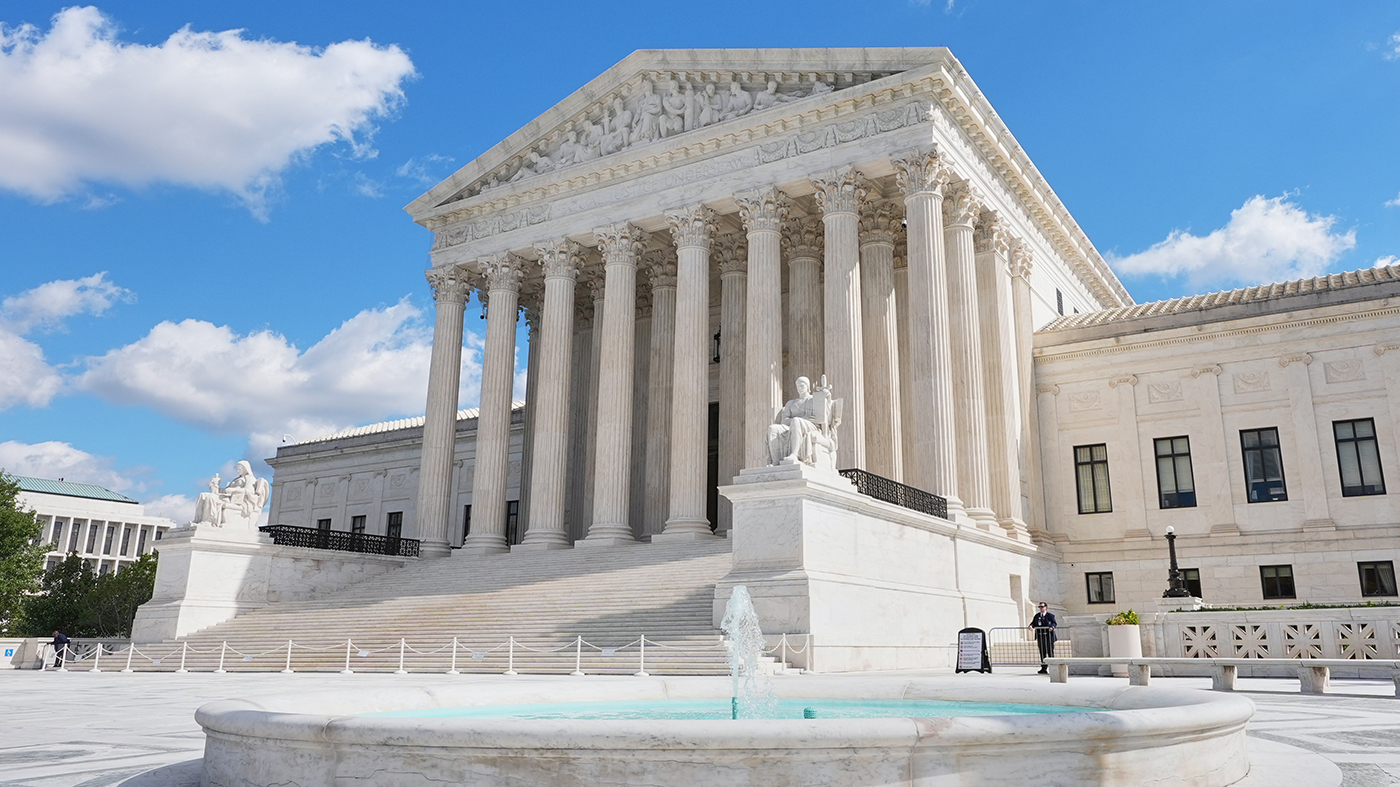
Every morning, I begin my day by saying goodbye to my son and husband as I leave for work. This daily routine relies on accommodations that have enabled me to pursue my legal career as a blind individual. These accommodations, such as a bar exam accessible to blind applicants, have been crucial. Without them, my journey as an appellate lawyer, including clerking at the U.S. Supreme Court and raising a family, would not have been possible.
Today, the Supreme Court is addressing a similar issue in the case of St. Mary Catholic Parish v. Roy. This case, handled by my law firm, the Becket Fund for Religious Liberty, questions whether Colorado can legally exclude Catholic preschools from a tuition assistance program. The program offers about $6,300 per year for pre-K children. Although the case centers on religious freedom, it touches on the concept of legal accommodations akin to those for disabilities.
Colorado permits schools to take part in its preschool funding program if they prioritize and accommodate children with certain disabilities like blindness or deafness. However, schools prioritizing and accommodating children with specific religious beliefs, such as Catholic or Evangelical preschools, face exclusion. Colorado claims that disabilities deserve special consideration, while religious beliefs warrant a flat denial.
As a blind Catholic, the boundaries of my conscience are as fixed as my vision limitations. Both disability and religion deserve recognition and accommodations to ensure fairness. Legal scholar Michael McConnell has highlighted the necessity of accommodations in providing equal treatment. Examples of disability accommodations include ramps and Braille signage; religious accommodations might involve providing kosher food or allowing religious dress in workplaces.
Historically, American society has granted accommodations, such as permitting Quakers to serve in non-military capacities during wartime or allowing sacramental wine during Prohibition. These are not indulgences but essential measures to honor human dignity. We address constraints on our fellow citizens, seeking to overcome or accommodate them, despite any challenges involved.
In the current case, Colorado discriminates by offering dignity to some citizens but not others. The state supports accommodations for children with disabilities but denies similar support to Catholic families, despite acknowledging the closure of Catholic preschools, which diminishes options for these families. Human dignity is a fundamental right and must extend to all, regardless of religious beliefs that Colorado may not endorse.
Laura Wolk Slavis serves as counsel at the Becket Fund for Religious Liberty.
Leave a Reply