In Damariscotta, Maine, artist Bailey Romaine and her partner Ed Vlcek are facing an uncertain future regarding the birth of their first child. The hospital they depend on for delivery might close its labor and delivery unit by December, meaning they would need to travel over an hour to the next nearest hospital. This closure could have severe implications, especially during peak blizzard times in January when roads are less safe.
This issue is not isolated. Across the United States, rural areas are experiencing a decline in available labor and delivery services, increasing birth risks. Over the past decade, 11 birthing units have shut down in Maine alone. One local group, Miles Delivers Action Coalition, is pushing back against these closures. The group is comprised of 10,000 supporters, rallying against MaineHealth’s potential decision to close their local birthing unit at the MaineHealth Lincoln Campus (Miles Hospital).
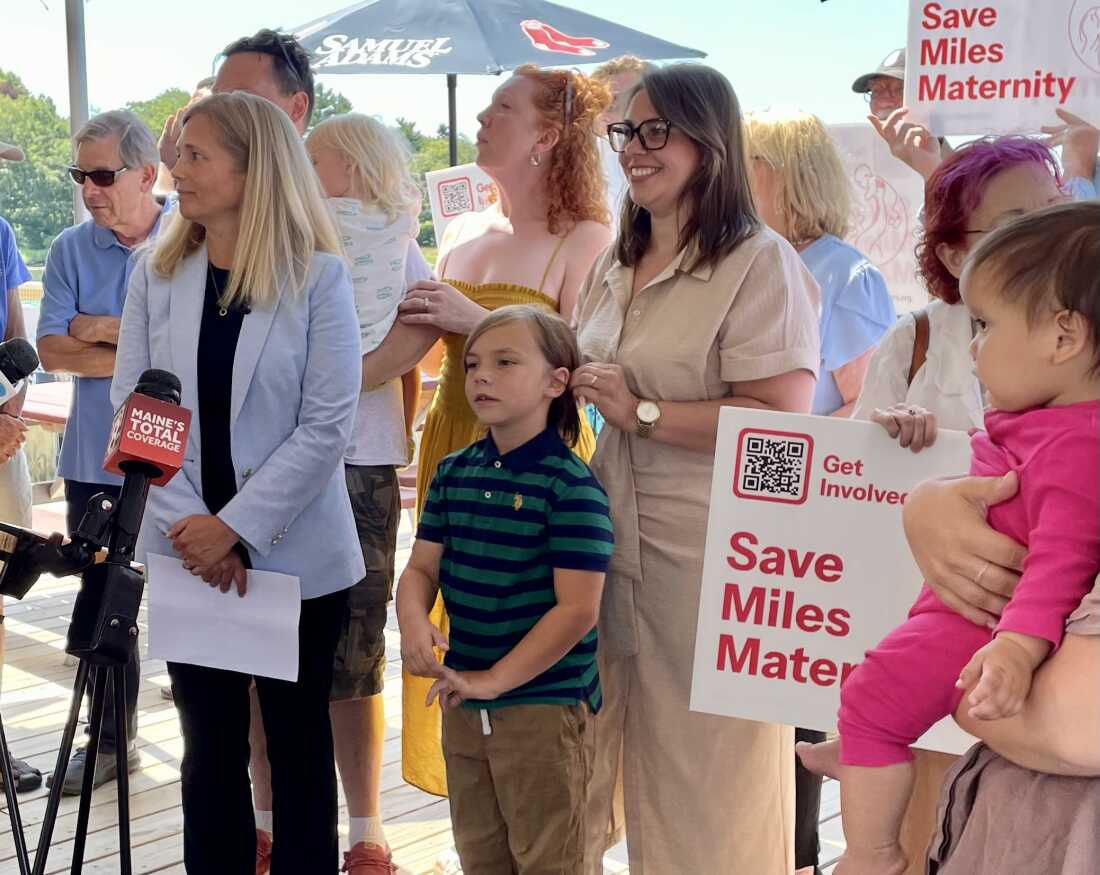
Founded in May, the coalition advocates to keep their birthing unit open. At a recent press conference, cofounder Margaret Reynolds emphasized the dire need for accessible labor services in the area. Alongside Democratic candidate Hannah Pingree, Reynolds highlighted the economic and healthcare implications of such closures, noting the challenges it poses to young families.
MaineHealth has cited a shortage of OB/GYNs since 2020 as the reason for considering closure. Meanwhile, the coalition remains vigilant in their efforts to preserve the facility, calling attention to a statewide maternity care crisis.
Rural areas and some urban locales are witnessing a troubling pattern of losing maternity services. Since 2020, approximately 150 rural birthing units have closed nationwide. Maine is among the fastest states losing maternity care. The coalition, formed by Reynolds, Moira “Rosie” Richards, and Leslie Wolf, sprang into action when they learned of the impending closure of the unit where Reynolds had her child, Gabriel.
To fight back, the coalition began brainstorming potential solutions. They collaborated with healthcare professionals and legislators to find sustainable staffing and funding options. They disputed MaineHealth’s lack of transparency, investigating the real financial situation. They discovered that Miles Hospital was more profitable than other hospitals within the MaineHealth system, countering the narrative that financial reasons were driving the closure.
MaineHealth CEO Dr. Andy Mueller cited staffing issues as the main concern. The coalition offered solutions by reaching out to willing OB/GYN professionals and designing sustainable staffing models. Despite these efforts, MaineHealth’s response has been less than enthusiastic. The health system suggested moving care to two other hospitals, claiming a mere 18-minute increase in travel time. However, the coalition argued that travel time would be significantly longer for many, particularly in adverse conditions.
Dr. Tim Goltz, a family physician at Miles, expressed his concern over potential maternal and infant fatalities should the unit close. Longer travel distances increase the risk of complications. The coalition continues their advocacy, criticizing MaineHealth’s CEO for not finding viable solutions. They filed a lawsuit seeking an injunction to halt any vote on terminating labor services. They also submitted a petition to enforce newly required rule-making for hospital closures, ensuring 120 days’ notice is given.
Leave a Reply