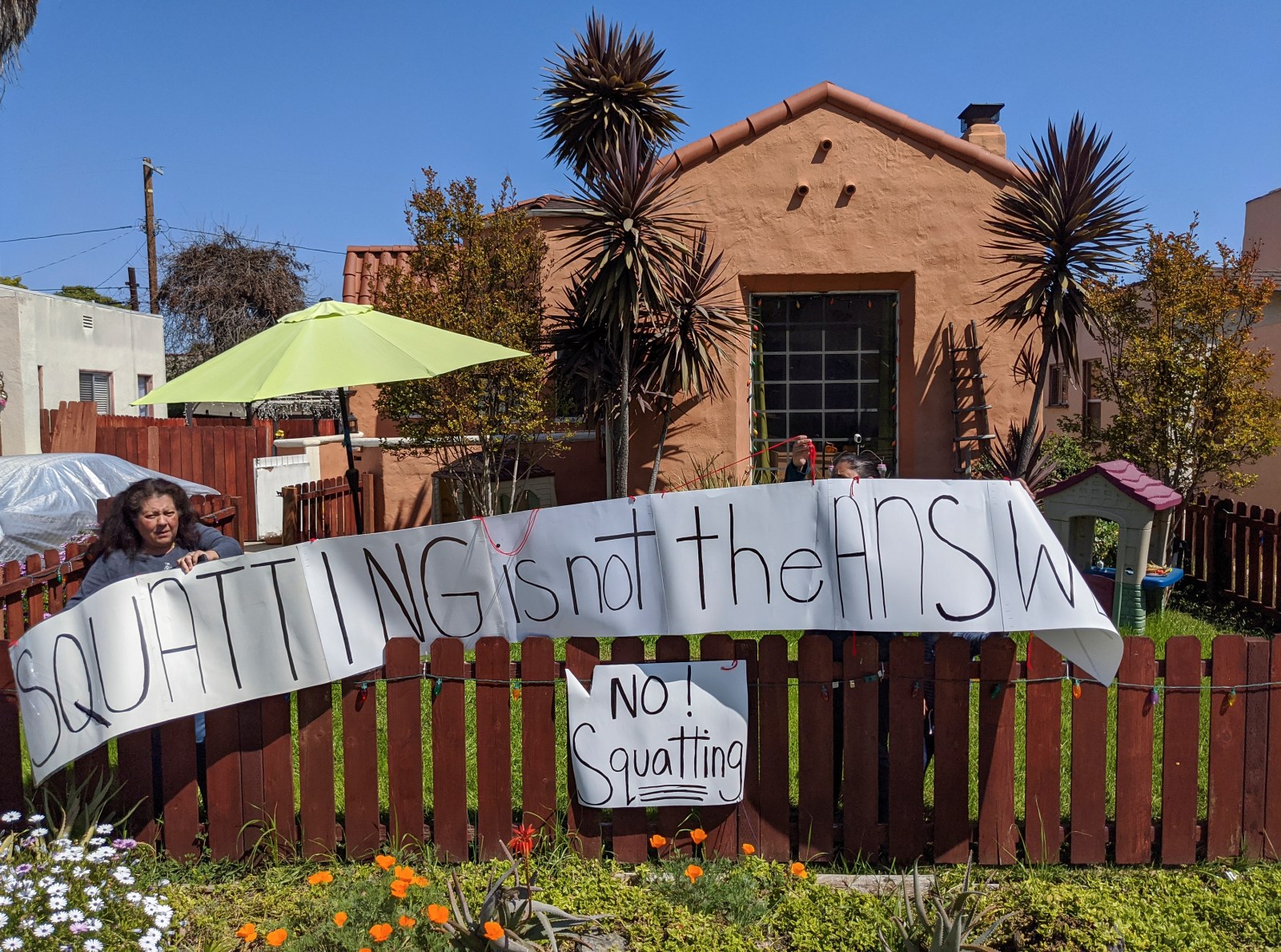
A Republican lawmaker from Maryland has proposed a state registry to track repeat squatters. This comes in response to several high-profile squatting incidents, emphasizing the need for law enforcement and property owners to identify individuals who repeatedly occupy homes without authorization.
Squatter Database Proposal
State Delegate Ryan Nawrocki, representing Baltimore County, explained the database should resemble a sex offender registry. These registries are government-run databases that document individuals convicted of specific sex crimes, requiring them to update their information regularly with law enforcement. They are often publicly accessible, allowing residents to search offenders by name or location.
Nawrocki highlighted that the proposed squatter registry wouldn’t target one-time offenders but those engaged in continuous squatting incidents. This would help law enforcement recognize known offenders when responding to property invasion reports.
Newsweek has reached out to Nawrocki for further comments on the proposal.
Recent Cases and Legislation
This initiative follows a recent incident in Baltimore County. Police encountered Germarcco Dante Trayham, aged 45, allegedly squatting in a newly renovated property. Trayham reportedly presented a lease to the officers. However, inconsistencies were found in the lease documents, such as incorrect addresses, phone numbers, and unverified landlord information.
Similar alleged behavior by Trayham occurred in January at another location. Maryland court records show Trayham has various convictions, including armed robbery, assault, theft, and firearm offenses.
Newsweek sought comment from Baltimore County Police regarding these incidents.
Legislative Responses to Squatting
In response to increasing squatting cases, lawmakers recently approved bipartisan legislation to address fraudulent leases used in such activities. Effective in October, the new law imposes felony charges with penalties of up to 10 years in prison for counterfeiting residential leases to defraud property owners.
Maryland doesn’t yet have a registry for squatters. In January 2025, Nawrocki introduced HB202 to criminalize organized squatting. He stressed its importance, stating families shouldn’t undergo prolonged civil court battles to reclaim their homes.
The bill didn’t pass, but concerns about squatting remain prevalent, echoed by housing groups and legislators. Though national squatting data is lacking, anecdotal reports indicate growing concerns.
A 2024 survey by the National Rental Home Council revealed over 1,800 homes occupied by squatters in several major metro areas. States like Florida, Georgia, and Tennessee have enacted laws to expedite squatter removal and enhance protections for property owners.
Rising housing costs, vacant properties, and lengthened eviction processes have amplified squatter issues, prompting increased attention from property owners and policymakers.
Contact Newsweek editors: Jenni Fink and Gray R. Thomas.
Leave a Reply