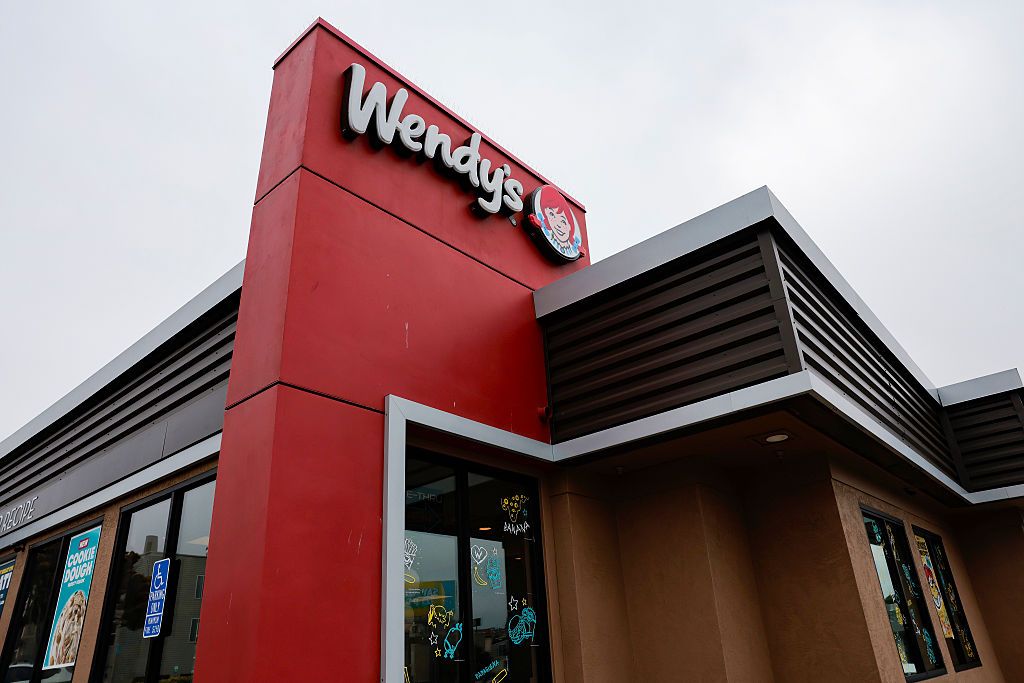
One of Wendy’s largest franchise operators in the U.S., Meritage Hospitality Group, has filed for Chapter 11 bankruptcy protection. The decision comes in response to escalating financial pressures linked to a prolonged sales decline at Wendy’s and increasing operational costs. As consumers cut back on spending while food and labor costs stay high, restaurant operators face growing challenges. Although Meritage assures that its restaurants will remain open during the bankruptcy proceedings, employees, franchise owners, and customers may still feel the impact.
Based in Grand Rapids, Michigan, Meritage Hospitality Group filed voluntarily for Chapter 11 protection in the U.S. Bankruptcy Court for the Western District of Michigan. The company aims to strengthen its financial position and establish a sustainable capital structure while maintaining operations. Meritage operates over 300 Wendy’s restaurants across 15 states, along with one Bojangles location and five independently branded restaurants.
Court filings estimate the company’s assets and liabilities at between $10 million and $50 million. Wendy’s franchise business is noted as the largest unsecured creditor, with a claim of approximately $24.9 million in deferred franchise fees.
This bankruptcy filing occurs as Wendy’s faces challenges such as diminishing traffic, increased discounting, and higher commodity prices. Meritage executives have reported that store-level EBITDA fell by 48% in 2025, with rising beef prices and heightened promotional activities affecting profitability.
Wendy’s responded to the situation by stating, “Our focus remains on serving our customers, supporting our franchise system, and strengthening the long-term health of the brand. We work closely with franchisees experiencing challenges to support them and evaluate each situation to find the best and most sustainable path forward.” Newsweek also reached out to Meritage Hospitality Group for comment.
Understanding Meritage Hospitality
Meritage Hospitality Group stands as one of the largest franchise operators within the Wendy’s system. Founded in 1986, the company initially owned hotels before transitioning into the restaurant business by acquiring its first 28 Wendy’s locations in Michigan in 1998. Over the next two decades, Meritage expanded rapidly, opening new stores and acquiring existing ones, resulting in approximately 375 Wendy’s restaurants by 2023.
Beyond Wendy’s, Meritage launched the Morning Belle brunch chain and diversified into several independent restaurant brands. However, this expansion strategy left the company heavily reliant on Wendy’s corporate performance. The bankruptcy announcement revealed that system pressures affecting Wendy’s significantly impacted Meritage because most of its portfolio operates under the brand.
Currently, the company employs about 9,000 people and plans to continue paying wages and benefits during the restructuring, pending court approval. Meritage stated that it operates 314 Wendy’s restaurants across 15 states, plus one Bojangles restaurant and five independent concepts. Its operations stretch across Michigan, Florida, North Carolina, Texas, Oklahoma, Ohio, Indiana, Tennessee, Virginia, Georgia, Connecticut, Massachusetts, Arkansas, Mississippi, and Missouri.
Despite its recent setbacks, Meritage remains one of the largest Wendy’s franchisees in the U.S. Previously, it had expanded to nearly 375 Wendy’s locations before resizing its footprint. In Michigan alone, Meritage runs over 50 Wendy’s restaurants and several Morning Belle locations. It also owns 13 Wendy’s restaurants in Oklahoma County. Bankruptcy filings have not specified any particular locations that could be affected by restructuring.
Meritage has stated in a press release that all of its restaurants intend to stay open during the Chapter 11 process.
Implications for Wendy’s Restaurants
The bankruptcy filing concerns Meritage Hospitality Group, not Wendy’s as a company. Neither court filings nor company announcements suggest that all Wendy’s restaurants operated by Meritage will close. The company has repeatedly indicated its intention to keep restaurant-level operations ongoing and serve customers throughout the Chapter 11 proceedings.
Chapter 11 bankruptcy generally permits businesses to reorganize debts while continuing operations. Many restaurant companies use this opportunity to restructure leases, refinance obligations, or negotiate with creditors without closing altogether. However, bankruptcy often involves portfolio reviews that might lead to underperforming locations being sold, transferred, or closed. No widespread closures have been announced at present.
Industry Implications of Meritage’s Bankruptcy
The bankruptcy filing raises questions about whether Meritage faces company-specific woes or broader challenges plaguing the restaurant industry nationwide. Michael Ryan, a financial educator, noted that this situation “reflects broader restaurant industry stress,” though Meritage also faces “some Wendy’s specific problems.” He emphasized industry-wide profitability concerns, highlighting that “42% of restaurant operators said they weren’t profitable in 2025,” even with strong restaurant sales overall.
Ryan explained that restaurants are “squeezed from both directions.” With ground beef costing over $7 per pound in August, restaurants can’t always pass these increases to consumers, leading customers to prefer home-cooked meals over dining out. Franchise economics can amplify these pressures since royalties are based on sales, not profit. Thus, when traffic diminishes and brands respond with promotions, operators may suffer margin losses but still owe fees on remaining revenue. He also mentioned that Wendy’s franchise business was Meritage’s “largest unsecured creditor,” owed nearly $25 million in deferred fees.
Alex Beene, a financial literacy instructor at the University of Tennessee at Martin, noted that fast-food prices have become challenging for consumers, given broader inflation pressures. He said fast-food chains find themselves in a “difficult middle ground of pricing,” being more expensive than many grocery stores and sometimes only slightly cheaper than formal restaurants. This pricing makes it hard to attract customers who are low on cash.
Kevin Thompson, CEO of 9i Capital Group, observed that Meritage’s bankruptcy results from both industry conditions and company-specific hurdles. He said, “Higher interest rates increase borrowing costs, particularly for heavily leveraged franchise operators, while higher input costs continue to compress margins.” Thompson suggested that additional distress among restaurant operators could emerge as these challenges persist.
Leave a Reply