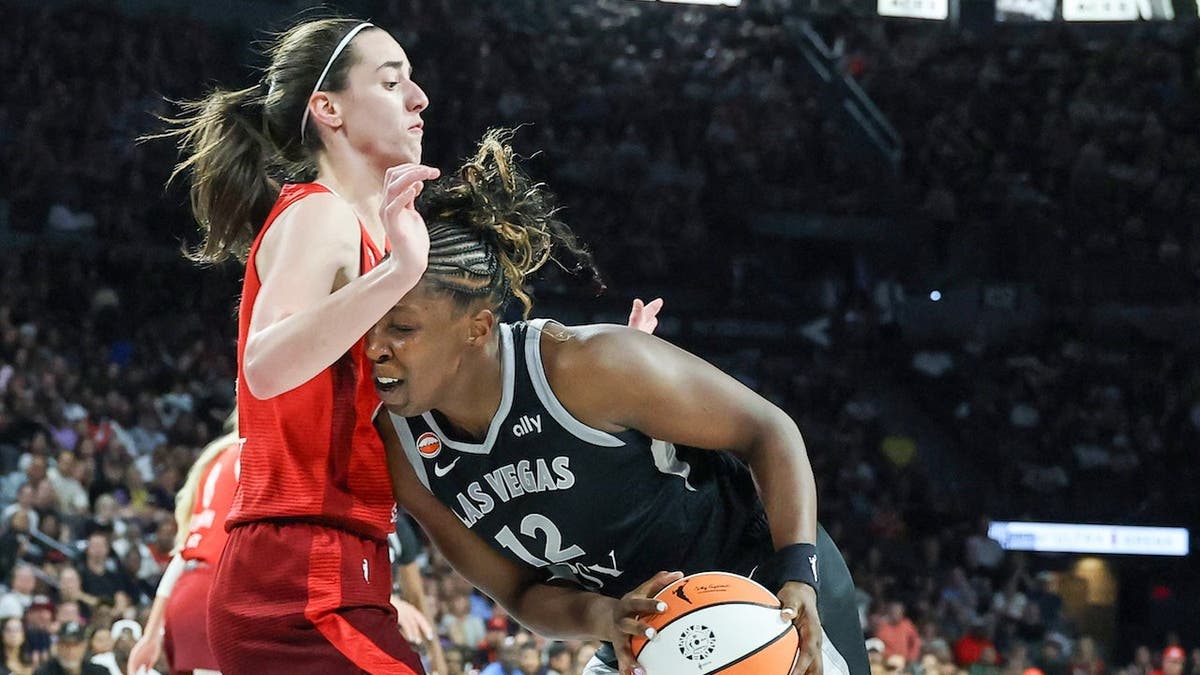
On Tuesday, Hilton Grand Vacations announced the termination of an employee who allegedly sent a racist message to Las Vegas Aces guard Chelsea Gray on social media. A day prior, Gray had shared an image of the message on Instagram, writing, “People act like we just make this stuff up.” She expressed her frustration at being told to “shut up and dribble.”
Hate and harassment online are unfortunate realities. Most public figures experience this in some form, as do WNBA players, who often highlight the abuse they face. While dealing with online trolls can be challenging, public figures like Gray publicize these interactions as part of their response, seeking to shed light on the issues despite claims to the contrary.
“Pretty much daily I get some sort of racist attack via social media DM,” sportswriter Jason Whitlock posted on X.
A search of various high-profile names like Caitlin Clark, Taylor Swift, and Patrick Mahomes shows similar patterns of hate, highlighting the widespread nature of the problem. Public figures often understand that trolls seek attention, and many choose to ignore the negativity. Conversely, WNBA players tend to bring attention to these comments, prompting discussions about league protection.
Alyssa Thomas has spoken about the need for improved player safety, urging action from WNBA Commissioner Cathy Engelbert. However, questions remain about what the league can do to control anonymous trolling effectively. Recent incidents demonstrate that when threats become credible, teams and players do seek proper legal channels, as Caitlin Clark’s case from last year illustrates.
Online fame brings both benefits and drawbacks. Many public figures recognize this, but some WNBA players appear to resist the realities of fame’s darker side. These athletes garner attention for their concerns but also face criticism for highlighting abuse they claim to be a victim of unnecessarily.
The challenges faced by figures like ESPN’s Mina Kimes show that many career paths bring scrutiny; however, stepping away from the spotlight is an option not everyone is willing to pursue. Having celebrities constantly react to trolls grants these individuals a platform, inadvertently validating their hurtful messages.
If companies like Hilton regularly fire employees over online conduct, significant changes in the workforce could follow. The path to disempowering trolls lies in ignoring them, diminishing the influence of their words. For public figures, developing the resilience to ignore online negativity could offer a more effective solution.
Leave a Reply