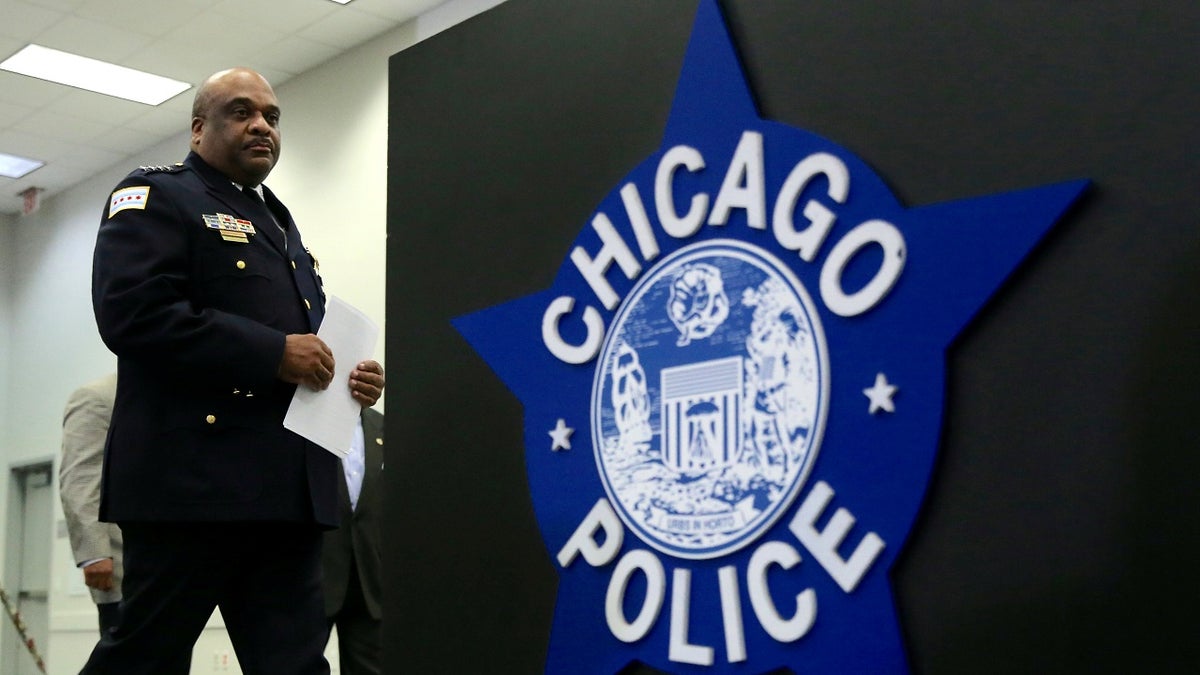
Recently, I invited Chicago police officers to visit Project H.O.O.D., my community center, to mend the rift caused by the defund the police movement. In my South Side neighborhood, apprehension towards police is prevalent, particularly among children who have learned to see officers as adversaries.
The officers arrived in uniform, and the initial tension was undeniable. Children hid, and some adults stood defiantly. This discord is a legacy of the defund the police movement that ingrained fear and distrust in our youth over the years. For many, this sense of hostility is all they have known.
Following Trayvon Martin’s tragic death in 2012, the phrase “Black Lives Matter” gained prominence, and the anti-police narrative grew. Incidents like Michael Brown’s death in Ferguson further cemented negative perceptions of police actions. Nationwide, police were depicted as an occupying force rather than community protectors.
A tragic impact of the defund movement was fewer officers and a generation distrustful of those sworn to protect them.
When George Floyd died in 2020, calls to reduce police presence intensified. During protests, some communities demanded police abolition rather than improved training. The need for police reform was replaced by dangerous rhetoric that we knew would inevitably hurt us, not those in suburbs with “Black Lives Matter” banners.
In 2020, Chicago faced 781 homicides, escalating from 500 the previous year. By 2021, the number rose to 804—Chicago’s most lethal year in 25 years. Police morale declined amid reduced staffing and relentless criticism of their profession. The outcome was not hypothetical; it was evidenced by increasing funerals in our most vulnerable neighborhoods.
Defund the police proponents have not acknowledged the detrimental impact of their rhetoric. The true cost was borne by communities like ours. My focus now is on the living, primarily the youth who were warned never to seek police help. At Project H.O.O.D., we focus on changing this narrative.
Bringing officers to our center allows children and teens to see them beyond the uniform. Officers engage in conversations, answer questions, and share stories, showing that the badge represents a community commitment. Some youths have shifted their perspective, even expressing interest in policing careers.
The process of building trust is gradual. It occurs conversation by conversation in our building, rejecting the falsehoods of the past decade to shape a better future. Recognizing police as allies rather than enemies must be our path forward.
Pastor Corey Brooks, known for his rooftop vigils, is the founder of New Beginnings Church of Chicago and CEO of Project H.O.O.D. More information is available at ProjectHOOD.org.
Leave a Reply