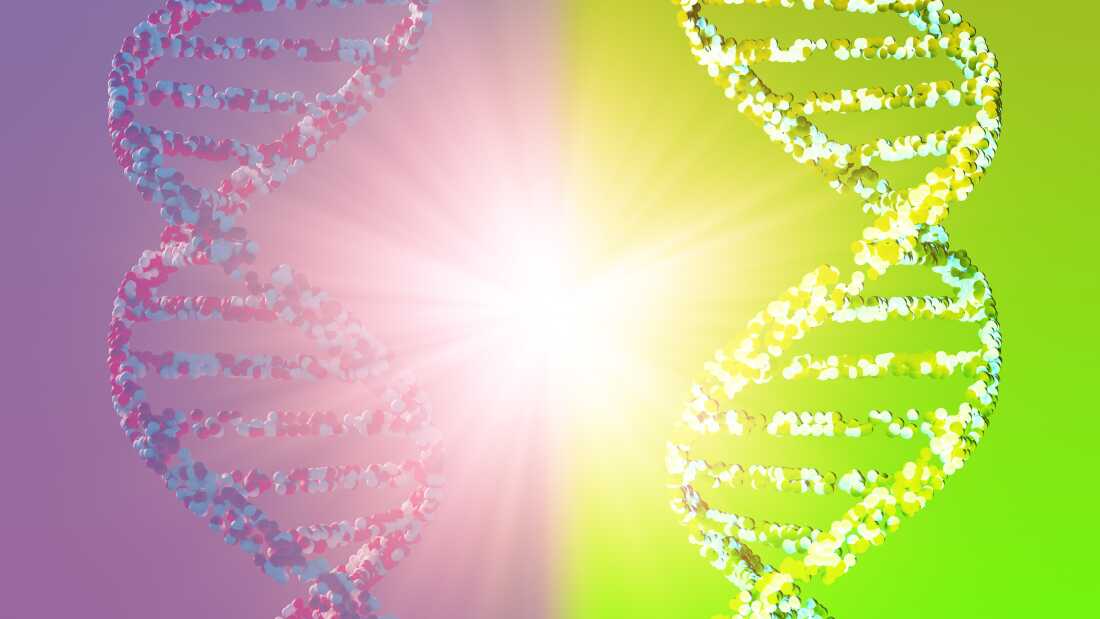
Scientists today can produce mirror molecules in laboratories, though creating entire mirror cells remains at least a decade away. These mirror cells could pose threats to life on Earth. The research community focuses on molecular differences, with life on Earth characterized by DNA twisting right, whereas proteins in organisms prefer left-handed configurations. The life as we know it depends entirely on this specific chemistry.
In recent years, advancements have pushed the idea of a mirror life form closer to reality. However, several scientists have expressed concern regarding this potential development. A technical report spanning 299 pages was published calling for caution—to pause this scientific pursuit.
On an episode of the Tech Camp series, host Regina Barber engages in a discussion with Carl Zimmer, a science reporter at The New York Times, who sheds light on the risks involved with mirror cells. This conversation focuses on the possible catastrophic ramifications for Earth’s life forms.
“The assembly of mirror cells remains a sophisticated challenge, leaving some worried about unforeseen consequences.” – Carl Zimmer
For insights into other contentious research, listeners are invited to email the series at [email protected].
Engage with public media through NPR+ for experiences in over 25 podcasts. Benefits include enjoying content without sponsor interruptions. Details can be found at plus.npr.org. Access the Short Wave podcast on platforms like Spotify and Apple Podcasts.
This episode was created with efforts by Jessica Yung and Berly McCoy, directed by showrunner Rebecca Ramirez. Fact-checking was performed by Tyler Jones, while Kwesi Lee managed audio engineering.
Leave a Reply