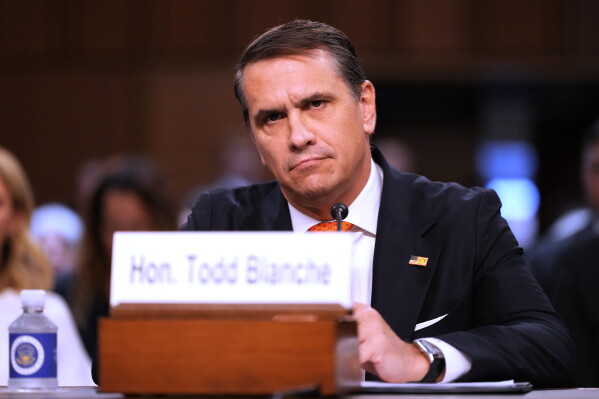
Todd Blanche, in his efforts to secure support from Republican senators for his confirmation as attorney general, has retracted a $1.8 billion fund meant for President Donald Trump’s political allies. Despite this move, an audit immunity plan related to Trump and his family remains intact, albeit with modifications.
Blanche clarified in a document sent to lawmakers that the audit immunity applies only retroactively. It will not shield the president from scrutiny of future tax returns, addressing concerns raised by some GOP opponents. These assurances appear sufficient to advance Blanche’s confirmation process, although the underlying agreement concerning Trump’s taxes has caused bipartisan disapproval.
The initial audit deal included an immunity provision for Trump and his close associates, related to a lawsuit against the IRS over his leaked tax returns. The agreement sparked outrage due to a proposed $1.8 billion fund. The revised deal narrows audit protections to cover only Trump, his sons, and the Trump Organization, potentially absolving them of over $100 million in taxes, according to previous reports.
U.S. District Judge Kathleen Williams, who presided over Trump’s lawsuit against the IRS, found the lawsuit had an “improper purpose.” While not invalidating the tax immunity deal, she questioned its legitimacy as a legal settlement.
Concerns persist regarding the legality of the immunity agreement, which some experts argue might violate IRS statutes designed to prevent executive interference. These protections were bolstered after the Watergate scandal to maintain taxpayer privacy.
Despite Blanche’s assurances, legal experts and some lawmakers fear the $1.8 billion fund might still be revived. Trump indicated possible support for the fund on his Truth Social platform, fueling skepticism about its permanent withdrawal. Blanche maintains the administration does not pursue the fund, but critics argue it warrants legislative action to ensure its definitive removal.
The lack of transparency and continued uncertainties highlight the need for congressional action to address these issues and restore confidence in the fairness of the tax system.
Leave a Reply