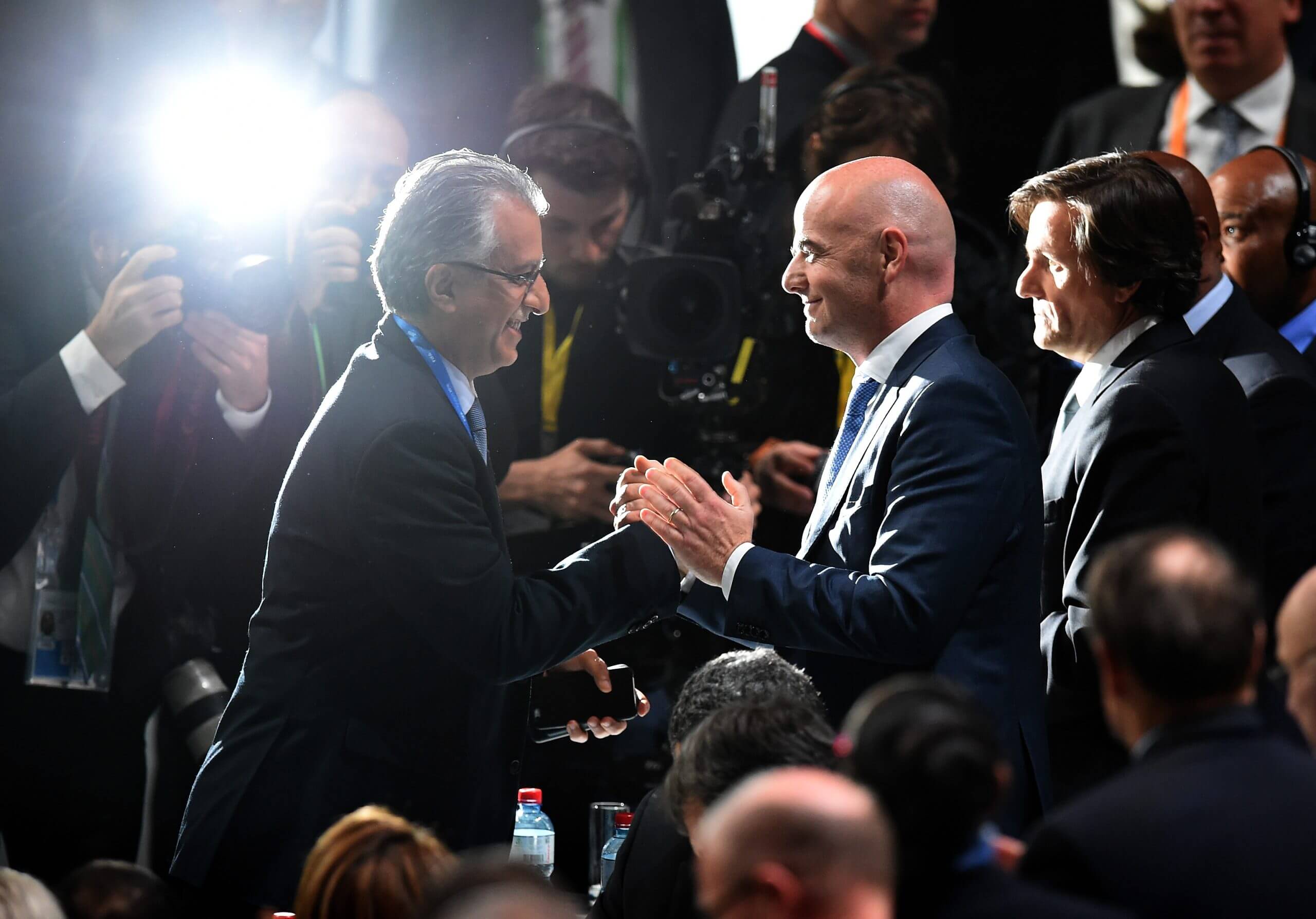
Gianni Infantino closed the 2026 FIFA Congress in Vancouver with significant news. He announced his intention to stand for re-election as FIFA president, aiming for a third and final full term until 2031. Many expected him to run unopposed.
Infantino has faced challenges after attempts to sell a stake in FIFA’s commercial operations to an investment fund. UEFA and others have lost confidence in his leadership. Some key allies have withdrawn their support.
The re-election, initially anticipated to proceed smoothly, now seems uncertain. FIFA’s presidential election, set for March 17, faces potential changes.
FIFA’s Presidential History
FIFA has had a limited number of presidents since its first, Robert Guerin, in 1904. Infantino is only the ninth president and the third since the 1970s, following Joao Havelange and Sepp Blatter. Blatter’s exit over corruption allegations led FIFA to cap presidential terms at 12 years in 2016. Infantino, however, may extend his term by another three years, arguing his initial term shouldn’t count against the cap.
FIFA elections occur every four years after a men’s World Cup. Infantino was re-elected without a vote in 2019 and 2023 due to widespread support. The last competitive election was in 2016, where Infantino outperformed opponents to succeed Blatter.
Election Process Details
A FIFA presidential election lasts a year, from one Congress to the next. Candidates must have a recent active role in football and pass eligibility checks. They must secure support from at least five member associations by the November 18 deadline.
One association can support only one candidate. Infantino initially claimed support from 200 members. However, recent events have led to member associations, like Wales and England, withdrawing support.
To win, a candidate needs over 50% of votes from 211 associations. All vote equally, regardless of the association’s size. Infantino’s former method of appealing to smaller nations faces challenges as UEFA and others express discontent.
UEFA, alongside the AFC and Concacaf, oppose Infantino’s leadership. These groups could influence the election outcome, even though some members like Qatar continue to support him.
Elections with more than two candidates require a two-thirds majority in the first round. Successive rounds continue until a majority is achieved. Infantino won in 2016 after two voting rounds.
Concacaf president Victor Montagliani might challenge Infantino, signaling shifts in the leadership landscape.
Upcoming Presidential Election
The 2027 presidential vote is scheduled for March 18 in Morocco. This choice of venue is significant for both Morocco’s ambitions for the 2030 World Cup and Infantino’s support among African nations. Previous elections, such as in Kigali in 2023, showed Infantino winning by acclaim.
The election’s timing could change. FIFA’s Council may call an emergency meeting if discontent grows among its 37 members or if a fifth of member associations demand it. UEFA alone could initiate such proceedings, potentially leading to a vote of no confidence.
While Infantino might once have felt secure, the coming weeks could redefine his leadership and FIFA’s future.
Leave a Reply