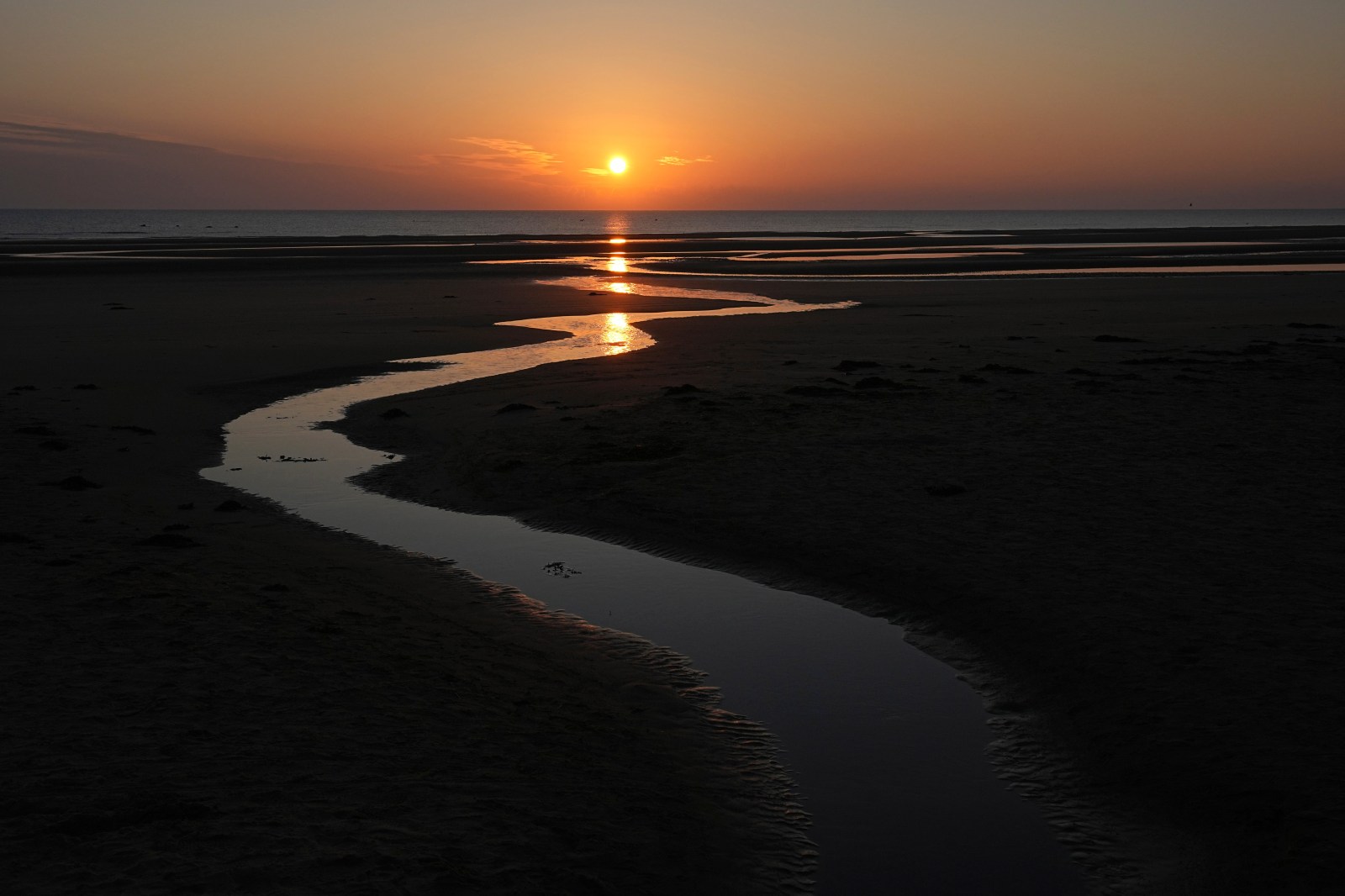
The beaches of Normandy, known for the pivotal D-Day invasion during World War II, have been added to the UNESCO World Heritage List. This prestigious recognition places Normandy alongside other culturally significant sites, including Greece’s Mount Olympus.
UNESCO World Heritage Committee Decisions
During a recent meeting in Busan, South Korea, the UNESCO World Heritage Committee approved the designations. Delegates reviewed numerous nominations, acknowledging sites for their exceptional cultural, historical, or natural value. The new listings strive for long-term preservation.
Normandy’s Historical Significance
Normandy’s five landing beaches—Omaha, Utah, Sword, Gold, and Juno—and Pointe du Hoc were central in a monumental military operation. Over 150,000 Allied troops landed in Normandy on June 6, 1944, starting the campaign to liberate Western Europe from Nazi control.
The International Council on Monuments and Sites (ICOMOS) evaluated the nominations, noting the extensive evidence preserved at Normandy. This includes German defenses, landscape damage, harbor structures, and sunken vessels. ICOMOS emphasized the site’s importance for freedom and peace in Europe.
Challenges such as tourism, climate change, rising sea levels, and nearby development projects threaten these sites. Stronger monitoring and preservation are recommended to maintain historical integrity.
Ahlem Gharbi, France’s delegate to UNESCO, reflected on the significance of the Normandy landings as a shift toward a postwar order focused on peace. This recognition holds relevance amid global conflicts.
Historian David Edgerton highlighted the Normandy landings as possibly the greatest amphibious operation in history.
Mount Olympus Receives Recognition
Mount Olympus, Greece’s tallest mountain and mythical home of the Olympian gods, also earned World Heritage status. After 12 years of effort, Greek authorities secured this recognition.
Mount Olympus stands at 9,573 feet, notable for its unique mythology and ecology. Ancient Greeks revered it as Zeus’s throne, and it is now prized for biodiversity and protected ecosystems.
Local officials recognize the responsibility tied to UNESCO status. Evangelos Geroliolios, Dion-Olympus mayor, hopes it strengthens conservation and visitor management.
Greece’s delegate to UNESCO, Georgios Koumoutsakos, affirmed commitment to protecting Mount Olympus.
Japanese Capitals Inscribed
The ancient capitals of Asuka and Fujiwara in Japan’s Nara Prefecture joined the World Heritage List. This designation covers 19 archaeological sites from the sixth to eighth centuries, pivotal in Japan’s early state development and cultural exchanges with China.
Important remains include palaces, administrative buildings, temples, and tombs. Japanese authorities pledged to preserve these sites.
Prime Minister Sanae Takaichi expressed hope for increased regional tourism following the recognition.
Yoshiyuki Aihara, an Nara University archaeology professor, underscored the sites’ value in understanding Japanese state foundations.
South Sudan’s First World Heritage Site
South Sudan celebrated its first World Heritage Site with the Boma-Badingilo Migratory Landscape. This diverse area hosts a massive wildlife migration and supports local communities reliant on herding, agriculture, and fishing.
The designation is a milestone for South Sudan. It could foster international support for conservation amid regional challenges.
Why UNESCO Designations Matter
UNESCO World Heritage status includes cultural and natural site recognition. While funding isn’t automatic, it boosts global awareness, tourism, and preservation efforts.
This year’s additions illustrate UNESCO’s broad mission—from honoring historically defining moments, such as the Normandy landings, to acknowledging myths, archaeology, and ecological diversity.
The committee’s meeting in Busan continues, with more sites set for consideration. The newly designated locations now face the dual challenge of international recognition and future protection.
Leave a Reply