African and Caribbean Leaders Demand Reparations
African and Caribbean leaders have united in demanding reparations from countries benefiting from the transatlantic slave trade. During a conference in Ghana, these leaders adopted a comprehensive reparations plan, emphasizing the need for financial compensation, debt cancellation, and formal apologies.
Framework for Reparations
The reparations plan includes a 19-point framework. Key elements involve financial compensation, debt relief, the establishment of a Global Reparations Fund, and the return of looted cultural artifacts and ancestral remains. Additionally, the plan seeks reforms in international financial institutions, which supporters argue disadvantage Third World countries.
Presentation at UN General Assembly
African and Caribbean nations plan to present this proposal at the upcoming UN General Assembly. This marks a coordinated push for slavery reparations by these regions.
Conference Outcome
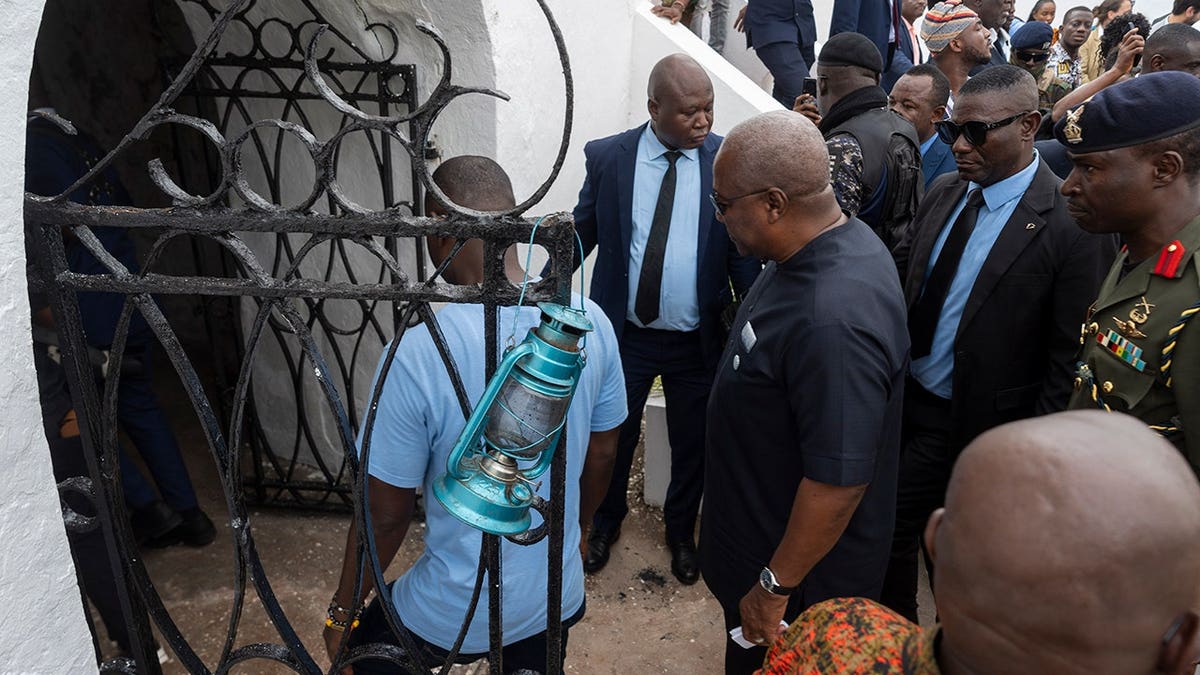
The African Union and Caribbean Community (CARICOM) Commission on Reparatory Justice finalized the plan at the end of a three-day conference in Ghana. Ghanaian President John Dramani Mahama expressed gratitude for the gathering, emphasizing historical responsibility over guilt.
Details of the Proposal
The proposal calls for debt cancellation and climate justice financing. It also advocates expanded citizenship pathways for Africans in the diaspora and a ‘right of return’ for descendants of enslaved Africans. Preservation of former slave forts and castles as memorial sites is encouraged.
Reparations advocates highlight the kidnapping of approximately 12.5 million Africans transported aboard European ships between the 15th and 19th centuries. They argue that the effects of slavery persist across Africa and the Caribbean.
UN Resolution on Slavery
A UN vote in March recognized the transatlantic slavery as the ‘gravest crime against humanity’. The resolution passed with 123 votes, but faced opposition and abstention from the U.S., Israel, and 52 other countries.
Concerns were raised by the United States and European Union, fearing the resolution could create a hierarchy among crimes against humanity.
International Support
The conference welcomed heads of state from Namibia, Liberia, Senegal, Barbados, and Sao Tome and Principe alongside officials from other countries. French President Emmanuel Macron addressed the gathering virtually, acknowledging the suffering caused by slavery.
Macron emphasized that reparations should not be seen as a mere payout to conclude historical injustices.
This collaborative effort in Ghana brought together separate reparations initiatives pursued by African and Caribbean nations, aiming to present a unified document at the United Nations.
Leave a Reply