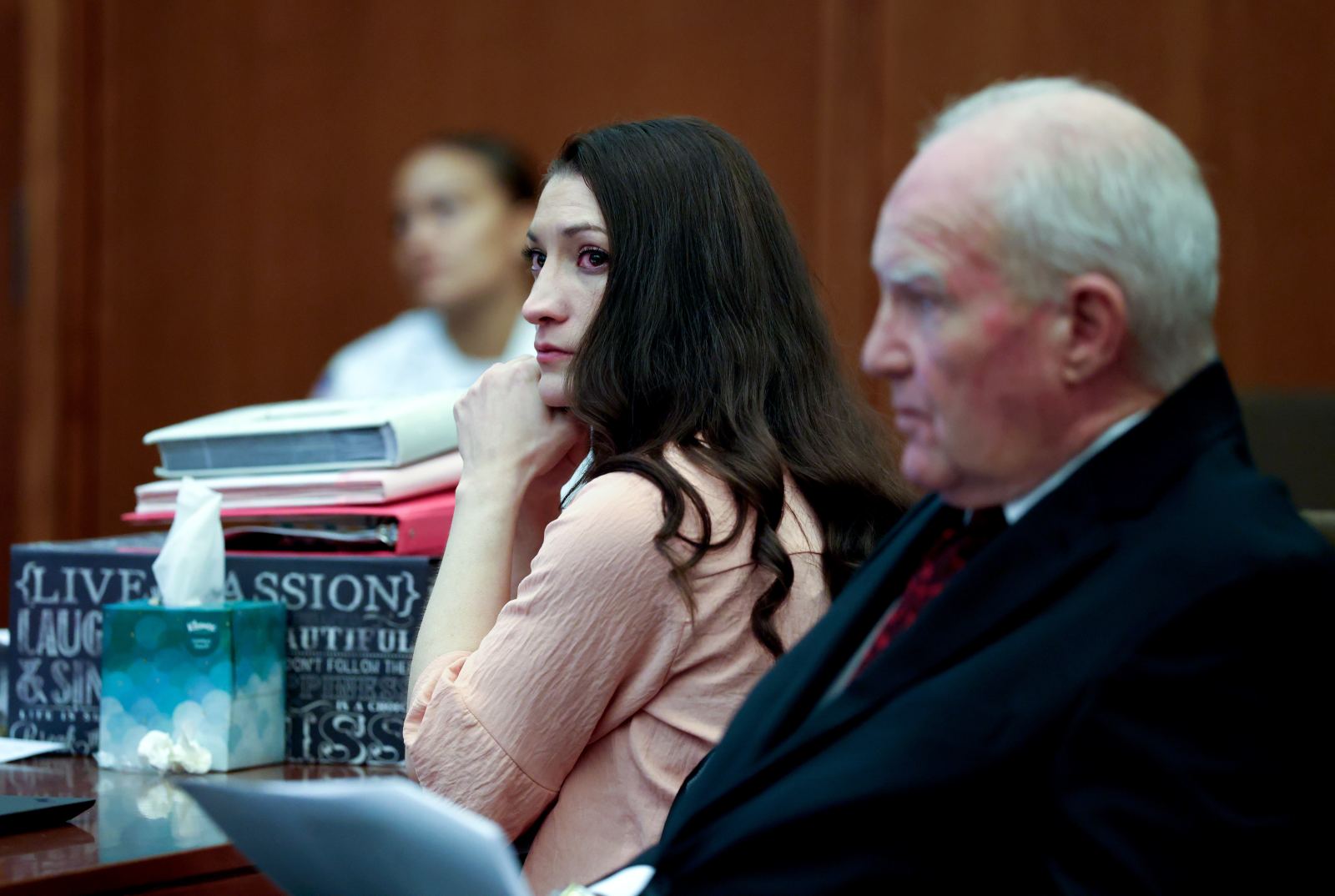
Clashing Expert Testimonies
Tuesday’s hearing in the Lindsay Clancy murder trial featured dramatic testimonies from experts who provided conflicting views on forensic evidence and Clancy’s mental health state before the deaths of her children. New revelations emerged about Clancy’s attempts to seek help, deepening the defense’s case.
Details of Auditory Hallucinations
Clinical psychologist Dr. Paul Zeizel gave impactful testimony, detailing the auditory hallucinations Clancy reported, including a male voice commanding her to harm her children and herself. Clancy’s belief that these thoughts were audible to others, like teachers, was highlighted.
Zeizel described Clancy’s experiences with dissociation, depersonalization, and intermittent mood fluctuations, stressing her honesty with no signs of feigning symptoms.
Human Compassion at Hospital
Zeizel revealed he let Clancy use his phone to call her husband, Patrick, while she was restrained in a hospital bed. This call showed Clancy’s confusion and fear. Prosecutors suggested Clancy was encouraged to invent hallucinations, but Zeizel refuted this claim.
He met with Clancy numerous times, ensuring she was competent for trial proceedings.
Forensic Pathologist’s Findings
Forensic pathologist Elizabeth Laposata asserted Clancy’s head-first fall from a window led to serious spinal injuries. Despite the described severe impact, prosecutors noted the absence of external head injuries and brain trauma, presenting it as a contradiction.
The exchange was heated, requiring the judge’s intervention.
Laposata attributed Clancy’s hypothermia to spinal injuries, wet clothing, and prolonged exposure.
Seeking Help Amid Crisis
Testimonies pointed to Clancy’s repeated, failed attempts to access mental health care. Turned away from suicide hotlines and rejected from postpartum programs, she was perceived as overmedicated, with symptoms thought to be medication-related.
Witnesses detailed her struggles with insomnia, fears about addiction, and a desperate pursuit of treatment through various providers.
Additional Insights
While not as pronounced, other moments provided further context:
- Prosecutor Sprague demonstrated exercise band usage, challenging conclusions about ligature evidence.
- Zeizel explained Clancy’s adverse reactions to Zoloft and Seroquel, worsening her anxiety and insomnia.
- Susan Clancy described Lindsay’s plea for help amidst insomnia and anxiety.
Future Proceedings
The trial continues Wednesday with more expert analysis expected. Jurors face the decision of Clancy’s legal responsibility versus her potential postpartum psychosis.
If you or someone you know struggles with mental health issues, seek support through available resources like the 988 hotline or 988lifeline.org.
Leave a Reply