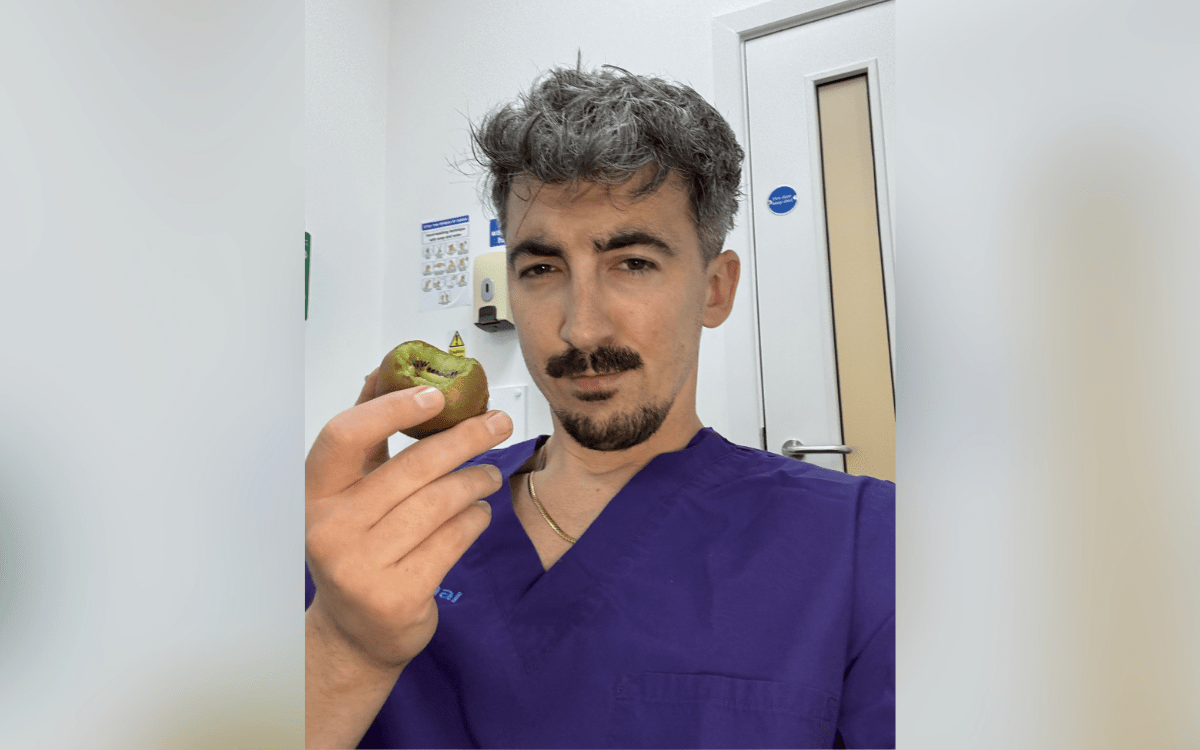
A gastrointestinal physiologist from the Functional Gut Clinic in the UK, Jordan Haworth, shares insights on foods to avoid for maintaining a healthy gut. With almost a decade of experience, he focuses on identifying the root causes of digestive issues.
Haworth initially underestimated the importance of gut health. He now acknowledges its role in influencing mood, metabolism, skin, and immunity. Interest in this topic has grown, but many remain unaware. A 2024 survey by Danone North America found that 41% of Americans had never heard of the gut microbiome, and 50% did not know its impact on gut health.
The Gut Microbiome
The gut microbiome comprises trillions of bacteria and microbes in the digestive system. These organisms aid food digestion, produce useful compounds, support immunity, and protect against harmful pathogens.
Key Elements of Gut Health
According to Haworth, the concept of gut health is often overcomplicated by commercial interests. He stresses that maintaining gut health does not require costly probiotic pills or supplements. Instead, he advocates maintaining the ‘three Fs’ of gut health:
- Fiber: Include beans, oats, apples, pears, whole grains, chia seeds, and psyllium in your diet.
- Phenols (polyphenols): Consume colorful and bitter foods like blueberries, red cabbage, coffee, dark chocolate, and olive oil.
- Fermented foods: Add items such as yogurt, kefir, kimchi, and sauerkraut to your diet.
He also highlights the importance of adequate sleep, stress management, and at least 150 minutes of exercise each week.
Importance of Avoiding Food Poisoning
Haworth emphasizes the dangers of food poisoning to gut health. Infections can have lasting effects, leading to conditions like post-infectious IBS. Research indicates that about one in five people may develop this condition after a Campylobacter infection.
“Food poisoning is the single biggest wrecker of gut health,” Haworth said. “The bugs that cause foodborne illness can have long-lasting effects on the gut.”
Preventing food poisoning involves proper food storage and cooking. However, many cases occur outside the home, and he suggests avoiding common sources like buffets and kebabs.
Foods to Avoid
1. Raw Oysters
Haworth avoids raw oysters, which can carry bacteria and pathogens from the water where they reside. He only considers consuming them if they have been cooked or treated with UV depuration.
2. Rare Beef Burgers
Rare beef burgers may pose risks since minced beef can spread bacteria throughout the patties. He advises that undercooked burgers should be avoided.
3. Sushi
Sushi-grade fish may still have bacterial risks even if parasites are eliminated through deep freezing. It’s important to consume sushi soon after preparation to reduce risk.
4. Sprouts
Despite their health reputation, sprouted foods have high food safety risks. Bacteria thrive in the warm, wet conditions required for sprout growth, and they are usually consumed raw.
5. Pre-Packaged Salad Bags
Pre-packaged salads may surprise some as a risk. These products are often linked to foodborne outbreaks because of various contamination opportunities during processing. Haworth advises purchasing individual ingredients and washing them thoroughly instead.
Haworth suggests being mindful of these food choices for better gut health outcomes.
Leave a Reply